
Water quality has a direct impact on many industrial processes. Manufacturing units, pharmaceutical companies, food-processing facilities, laboratories, hotels, power plants, and other commercial establishments may need purified water for production, cleaning, processing, boilers, cooling systems, or other applications.
However, the water available at the site may contain dissolved salts, hardness, suspended particles, microorganisms, and other impurities. Using untreated or poorly treated water can affect equipment, product quality, and overall operating efficiency.
An Industrial RO Plant can help address these challenges. Reverse Osmosis (RO) is a membrane-based purification process that removes many dissolved impurities from water by using pressure to push water through a semi-permeable membrane.
But choosing an RO plant is not simply about purchasing a membrane system with a particular capacity. The plant must be designed around the source-water quality, required output quality, recovery target, operating conditions, and intended application.
This is why selecting an industrial RO plant manufacturer in Gurgaon with Expert Technical Support is an important decision for businesses.
For beginners, the technology can initially seem complicated. Terms such as TDS, recovery, membrane fouling, pretreatment, permeate, reject, and CIP may be unfamiliar. This guide explains the basics in simple language and covers the important points to consider before selecting an industrial RO system.
What Is an Industrial RO Plant?
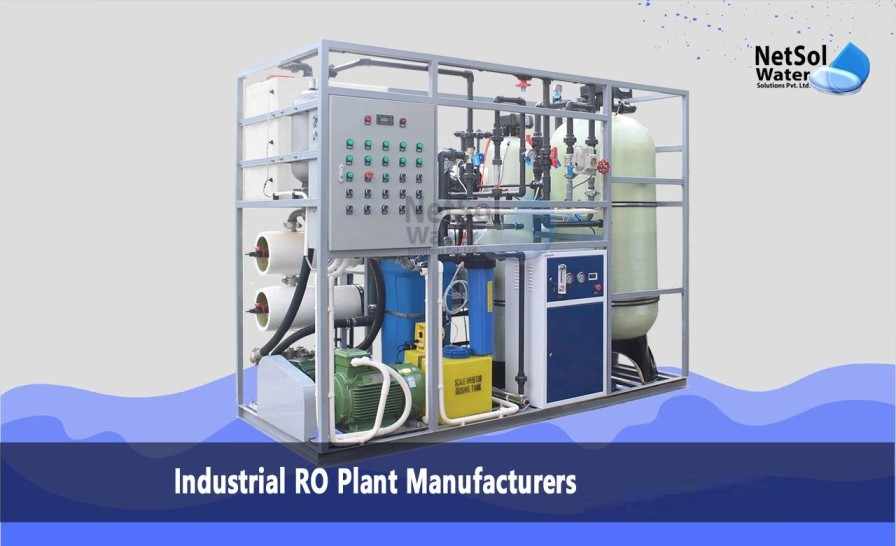
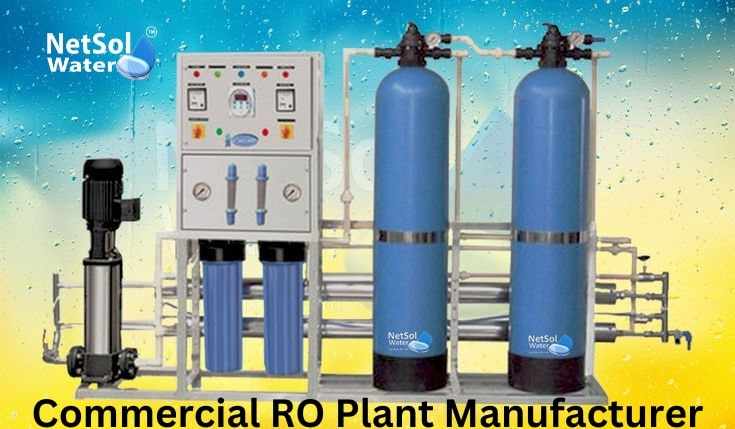
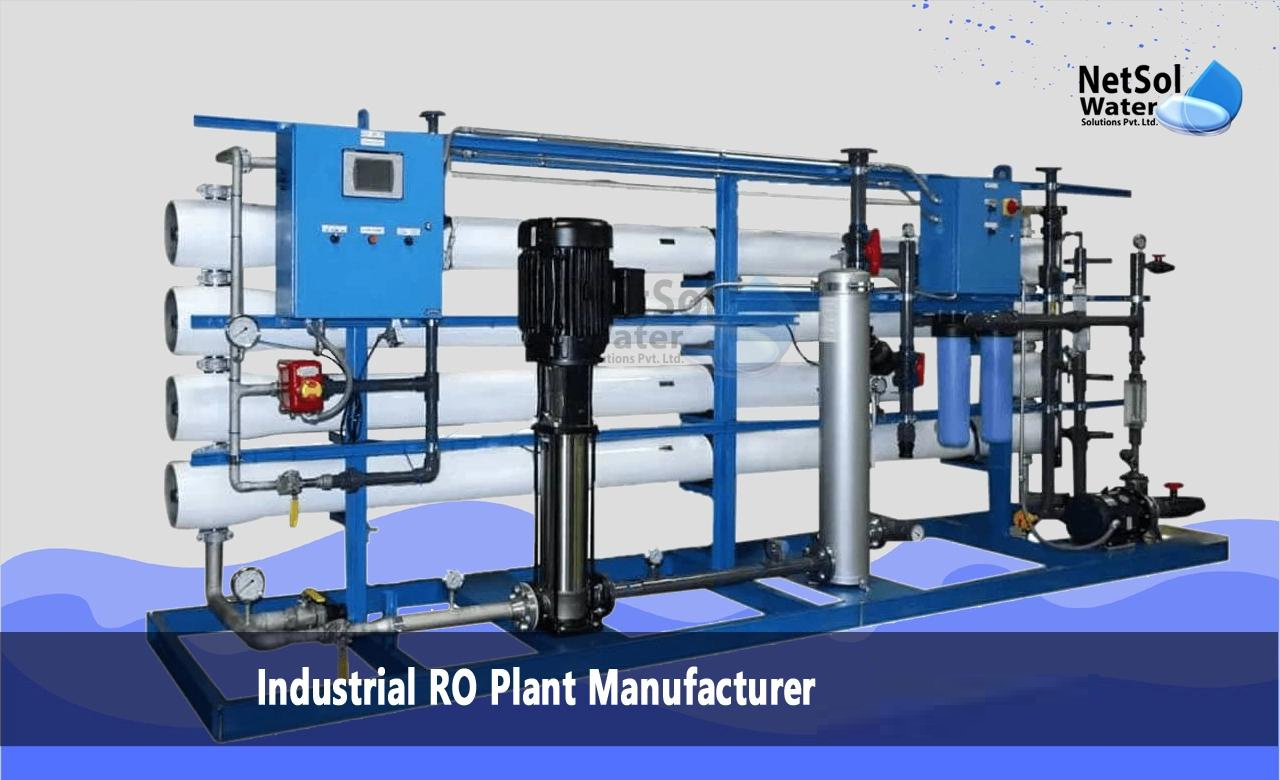
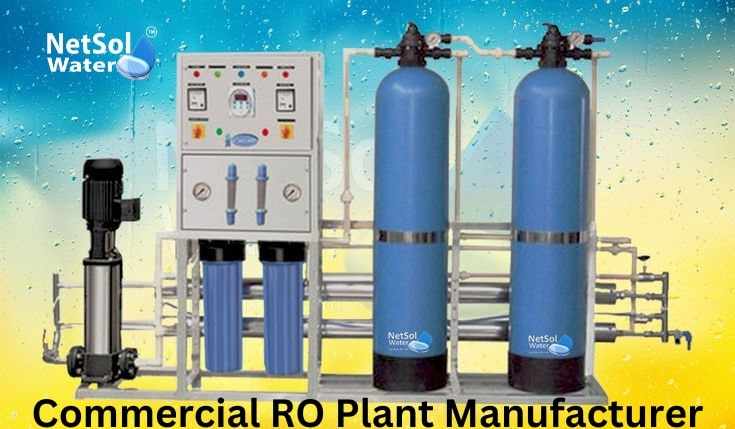
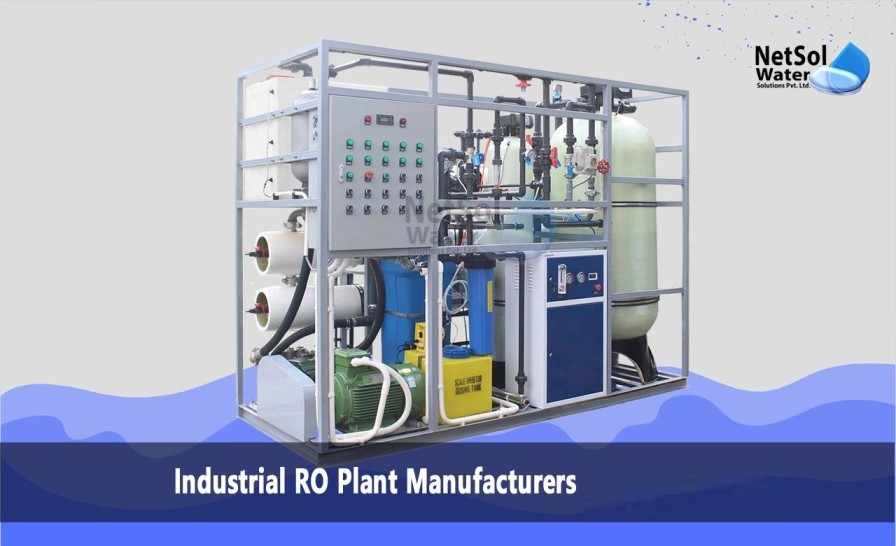
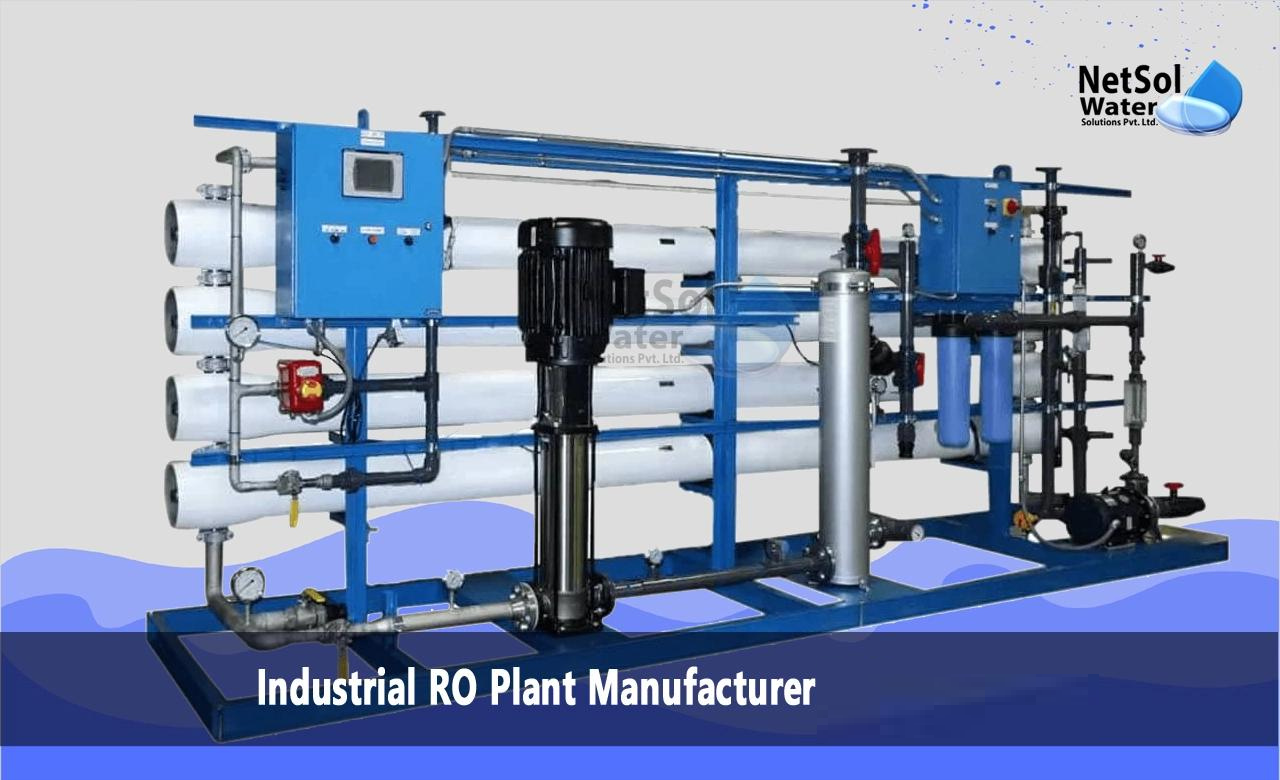
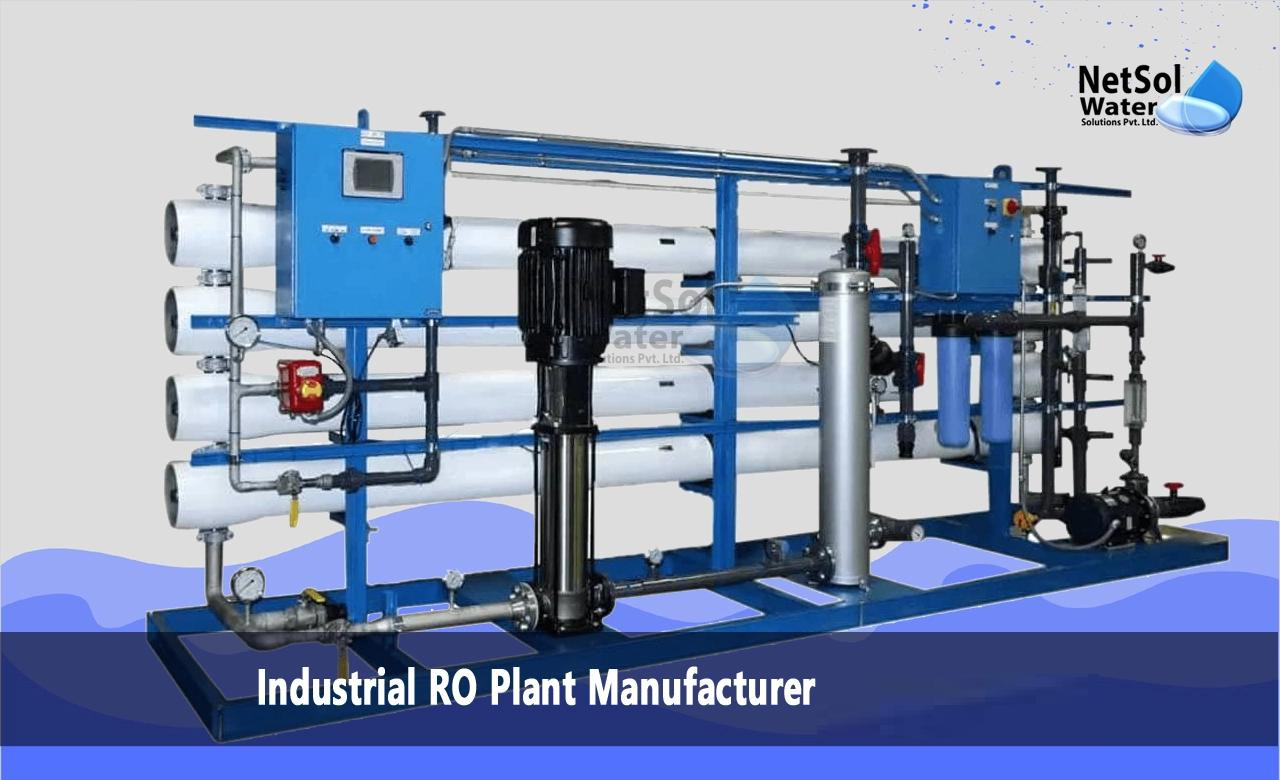
An Industrial RO Plant is a water purification system designed to produce treated water for industrial or large-scale applications.
The core technology is Reverse Osmosis.
In simple terms, an RO membrane has extremely small pores. When pressure is applied to feed water, water molecules pass through the membrane while many dissolved salts and other impurities are retained and concentrated in the reject stream.
The two main water streams are:
Permeate: The purified water that passes through the membrane.
Reject/Concentrate: The stream containing a higher concentration of retained impurities.
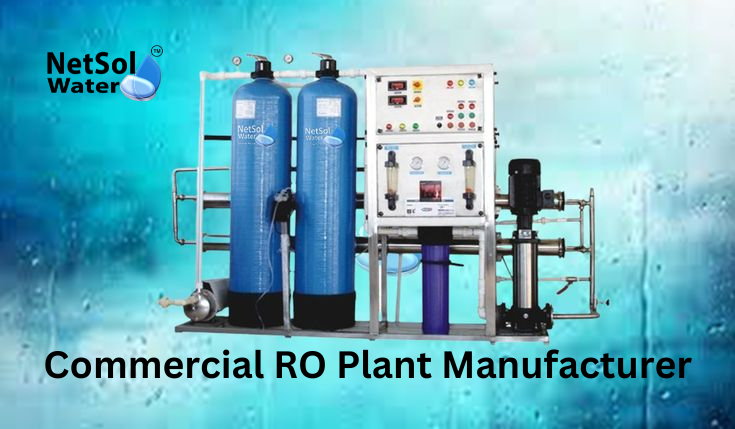
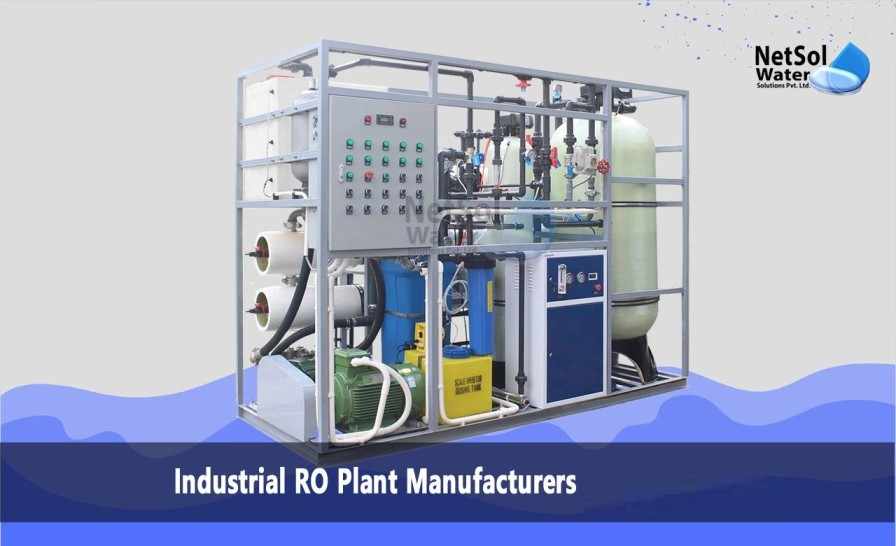
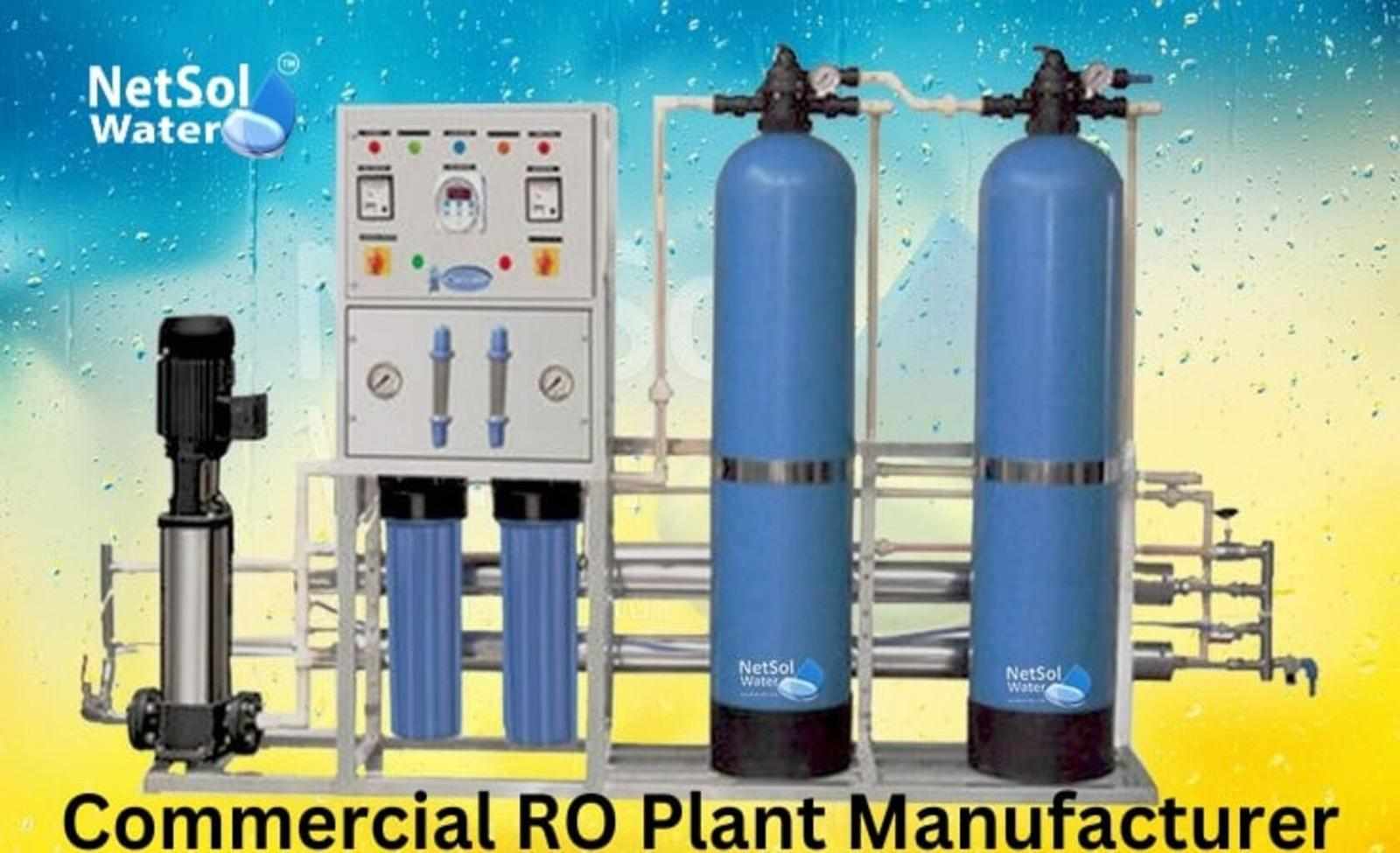
A typical industrial RO system can include:
Raw Water → Pretreatment → Cartridge Filtration → High-Pressure Pump → RO Membranes → Permeate → Storage/Final Treatment
The actual configuration depends on the feed-water quality and the required treated-water quality.
Why Do Industries Need RO Plants?
Water quality requirements vary from one industry to another.
Some industrial applications require water with lower dissolved solids or reduced hardness. Others may need additional purification because the water is used directly in sensitive processes.
An RO system can help reduce many dissolved impurities, including:
Dissolved salts
Hardness-causing ions
Chloride
Sulphate
Certain metals
Fluoride
Other dissolved contaminants
The exact removal performance depends on the membrane, feed-water composition, operating conditions, and system design.
RO can therefore be useful for producing consistent-quality water for suitable industrial applications.
Why Expert Technical Support Matters
Buying an RO plant is only the first step.
An industrial RO system needs regular monitoring and maintenance. Membranes can foul or scale. Pumps can experience wear. Filters require servicing. Operating conditions can change.
Without proper technical support, small problems can become expensive problems.
For example, increasing feed-water pressure may seem like an easy way to increase production. However, operating conditions must remain within the equipment and membrane manufacturer's recommended limits.
Expert technical support can help with:
System commissioning
Operating guidance
Membrane monitoring
Troubleshooting
Chemical dosing
Preventive maintenance
Membrane cleaning
Replacement planning
Performance optimization
A well-designed RO plant performs best when good engineering is combined with good operation.
Start With Raw Water Testing
Before designing an industrial RO plant, raw-water analysis is essential.
The source water could come from:
Borewell
Municipal supply
Surface water
Process water
Treated wastewater
Other sources
Each source can have different characteristics.
Depending on the application, testing may include:
TDS
pH
Turbidity
Hardness
Alkalinity
Chloride
Sulphate
Iron
Manganese
Silica
Fluoride
Microbiological parameters
Other relevant contaminants
Testing helps the manufacturer understand what the RO system will have to handle.
A good RO design begins with water analysis, not with a standard machine catalogue.
Understanding TDS
TDS stands for Total Dissolved Solids.
It represents the total concentration of dissolved substances in water.
High TDS can be associated with dissolved salts and minerals.
RO membranes are particularly useful when the goal is to reduce dissolved solids.
However, TDS is only one part of water chemistry.
Two water sources can have similar TDS values but different compositions. One may contain higher hardness, while another may have more silica or specific ions.
Therefore, designing an RO system using TDS alone is not sufficient.
How Does an Industrial RO Plant Work?
The RO process can be explained through several stages.
1. Raw Water Collection
Raw water is collected and transferred toward the treatment system.
2. Pretreatment
Suspended particles, hardness-related risks, chlorine, and other membrane-threatening contaminants may need to be controlled.
3. Cartridge Filtration
Fine particles are removed before the water reaches the RO membranes.
4. High-Pressure Pump
The pump provides the pressure required for the RO membrane process.
5. RO Membranes
Water passes through the semi-permeable membrane.
6. Permeate Collection
Purified water is collected for the intended application.
7. Reject Management
The concentrated reject stream is collected and managed appropriately.
The exact arrangement varies according to feed-water characteristics and plant requirements.
What Is RO Pretreatment?
Pretreatment is one of the most important parts of an RO plant.
RO membranes are sensitive to certain contaminants.
If pretreatment is inadequate, membranes can experience:
Scaling
Fouling
Biofouling
Oxidative damage
Reduced flow
Higher pressure requirements
Shorter service life
A suitable pretreatment system can help protect the membranes.
Common Pretreatment Equipment
Depending on raw-water quality, an industrial RO system may use:
Raw-water filtration
Pressure sand filter
Activated carbon filter
Water softener
Antiscalant dosing
Iron removal system
Micron cartridge filter
Ultrafiltration
Other specialized pretreatment
Not every RO plant needs all of these.
The correct pretreatment should be selected based on the raw-water analysis.
1. Pressure Sand Filter
A pressure sand filter helps remove suspended particles and turbidity from incoming water.
It typically contains graded filtration media.
The water passes through the media, allowing suspended material to be retained.
Regular backwashing is necessary to remove accumulated solids and maintain filter performance.
2. Activated Carbon Filter
An activated carbon filter can help reduce certain organic compounds, odour, colour, and chlorine.
Chlorine control is particularly important for many common polyamide RO membranes because excessive exposure to oxidizing agents can damage them.
The actual need for carbon filtration depends on the feed-water characteristics and the selected membrane system.
3. Water Softener
A water softener can be used to reduce hardness-causing ions.
Hardness can contribute to scale formation on RO membranes.
However, a softener is not automatically required in every system.
Its suitability depends on the water chemistry and overall pretreatment strategy.
4. Antiscalant Dosing
Antiscalant chemicals can help control the formation of certain mineral scales on RO membranes.
Correct dosage depends on the feed-water chemistry, membrane system, recovery, and selected chemical.
Overdosing does not automatically improve performance.
Proper dosing control is therefore important.
5. Cartridge Filtration
Cartridge filters provide fine filtration before water enters the RO membranes.
They help capture smaller particles that may remain after earlier pretreatment stages.
This provides an additional protective barrier for the membranes.
What Is RO Recovery?
RO recovery refers to the percentage of feed water converted into permeate.
For example, if 1,000 litres of feed water enters an RO system and 700 litres become permeate, the recovery is:
700 ÷ 1,000 × 100 = 70%
The remaining water becomes reject.
However, recovery should not simply be maximized without considering water chemistry.
Higher recovery can increase the concentration of dissolved substances in the reject side and may increase scaling risk.
Therefore, recovery should be selected based on the membrane system and feed-water analysis.
What Is RO Reject Water?
RO reject, also called concentrate, contains a higher concentration of many impurities retained by the membrane.
This water should be managed carefully.
Possible management strategies depend on local conditions and project requirements and may include:
Suitable industrial reuse
Controlled disposal
Further treatment
Evaporation-based systems where appropriate
Other approved management methods
Reject-water handling should be considered during the initial plant design rather than after installation.
RO Plant Capacity
Industrial RO capacity is commonly expressed in:
LPH — litres per hour
MLD — million litres per day
KLD — kilolitres per day
For example:
1 KLD = 1,000 litres per day
Capacity should be selected based on the actual water requirement rather than simply choosing the largest available plant.
Important factors include:
Daily water demand
Peak demand
Operating hours
Storage capacity
Production requirements
Future expansion
How to Select the Right RO Capacity
Suppose an industrial facility needs 80,000 litres of RO water per day.
If the RO plant operates for 10 hours daily, the approximate permeate production requirement would be:
80,000 ÷ 10 = 8,000 litres per hour
Therefore, an RO system with an appropriate permeate capacity around this requirement may be considered, subject to engineering evaluation.
The actual plant selection should also account for:
Recovery
Feed-water quality
Operating schedule
Maintenance downtime
Peak demand
Future growth
Customized RO Plant Design
A customized RO plant can be designed around the specific needs of the facility.
This can help address:
Raw-water quality
Required permeate quality
Available space
Daily water demand
Operating hours
Recovery requirements
Automation needs
Water storage
Reject management
A compact system may be suitable for a facility with limited space, while a larger industrial facility may require multiple RO trains for operational flexibility.
Applications of Industrial RO Plants
Industrial RO systems are used across many sectors.
1. Pharmaceutical Industry
RO water can be used as part of a larger water-treatment system for suitable pharmaceutical applications.
Additional purification may be required depending on the final water-quality specification.
2. Food and Beverage Industry
RO-treated water can be used in appropriate production and utility applications where controlled water quality is required.
3. Textile Industry
RO can help produce lower-TDS water for selected textile processes and water-reuse systems.
4. Hotels and Commercial Facilities
Large facilities may use RO plants to provide treated water for suitable applications.
5. Power and Boiler Applications
RO can form part of a broader water-treatment train used for boiler-feed preparation.
Additional processes may be required to achieve the required quality.
6. Electronics and Manufacturing
Industries with sensitive processes may use RO as one stage of a multi-step purification system.
RO for Water Recycling
Industrial RO systems can also be part of a water-recycling strategy.
For example, treated wastewater can undergo additional filtration and RO treatment before being reused for suitable applications.
A broader recycling system may look like:
Wastewater → ETP → Filtration → UF/RO → Treated Water Storage → Reuse
The exact treatment arrangement depends on the quality of the incoming treated wastewater and the required reuse standard.
Water recycling can reduce freshwater demand and help industries use available water resources more efficiently.
Importance of Membrane Selection
RO membranes are not all identical.
Membranes can differ in:
Salt-rejection characteristics
Flow rate
Pressure requirements
Fouling resistance
Chemical tolerance
Application suitability
The manufacturer should select membranes according to:
Feed-water chemistry
Desired permeate quality
Recovery
Temperature
Pressure
Flow requirements
Choosing membranes solely based on price can create problems later.
Membrane Fouling and Scaling
Two common RO problems are fouling and scaling.
1. Fouling
Fouling occurs when contaminants accumulate on the membrane surface.
Possible contributors include:
Suspended particles
Organic matter
Microorganisms
Colloidal material
2. Scaling
Scaling occurs when dissolved minerals precipitate and form deposits on the membrane.
Potential scale-forming substances include certain calcium, magnesium, sulphate, silica, and other compounds.
Proper pretreatment and operating control help reduce these risks.
What Is CIP?
CIP stands for Clean-In-Place.
It is a procedure used to clean RO membranes without removing them from their housings.
A CIP process may involve:
Preparing an appropriate cleaning solution
Circulating it through the membrane system
Allowing suitable contact time
Flushing the system
Returning the plant to service
The cleaning chemical and procedure depend on the type of fouling.
Membranes should not be cleaned randomly.
Following the membrane manufacturer's cleaning recommendations is important.
Signs That an RO Membrane Needs Attention
Operators may notice:
Reduced permeate flow
Increased operating pressure
Increased salt passage
Changes in permeate quality
Increased differential pressure
These changes should be monitored against baseline operating data.
A sudden change can indicate fouling, scaling, pretreatment failure, temperature changes, or other issues.
Technical support can help determine the likely cause.
Automation and Monitoring
Industrial RO plants can incorporate different levels of automation.
Depending on the application, the system may monitor:
Feed pressure
RO pressure
Permeate flow
Reject flow
Conductivity
TDS
Tank levels
Pump status
Pressure differences
Automated controls can improve monitoring and provide alarms when operating conditions move outside the desired range.
However, automation should remain practical.
The system should be understandable to operators and supported by appropriate training.
Why Technical Support Should Continue After Installation
An industrial RO plant may operate for many years.
During this time, the source-water quality may change. Production requirements may increase. Membranes may need replacement. Pumps may require maintenance.
A manufacturer offering technical support can assist with:
Commissioning
Operator training
Troubleshooting
Membrane cleaning
Performance monitoring
Preventive maintenance
Spare parts
Membrane replacement
System optimization
This long-term support can help reduce avoidable downtime.
Preventive Maintenance for Industrial RO Plants
Preventive maintenance is generally better than waiting for a major failure.
1. Daily Checks
Operators can monitor:
Feed pressure
Permeate flow
Reject flow
Conductivity
TDS
Tank levels
Pump operation
2. Regular Checks
Review:
Cartridge filters
Pretreatment performance
Chemical dosing
Membrane pressure
Electrical connections
Valves and piping
3. Periodic Maintenance
Depending on the system, this may include:
Filter-media servicing
Cartridge replacement
Membrane cleaning
Pump maintenance
Instrument calibration
Membrane replacement when required
The exact schedule should follow equipment and membrane manufacturer recommendations.
Common Industrial RO Problems
1. Low Permeate Flow
Possible causes include:
Membrane fouling
Scaling
Low feed pressure
Temperature changes
Pretreatment issues
2. High TDS in Permeate
Potential causes can include:
Membrane deterioration
Incorrect operating conditions
Membrane damage
Seal problems
Feed-water changes
3. High Pressure
Possible causes include:
Membrane fouling
Scaling
Blocked filters
Flow restrictions
4. Frequent Cartridge Replacement
This can indicate high suspended solids or inadequate pretreatment.
The correct solution depends on diagnosing the actual cause.
How to Choose an Industrial RO Plant Manufacturer in Gurgaon
When comparing an Industrial RO Plant Manufacturer in Gurgaon, consider more than the quoted price.
1. Water Analysis
Does the manufacturer review your raw-water report?
2. Design Engineering
Can the company explain why particular pretreatment and membrane configurations have been selected?
3. Capacity Calculation
Is the plant sized according to actual water demand and operating hours?
4. Equipment Specifications
Check the specifications of:
Pumps
Membranes
Pressure vessels
Filters
Dosing systems
Electrical panels
Instruments
5. Installation
Understand whether installation is included.
6. Commissioning
Ask whether the manufacturer will help start and test the system.
7. Operator Training
Training is especially important for first-time RO users.
8. After-Sales Support
Find out how technical problems will be handled after installation.
9. Spare Parts
Check the availability of important replacement components.
10. Future Expansion
If water demand is expected to increase, discuss expansion options during the initial design.
Questions to Ask Before Buying an Industrial RO Plant
Before finalizing your manufacturer, ask:
What is the source of feed water?
Has the raw water been tested?
What is the feed-water TDS?
What is the hardness level?
What other contaminants are present?
What permeate quality is required?
What recovery is proposed?
How will RO reject be managed?
What pretreatment is required?
Which membrane model is being proposed?
What is the expected membrane life under the proposed conditions?
What is the expected power consumption?
What chemicals will be required?
How frequently will filters need replacement?
What is the recommended CIP procedure?
What level of automation is included?
Is installation included?
Is commissioning included?
Will operators receive training?
What technical support is available after commissioning?
These questions can help you evaluate different proposals more objectively.
Industrial RO Plant Cost in Gurgaon
There is no universal price for an industrial RO plant.
The cost depends on several factors, such as:
Plant capacity
Feed-water quality
Pretreatment requirements
Membrane selection
Recovery target
Automation
Pump specifications
Instrumentation
Storage requirements
Reject-management system
Installation
Piping
Electrical work
A small RO plant with relatively simple feed water can have a very different cost from a large system requiring extensive pretreatment.
Therefore, a customized technical quotation is more useful than relying on a generic price.
Why the Cheapest RO Plant Is Not Always the Best Option
An RO plant's initial purchase price is only one part of its cost.
Long-term operating expenses may include:
Electricity
Chemicals
Cartridge filters
Membrane cleaning
Membrane replacement
Labour
Preventive maintenance
Spare parts
Reject management
A cheaper plant can become expensive if its pretreatment is inadequate or its components require frequent replacement.
It is better to evaluate total cost of ownership.
Consider:
Initial Investment + Energy + Chemicals + Maintenance + Consumables + Membrane Replacement
This provides a more realistic view of long-term value.
RO Plant vs Water Softener
Beginners sometimes assume that an RO plant and a water softener perform the same function.
They do not.
A water softener primarily reduces hardness-causing ions through ion exchange.
An RO plant uses a membrane process to reduce many dissolved salts and other impurities.
Depending on the raw-water quality, a softener may be used as part of RO pretreatment.
The two technologies can therefore complement each other rather than being direct replacements.
RO Plant vs UV System
RO and UV also perform different functions.
RO is primarily used for reducing dissolved substances.
UV uses ultraviolet light to inactivate microorganisms.
A water-treatment system may use both technologies when the application requires their respective functions.
The correct combination depends on the water source and final quality requirements.
Why Professional Installation Matters
Even high-quality equipment can perform poorly if installed incorrectly.
Professional installation should consider:
Correct piping
Pump alignment
Electrical connections
Membrane installation
Pressure-vessel connections
Instrumentation
Chemical-dosing lines
Drainage
Reject-water routing
Proper commissioning confirms that the system operates as intended before regular production begins.
Final Thoughts
Selecting an Industrial RO Plant Manufacturer in Gurgaon with Expert Technical Support is a long-term business decision.
A suitable RO plant begins with understanding the raw water. Once the water quality is known, the manufacturer can determine appropriate pretreatment, membrane configuration, capacity, recovery, automation, and reject-management requirements.
The project should consider:
Feed-water quality
Required permeate quality
Daily water demand
Peak demand
Plant capacity
Recovery
Pretreatment
Membrane selection
Energy consumption
Chemical usage
Reject management
Maintenance
Future expansion
Technical support is equally important.
An industrial RO system needs regular monitoring, preventive maintenance, membrane care, and timely troubleshooting. A manufacturer that provides reliable technical assistance can help operators keep the plant working efficiently and address problems before they become major disruptions.

Write a comment ...