
Water is one of the most important resources in the food processing industry. It is used for washing raw materials, preparing food products, cleaning equipment and maintaining hygiene across the production area. However, the quality of this water matters just as much as its availability.
Poor-quality water can affect production processes and may also create problems with equipment, product quality and hygiene. For this reason, many food processing businesses look for reliable water purification systems that can deliver consistent water quality. A commercial RO plant manufacturer in Noida can help such businesses select and install an RO system according to their actual water requirements.
Reverse osmosis has become a popular purification method because it can reduce dissolved salts and many other impurities from feed water. However, an RO plant is not simply a membrane and a high-pressure pump. The system needs proper pretreatment, suitable membrane selection, adequate pressure and regular maintenance.
For food processing industries, these factors become even more important. The quality of process water can directly influence production operations. Therefore, businesses should select an RO plant based on water quality, production demand and the intended application.
Why Water Quality Matters in Food Processing
Food processing facilities use water in several ways. Some water comes in direct or indirect contact with food products. Other water is used for cleaning, equipment operation and utility purposes.
If the incoming water contains excessive hardness, dissolved salts, iron, suspended particles or other contaminants, it can create operational difficulties.
For example, hard water can contribute to scaling in equipment and pipelines. High TDS can make water unsuitable for certain processes. Suspended particles can affect filters and increase the load on downstream equipment.
Furthermore, inconsistent water quality can make it difficult for a food processing plant to maintain stable operations.
That is why many businesses install a commercial RO plant as part of their overall water treatment system.
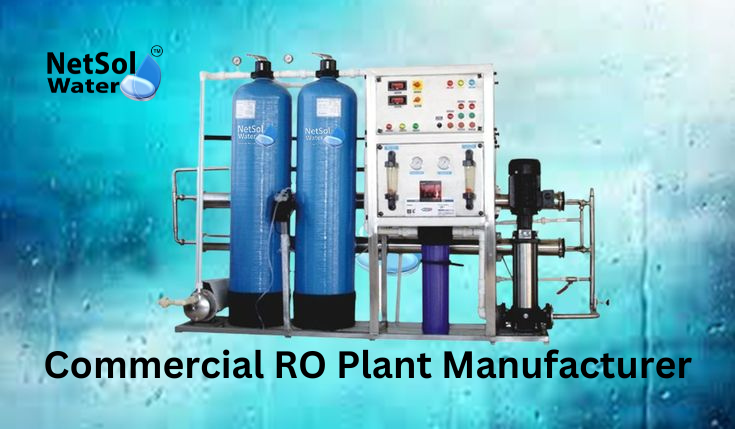
The exact RO configuration should depend on the source water and the quality required for the intended use. Netsol Water's commercial RO information describes customized systems for different water purification requirements and lists commercial capacities ranging from smaller LPH systems to larger installations.
What Is a Commercial RO Plant?
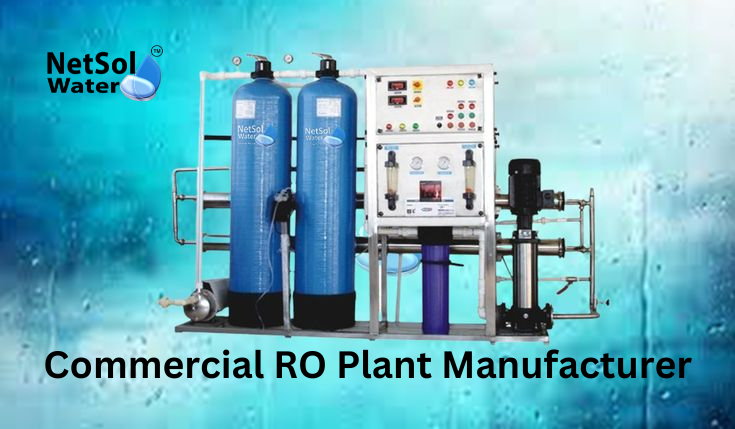
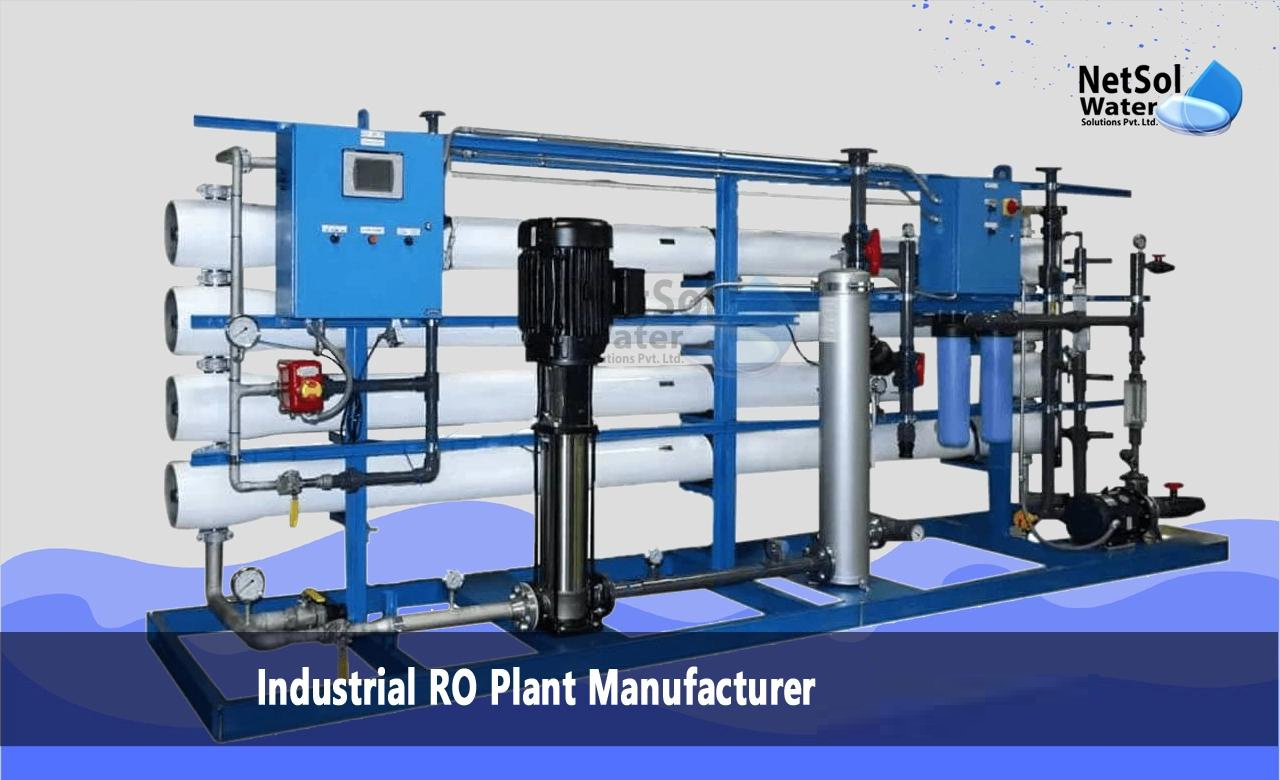
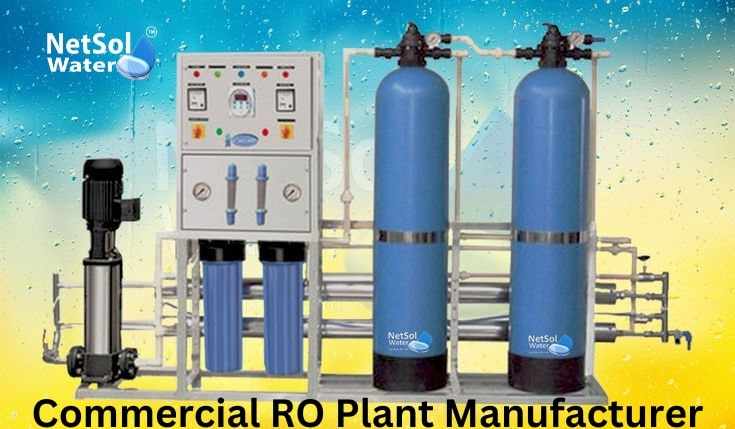
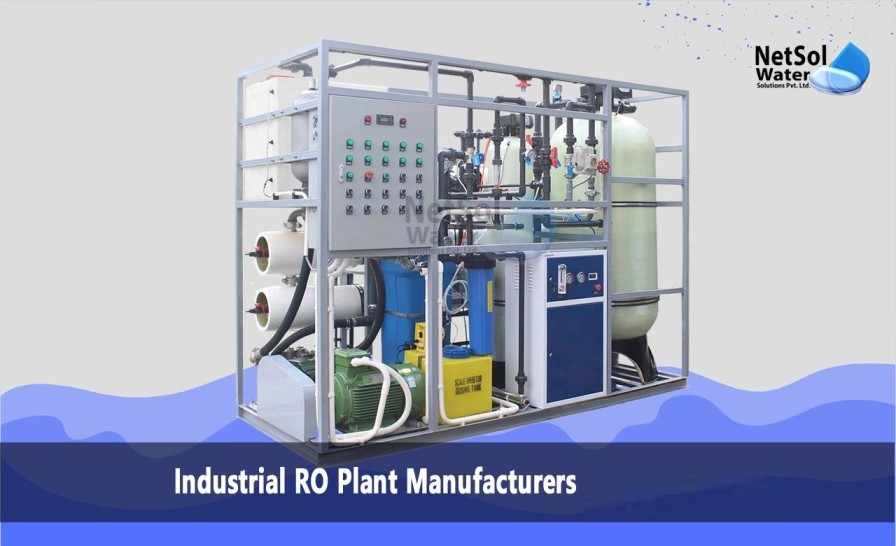
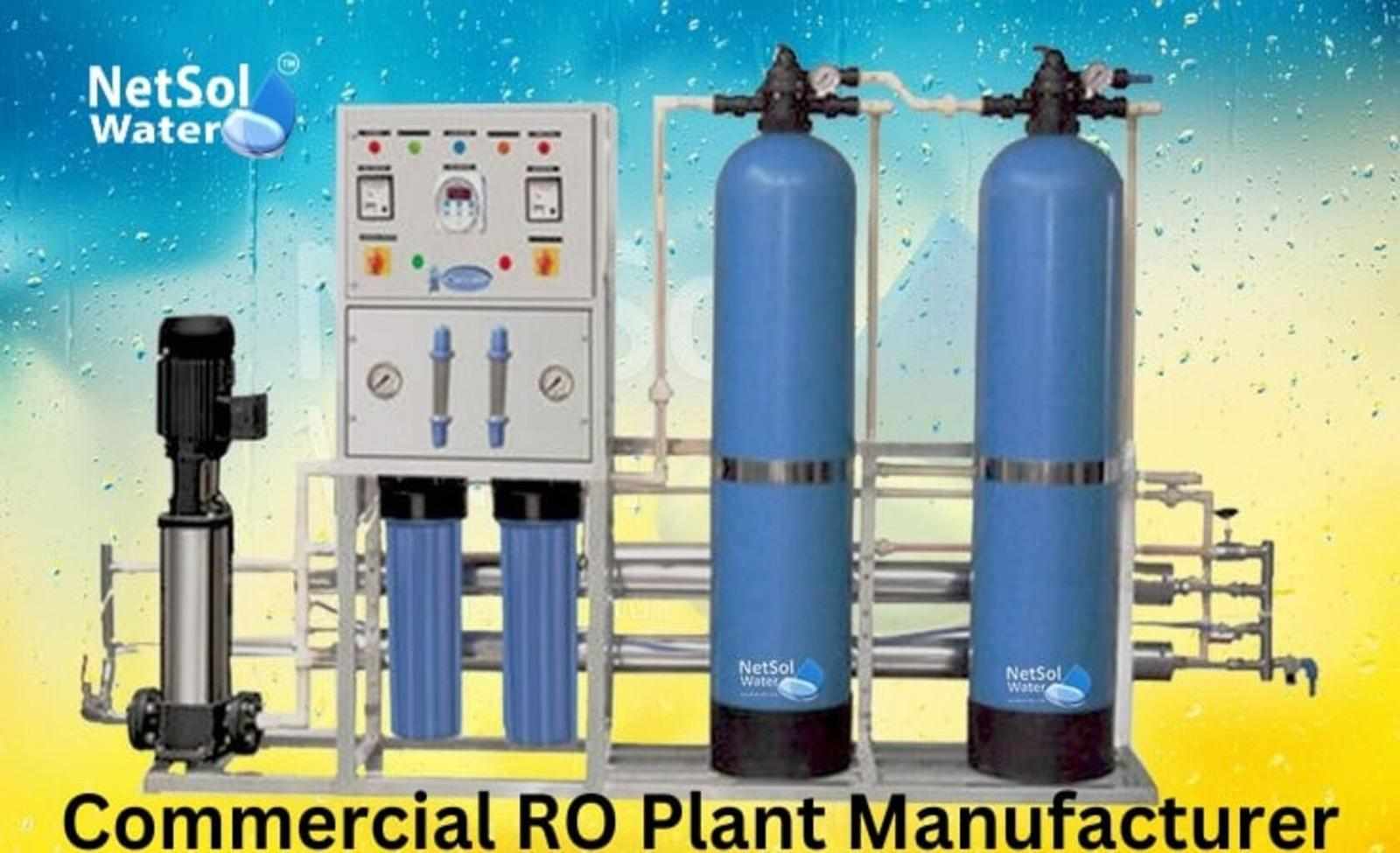
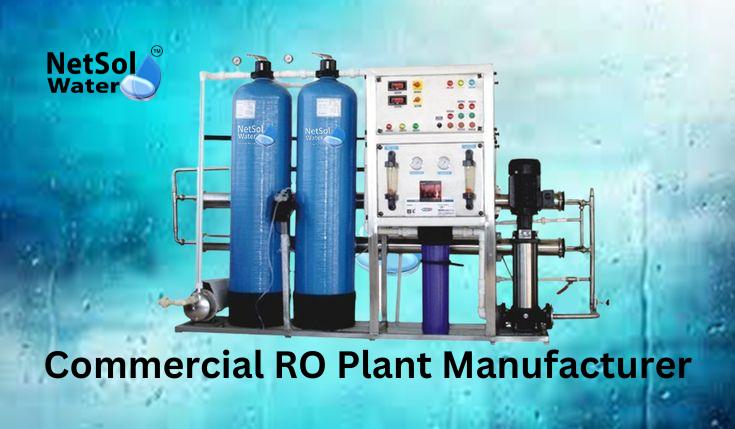
A commercial RO plant is a water purification system that uses reverse osmosis membranes to reduce dissolved salts and other contaminants from water.
In simple terms, the system pushes water through a semipermeable membrane under pressure. The membrane allows water molecules to pass while rejecting a significant portion of dissolved substances.
The process creates two streams:
Permeate: The treated water that passes through the membrane
Reject: The concentrated stream containing a higher level of rejected contaminants
The final water quality depends on several factors. These include feed-water quality, membrane type, operating pressure, temperature, recovery rate and pretreatment.
Therefore, selecting the correct plant design is essential.
A commercial RO plant can be used for several applications in food-related facilities. Depending on the required quality, treated water may support food processing, cleaning, boiler feed, utility operations or other suitable purposes.
Why Food Processing Industries Need Commercial RO Plants
Food processing businesses cannot always depend on raw water quality remaining consistent.
Groundwater, municipal water and other sources can contain different levels of dissolved salts and contaminants. Even when the water appears clear, it may contain dissolved substances that are not visible to the naked eye.
An RO plant provides a controlled purification step.
1. Better Control Over Water Quality
An RO system can help reduce TDS and many dissolved contaminants. This allows the facility to maintain more consistent water quality for suitable applications.
2. Protection of Equipment
Scaling can cause problems in boilers, heat exchangers, pipelines and other equipment.
When feed water contains excessive hardness and dissolved salts, pretreatment and RO can help reduce the load on downstream systems.
3. Support for Food Processing Operations
Some production processes require water with specific quality characteristics. An RO system can help the business produce water closer to those requirements.
4. Better Cleaning Water
Water quality also matters during equipment and surface cleaning. Depending on the cleaning process, purified water can help reduce mineral deposits and improve consistency.
5. Reduced Dependence on Variable Feed Water
Instead of sending untreated source water directly into important processes, businesses can introduce a controlled purification stage.
Common Water Sources for Food Processing Plants
Before installing an RO plant, the manufacturer should identify the source of the feed water.
Common sources include:
Borewell water
Municipal water
Surface water
Tanker-supplied water
Treated wastewater for suitable reuse applications
Each source can have a different water chemistry.
Borewell water, for example, may have high hardness or TDS in some locations. Municipal water may have a different mineral profile. Recycled water can require more extensive pretreatment before it reaches the RO membranes.
Therefore, a manufacturer should test the feed water before finalizing the RO design.
Water Testing Before Installing an RO Plant
This is one of the most important steps in an RO project.
A business should not select an RO plant simply because another food processing facility uses the same capacity.
Instead, the commercial RO plant manufacturers should study the actual feed water.
Important parameters can include:
TDS
pH
Hardness
Alkalinity
Turbidity
Iron
Manganese
Chlorine
Silica
Sulphate
Chloride
Microbiological characteristics
Temperature
The exact test parameters depend on the source water and the intended application.
Why does this matter?
Suppose two food processing plants both need 2,000 LPH of treated water. Their feed-water quality may still be completely different.
One facility may have relatively low TDS but high hardness. Another may have high TDS and elevated silica. Both plants require different pretreatment and membrane configurations.
So, capacity alone does not determine RO design.
How a Commercial RO Plant Works
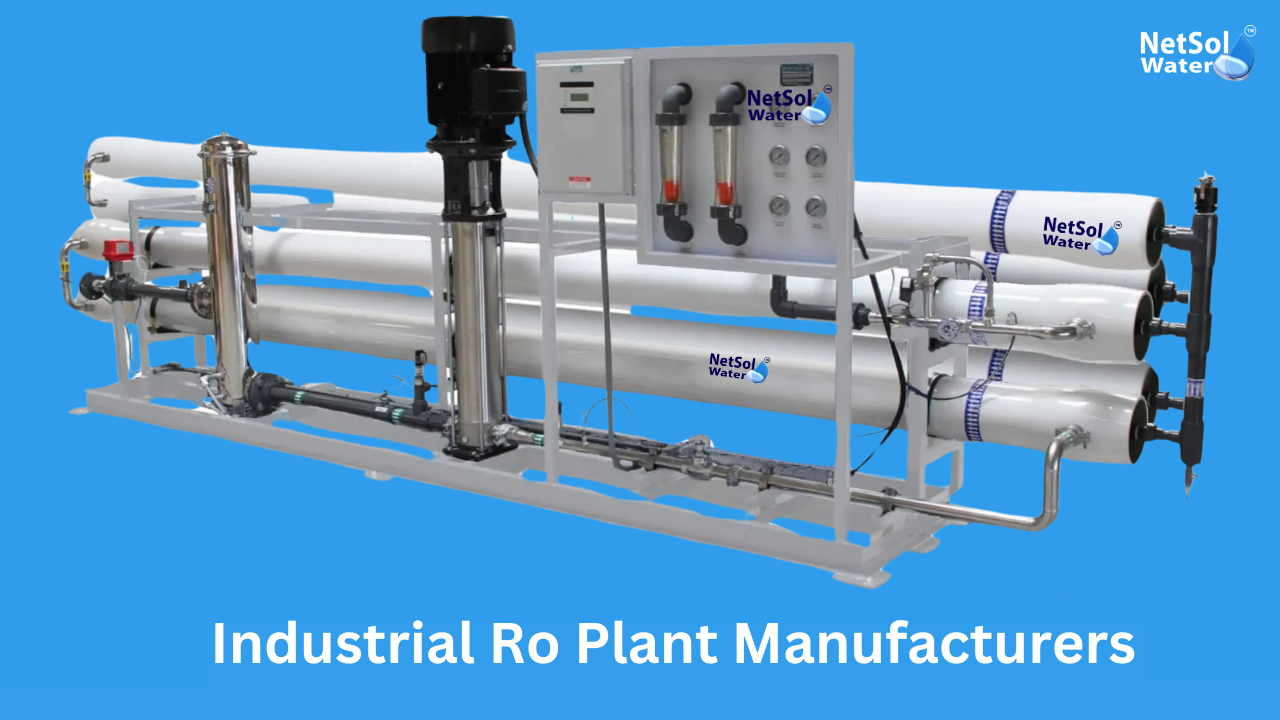
A commercial RO plant normally includes multiple treatment stages.
Each stage has a specific purpose.
1. Raw Water Storage
The incoming water is first collected in a raw water tank.
This tank provides a stable supply to the pretreatment system and helps manage variations in water availability.
2. Feed Pump
The feed pump moves water from the storage tank toward the pretreatment units.
The pump capacity should match the required flow and system design.
3. Multimedia Filtration
A multimedia filter can reduce suspended particles and turbidity.
This stage helps protect downstream equipment and membranes from excessive solids.
4. Activated Carbon Filtration
An activated carbon filter can help reduce chlorine and certain organic compounds.
Chlorine control is especially important when the selected RO membrane is sensitive to chlorine exposure.
5. Water Softening
If the feed water has high hardness, a softener may be included in the pretreatment system.
This helps reduce the risk of scaling on RO membranes.
However, not every RO plant requires a softener. The need depends on the feed-water chemistry and the selected treatment approach.
6. Cartridge Filtration
A cartridge filter provides another level of fine particle protection before water enters the RO system.
It helps protect the membrane from particles that could otherwise reach the high-pressure section.
7. High-Pressure Pump
The RO membrane needs adequate pressure to separate water from dissolved contaminants.
The high-pressure pump provides this driving force.
Its selection depends on the membrane type, feed-water conditions, required flow and operating pressure.
8. Reverse Osmosis Membranes
This is the core purification stage.
Water passes through the semipermeable membrane under pressure. A portion becomes permeate while the rejected contaminants move into the concentrate stream.
9. Permeate Storage
The purified water can be collected in a permeate tank.
From there, it can be supplied to the required application through a suitable distribution system.
10. Post-Treatment
Depending on the intended use, the system may include additional treatment.
This could involve UV, ozone, remineralization or other processes.
The right post-treatment depends on whether the water is intended for processing, cleaning, drinking or another application.
Commercial RO Plant Applications in Food Processing
A commercial RO plant can support several areas within a food processing facility.
1. Food and Beverage Production
Certain production processes require consistent water quality. RO-treated water can be used where the process specifications call for reduced dissolved solids or other controlled characteristics.
2. Ingredient Preparation
Water can form part of recipes and formulations. In such cases, consistent water quality can help maintain process consistency.
3. Equipment Cleaning
RO water may be used for selected cleaning applications where lower mineral content is beneficial.
4. Boiler Feed
Boilers can be sensitive to hardness and dissolved minerals.
RO treatment can form part of a boiler-feed water treatment system. However, additional conditioning may still be required depending on the boiler design and feed-water specifications.
5. Utility Applications
Food processing facilities can also use treated water for selected utility operations.
The actual application should always match the achieved water quality.
Different Food Processing Industries That Can Use Commercial RO Plants
The need for purified water exists across many parts of the food sector.
1. Dairy Industry
Dairy plants use water for processing, cleaning and utilities. Water treatment can help manage hardness and dissolved contaminants that could otherwise affect equipment and operations.
2. Beverage Industry
Beverage manufacturers often need consistent water quality because water can become an important part of the final product.
RO can provide a controlled purification stage before further treatment or processing.
3. Bakery Industry
Bakeries use water for dough preparation, cleaning and other operations. Consistent water quality can support predictable production.
4. Packaged Food Industry
Sauces, snacks, ready-to-eat products and other processed foods can have different water requirements. An RO system can be configured around the particular application.
5. Fruit and Vegetable Processing
These facilities use water for washing, processing and cleaning. The treatment requirement depends on the source water and intended use.
How to Select the Right Commercial RO Plant Capacity
Choosing the right capacity is another important decision.
Commercial RO plants are commonly specified in litres per hour, such as:
250 LPH
500 LPH
1,000 LPH
2,000 LPH
5,000 LPH
10,000 LPH
Larger food processing facilities may require substantially higher capacities.
However, the plant should not be sized only according to average daily consumption.
The manufacturer should consider:
Peak water demand
Operating hours
Production shifts
Storage capacity
Recovery requirement
Future expansion
Required permeate flow
For example, a plant operating for 10 hours per day may need a different RO capacity from a plant that operates continuously.
Netsol Water publishes commercial RO systems across a range of capacities and states that systems can be customized according to customer requirements.
Importance of RO Recovery Rate
Recovery indicates how much feed water becomes useful permeate.
For example, if an RO system receives 1,000 litres of feed water and produces 700 litres of permeate, its recovery is 70%.
The remaining water becomes reject.
Higher recovery can reduce water wastage, but pushing recovery too far can increase scaling and fouling risks. Therefore, the manufacturer must balance recovery with feed-water chemistry and membrane performance.
Food processing businesses should discuss recovery during the design stage rather than focusing only on the initial purchase price.
What Is RO Reject Water?
RO does not convert all feed water into purified water.
The rejected portion contains a higher concentration of dissolved contaminants. Therefore, businesses need a suitable plan for managing RO reject water.
Depending on the site's water management strategy, reject water may have potential uses for selected non-critical applications. However, its suitability depends on its quality.
In applications with strict discharge restrictions or strong water conservation goals, additional treatment or recovery systems may be considered.
The important point is to plan reject-water management before commissioning the RO plant.
Energy Efficiency in Commercial RO Plants
Energy consumption is an important operating cost.
The high-pressure pump normally accounts for a significant portion of the RO system's electricity use. Therefore, selecting an efficient pump and operating the system at appropriate pressure can help control energy consumption.
Other factors also matter.
For instance, a poorly maintained membrane can increase pressure requirements. Fouled membranes may reduce flow and force the operator to run the system harder.
Regular maintenance therefore contributes not only to water quality but also to energy efficiency.
RO Membrane Selection Matters
The membrane is the heart of an RO system.
Different membrane types have different characteristics. The manufacturer should select membranes according to:
Feed-water TDS
Temperature
Required permeate quality
Recovery
Flow
Operating pressure
Fouling potential
Using the wrong membrane can increase operating costs and reduce system performance.
Netsol Water's published commercial RO information describes the use of branded membrane and pump components in its systems and emphasizes customized plant configurations.
Maintenance of a Commercial RO Plant
Even a well-designed RO plant requires regular maintenance.
Food processing facilities should establish a maintenance schedule that covers:
Pretreatment filters
Cartridge filters
Chemical dosing
Pumps
Membranes
Pressure gauges
Flow meters
Electrical panels
Storage tanks
Piping and valves
Operators should monitor important readings regularly.
A sudden drop in permeate flow or a rise in operating pressure can indicate fouling, scaling or another issue.
Early action can prevent a minor problem from becoming an expensive repair.
Benefits of Installing a Commercial RO Plant
A properly designed commercial RO system can provide several benefits to food processing businesses.
1. Consistent Water Quality
The system can help maintain more consistent water quality for suitable applications.
2. Reduced Dissolved Solids
RO can significantly reduce dissolved salts and many other contaminants.
3. Equipment Protection
Proper pretreatment and RO can help reduce scaling and contamination risks in downstream equipment.
4. Process Reliability
A stable water supply can support more predictable production processes.
5. Better Water Management
The system provides a controlled treatment stage rather than relying entirely on variable source-water quality.
6. Support for Hygiene
Where the application requires purified water, RO can form part of a broader water treatment and hygiene strategy.
7. Potential Water Savings
With appropriate system design and reject-water management, businesses can improve overall water efficiency.
Why Choose a Commercial RO Plant Manufacturer in Noida?
Choosing a commercial RO plant manufacturer located in or experienced with the Noida and Greater Noida region can offer practical advantages.
The manufacturer can provide site assessment and understand local installation conditions. It can also coordinate transportation, installation and commissioning more easily.
More importantly, businesses should look for a manufacturer that provides complete technical support.
A reliable supplier should ideally help with:
Water testing
Capacity calculation
Process design
Equipment selection
Manufacturing
Installation
Commissioning
Operator training
Preventive maintenance
Technical support
Netsol Water identifies itself as a Greater Noida-based manufacturer and supplier of commercial and industrial RO systems. Its Noida-specific commercial RO page describes customized systems and provides local contact information for enquiries.
Why Consider Netsol Water for Food Processing RO Systems?
Netsol Water offers commercial and industrial RO systems for different applications. Its published commercial RO information covers multiple capacities and describes customization according to customer requirements.
Its Noida page specifically positions the company as a manufacturer and supplier of commercial and industrial RO systems in the region.
For a food processing company, the most useful part of this approach is customization.
Food processing plants do not all use water in the same way. One facility may require purified water for production. Another may primarily need it for cleaning and utilities. A beverage manufacturer may have more demanding product-water requirements.
Therefore, the RO plant should be designed around the application rather than selected from a generic catalogue.
What Should You Ask an RO Manufacturer Before Buying?
Before selecting a Commercial RO Plant Manufacturer in Noida, ask a few practical questions.
1. Will You Test Our Feed Water?
A good manufacturer should understand the feed-water quality before finalizing the design.
2. How Much Permeate Will We Need?
The manufacturer should calculate capacity according to actual consumption and peak demand.
3. What Pretreatment Will Be Required?
Pretreatment is critical for membrane protection. Ask the manufacturer to explain every pretreatment stage and why it is necessary.
4. What Will Be the Recovery Rate?
A realistic recovery figure helps businesses plan water consumption and reject management.
5. What Is the Expected Operating Cost?
Ask about electricity, chemicals, membrane replacement and routine maintenance.
6. How Often Will Membranes Need Cleaning?
The answer depends on feed-water quality and operating conditions. The manufacturer should provide an appropriate cleaning and maintenance plan.
7. What Happens After Installation?
Technical support should continue after commissioning. Ask about spare parts, servicing and annual maintenance options.
Commercial RO Plant vs. Industrial RO Plant
Food processing companies sometimes wonder whether they need a commercial or industrial RO plant.
The distinction often relates to the scale and application rather than the industry name alone.
A smaller food business may use a commercial RO system for moderate water demand. A large manufacturing facility with continuous production may need a higher-capacity industrial RO system.
Therefore, businesses should discuss their flow requirements with the manufacturer instead of deciding based only on terminology.
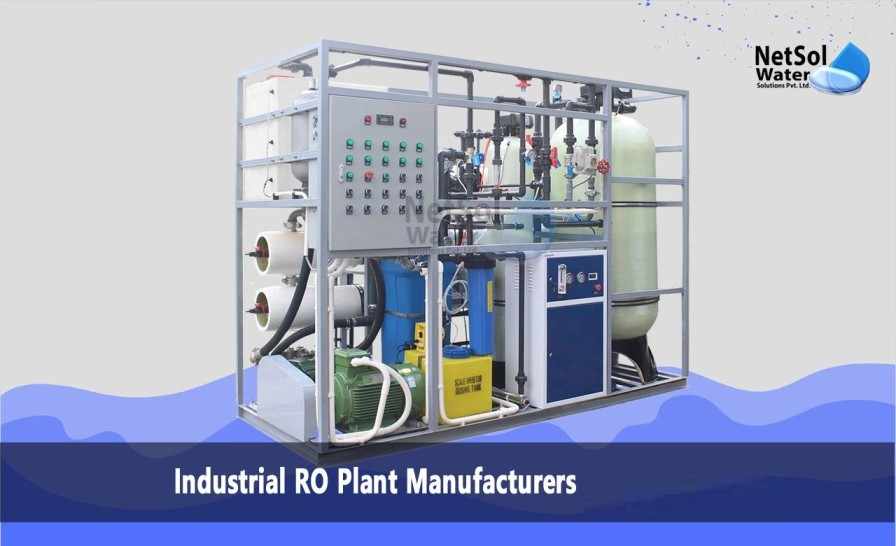
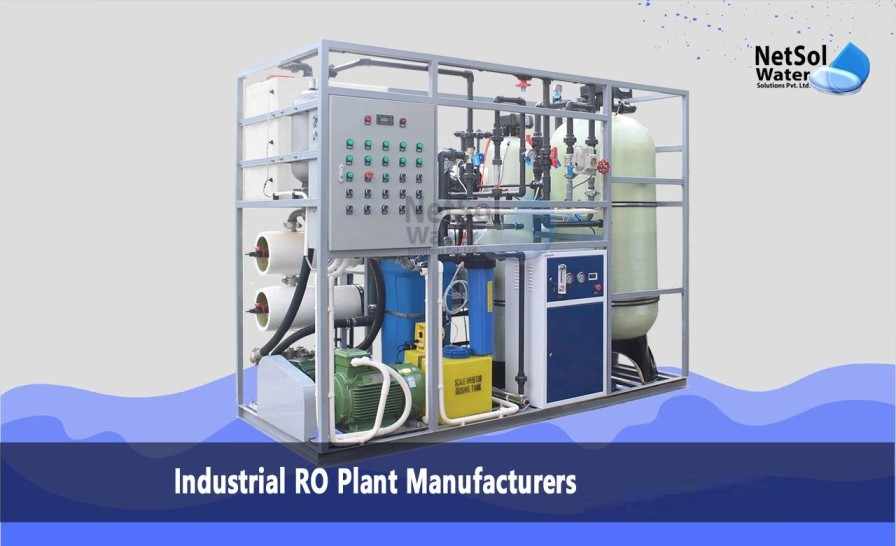
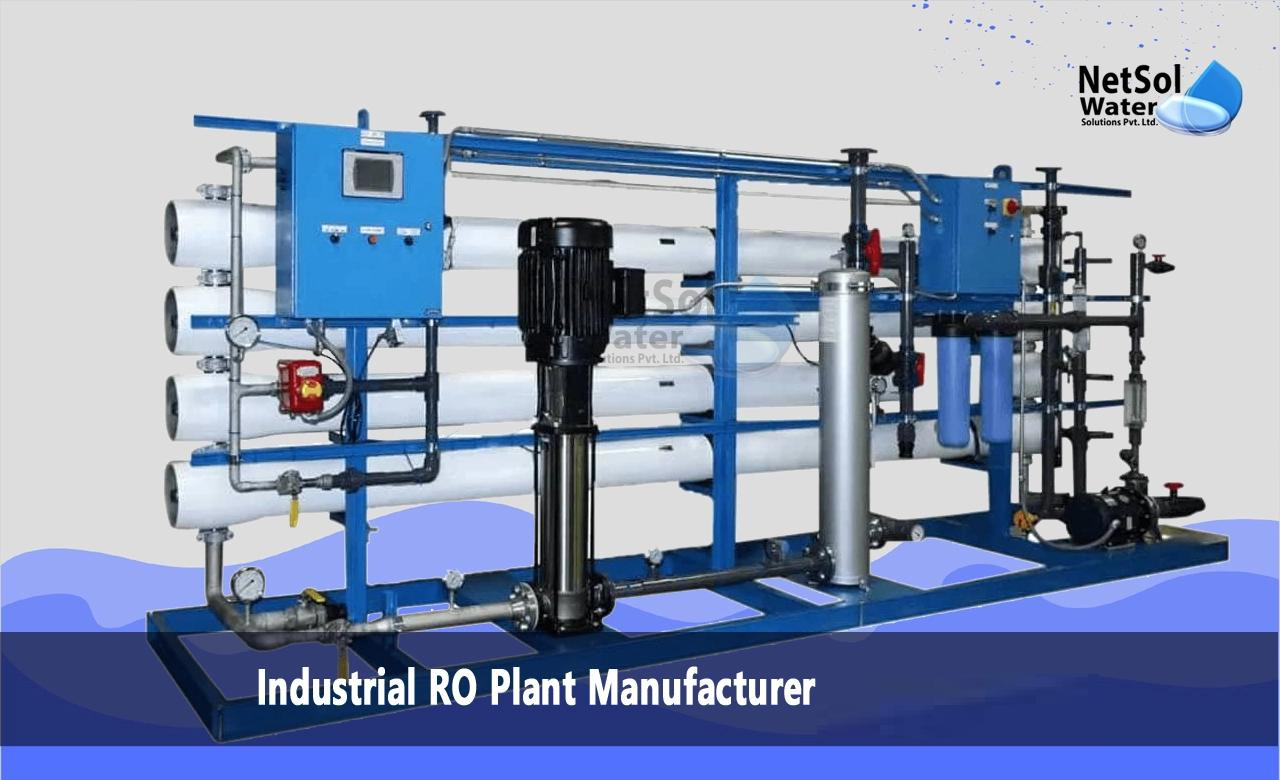
Netsol Water publishes both commercial and industrial RO solutions, including larger-capacity systems for industrial applications.
Role of Automation in Commercial RO Plants
Automation can make RO plant operation easier.
Depending on the system, automation can monitor and control:
Feed-water flow
Pressure
Tank levels
Pump operation
Chemical dosing
Automatic flushing
Membrane cleaning cycles
System alarms
Automation is especially useful for food processing facilities where water demand can change during different production shifts.
However, automation does not eliminate the need for trained operators. Regular inspection and maintenance remain essential.
Conclusion
Water quality can have a direct impact on the performance of a food processing facility. From production and cleaning to utilities and equipment protection, businesses need a dependable water supply that meets their specific requirements.
A properly designed commercial RO plant can help reduce dissolved salts and other contaminants while providing more consistent water quality for suitable applications.
However, selecting the right system requires more than choosing an LPH capacity. The manufacturer should study the feed-water quality, calculate actual demand, select appropriate pretreatment, choose suitable membranes and plan reject-water management.
This is why selecting an experienced Commercial RO Plant Manufacturer in Noida can make a significant difference.
Netsol Water provides commercial and industrial RO solutions in Noida and describes customized systems for different water treatment requirements. Its published product information covers a range of commercial RO capacities and highlights the importance of selecting equipment according to the customer's requirements.
For food processing industries, the best RO plant is not necessarily the most expensive or the most advanced system. It is the one that produces the required water quality at a practical operating cost and continues to perform reliably over time.
With proper water analysis, suitable pretreatment, quality components and regular maintenance, a commercial RO plant can become an important part of a food processing facility's water management strategy. It can help businesses maintain consistent water quality while protecting equipment and supporting smoother day-to-day operations.

Write a comment ...