
Gurgaon has become a major industrial and commercial centre in the Delhi-NCR region. From manufacturing units and pharmaceutical companies to food processing facilities and commercial establishments, businesses across the city generate wastewater every day. As industrial activity grows, proper wastewater treatment becomes increasingly important.
This is where a reliable effluent treatment plant manufacturer in Gurgaon can help industries manage their wastewater responsibly.
An Effluent Treatment Plant (ETP) is designed to treat industrial wastewater before reuse or discharge. It helps remove pollutants such as suspended solids, organic matter, oils, chemicals and other contaminants that may be present in industrial effluent. At the same time, industries are looking for treatment systems that consume less energy and remain economical to operate.
The focus on energy efficiency has grown because an ETP can operate for long hours. Pumps, blowers, mixers, aeration systems and other equipment may contribute significantly to electricity consumption. Therefore, the right combination of treatment technology, equipment selection and process control can help reduce unnecessary energy use.
It is also important to understand the difference between an ETP and an STP. An ETP primarily treats industrial effluent, while an STP treats domestic sewage from sources such as residential buildings, offices, hotels and institutions. However, some industrial facilities may need both systems. In such cases, the ETP handles process wastewater while the STP manages domestic sewage generated at the facility.
For this reason, industries should choose a manufacturer that understands both wastewater streams and can recommend the right treatment approach for the site.
What Is an Effluent Treatment Plant?
An Effluent Treatment Plant is a wastewater treatment system designed to treat industrial effluent generated during manufacturing or processing activities.
Unlike domestic sewage, industrial wastewater can have very different characteristics depending on the industry.
For example, wastewater from a textile unit may contain colour and chemicals. Food processing wastewater may contain high organic loads and suspended solids. Pharmaceutical wastewater can contain complex compounds. Similarly, wastewater from metal-related industries may contain heavy metals and other specific contaminants.
Therefore, industrial wastewater treatment cannot follow a single standard formula.
A professional effluent treatment plant manufacturer in Gurgaon studies the characteristics of the wastewater before selecting the treatment process.
The manufacturer may consider parameters such as pH, TSS, TDS, COD, BOD, oil and grease, colour, metals and other industry-specific pollutants.
The treatment process then combines suitable physical, chemical and biological methods to reduce these contaminants.
Why Industries in Gurgaon Need Efficient ETPs
Gurgaon's industrial and commercial development has created a growing need for effective wastewater management.
Industrial facilities use water for production, cleaning, cooling, washing and other activities. As a result, wastewater can contain substances that require treatment before the water can be reused or discharged.
Simply sending industrial effluent into a conventional sewage treatment system may not provide the required treatment. Instead, industries need an ETP designed around their specific wastewater characteristics.
Moreover, energy consumption has become an important operating concern.
An ETP that treats wastewater effectively but consumes excessive electricity can become expensive to operate. Therefore, industries increasingly look for systems that combine treatment efficiency with practical energy management.
Modern water treatment companies also provide ETP solutions along with STPs, RO plants, automation and energy-management services.
How Does an Effluent Treatment Plant Work?
The exact treatment sequence depends on the industry. However, a typical ETP may include several stages.
1. Effluent Collection
Industrial wastewater first enters a collection or equalization system.
The equalization tank helps balance fluctuations in flow and pollutant concentration. This creates a more stable feed for the treatment stages that follow.
This stage is especially useful when an industry operates in batches or experiences significant changes in production.
2. Screening
The wastewater may pass through screens to remove larger solids and unwanted materials.
Screening protects pumps and other equipment from blockage. It also reduces the amount of solid material entering downstream treatment units.
3. Oil and Grease Removal
Some industries generate wastewater containing oils and grease.
An oil and grease separation system can remove these materials before further treatment.
Removing them early can improve the performance of biological and chemical treatment stages.
4. pH Correction
Industrial wastewater may be acidic or alkaline.
A pH adjustment system can bring the wastewater closer to the desired operating range before it enters subsequent treatment stages.
This step becomes particularly important when biological treatment follows because microorganisms generally require suitable environmental conditions.
5. Chemical Treatment
Chemical treatment may be required when wastewater contains specific pollutants that biological treatment cannot remove effectively.
Depending on the wastewater characteristics, the process may involve coagulation, flocculation, neutralization or precipitation.
These processes can help remove suspended and dissolved contaminants.
6. Biological Treatment
Some industrial wastewater contains biodegradable organic matter.
In such cases, biological treatment can help microorganisms break down organic pollutants.
Aeration systems may supply oxygen to support microbial activity.
However, the biological process should be designed according to the wastewater's characteristics. Industrial effluent can contain substances that may inhibit microbial activity.
7. Clarification
After chemical or biological treatment, suspended solids need to be separated from the treated water.
Clarifiers allow solids to settle while the clearer water moves toward the next treatment stage.
8. Filtration and Polishing
Additional filtration may be necessary when the treated water requires better quality.
Depending on the application, the system may include sand filters, activated carbon filters, membrane systems or other polishing equipment.
9. RO Treatment for Water Reuse
Some industries want to reuse treated wastewater in their processes.
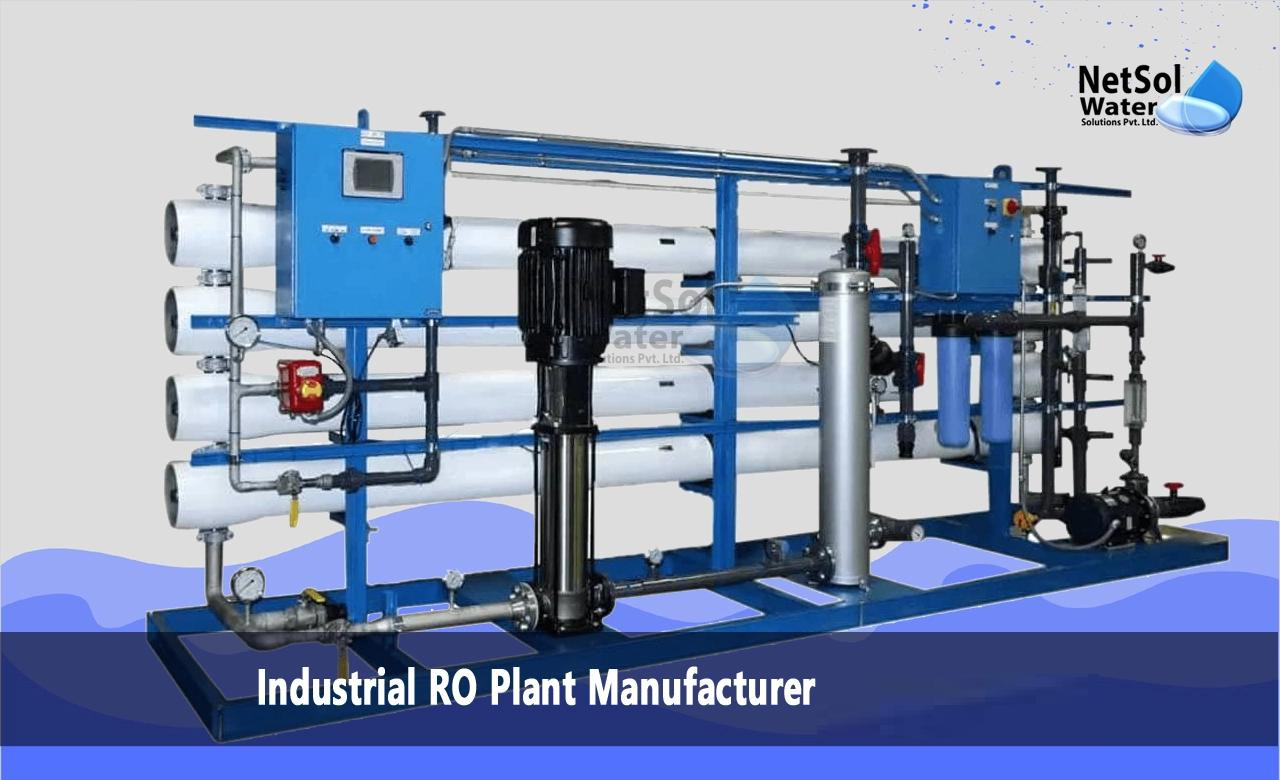
In such cases, a Reverse Osmosis system may be added after appropriate pretreatment. RO can help reduce dissolved salts and other contaminants.
The exact configuration should depend on the desired reuse quality and wastewater characteristics.
10. Sludge Management
ETPs generate sludge during chemical and biological treatment.
The sludge needs proper collection and dewatering before further handling or disposal.
A complete ETP design therefore considers both water treatment and sludge management.
Common ETP Treatment Technologies
Different industries require different treatment processes. Therefore, a professional ETP manufacturer in Gurgaon should have the ability to design customized treatment systems.
1. Physico-Chemical Treatment
Physico-chemical treatment is useful when industrial wastewater contains suspended solids, colour, metals, oils or other pollutants that require chemical removal.
Coagulation and flocculation can bring fine particles together so they become easier to separate.
Chemical precipitation can also help remove certain dissolved contaminants.
The correct chemical treatment depends on the wastewater analysis.
2. Biological Treatment
Biological treatment uses microorganisms to reduce biodegradable organic matter.
It can be useful for industries that generate wastewater with significant organic loads.
However, biological treatment should not be selected without understanding the wastewater composition. Some industrial chemicals can affect microbial activity.
3. MBBR Technology
Moving Bed Biofilm Reactor technology uses carrier media that support microbial growth.
The media provide a large surface for microorganisms and can help maintain biological treatment performance in a relatively compact system.
MBBR can be considered where biological treatment and space efficiency are important.
4. SBR Technology
Sequential Batch Reactor technology operates through controlled treatment cycles.
Aeration, settling and other process stages take place according to a programmed sequence.
SBR can provide process flexibility and may suit certain industrial wastewater applications when properly designed.
5. MBR Technology
Membrane Bioreactor technology combines biological treatment with membrane filtration.
It can produce high-quality treated water and may be considered where water reuse and a compact footprint are important.
However, membrane systems require appropriate monitoring and maintenance.
6. Reverse Osmosis
RO is generally used as a polishing or reuse-stage technology rather than as the first treatment step for raw industrial effluent.
Proper pretreatment is essential because suspended solids, scaling compounds and other contaminants can affect membrane performance.
When correctly integrated, RO can support high-quality water recovery for suitable industrial applications.
What Makes an ETP Energy Efficient?
An energy-efficient ETP aims to achieve the required treatment performance without using more electricity than necessary.
Several components contribute to energy consumption.
These include:
Pumps
Blowers
Aeration systems
Mixers
Agitators
RO high-pressure pumps
Sludge dewatering equipment
Control systems
The manufacturer should therefore evaluate energy use during the design stage.
For example, selecting an oversized pump may increase power consumption without providing a meaningful treatment benefit.
Similarly, inefficient aeration can increase blower electricity use.
Proper equipment sizing is therefore one of the simplest ways to improve energy performance.
Benefits of an Energy-Efficient ETP
1. Lower Electricity Consumption
Industrial wastewater treatment can operate continuously.
Consequently, electricity consumption can become a significant part of the plant's operating cost.
Efficient pumps, motors, blowers and controls can help reduce unnecessary energy use.
Even small improvements can become valuable when the plant operates throughout the year.
2. Reduced Operating Expenses
An energy-efficient ETP can help control recurring expenses.
Lower electricity consumption can reduce monthly operating costs. At the same time, good process design can help reduce maintenance requirements and prevent unnecessary equipment failures.
This makes energy efficiency an important part of long-term wastewater management.
3. Better Water Recovery
A well-designed ETP can allow industries to recover treated water for suitable reuse applications.
Depending on the industry and final water quality, treated water may be reused for:
Cooling
Washing
Gardening
Process applications
Boiler feed after suitable treatment
Flushing
Other non-potable applications
Water recycling can reduce the demand for fresh water.
4. Reduced Environmental Impact
Proper treatment helps prevent untreated industrial wastewater from reaching the environment.
At the same time, energy-efficient equipment reduces unnecessary electricity consumption.
Therefore, an efficient ETP can support both environmental protection and resource conservation.
Why Customized ETP Design Matters
Industrial wastewater is rarely identical from one factory to another.
Even two facilities in the same industry can produce different wastewater because their raw materials, production methods and cleaning processes may vary.
Therefore, a good Effluent Treatment Plant Manufacturer in Gurgaon should begin with wastewater assessment.
Important considerations include:
Industry type
Production process
Daily wastewater generation
Peak flow
pH
BOD
COD
TSS
TDS
Oil and grease
Heavy metals
Colour
Chemical composition
Reuse requirements
Discharge requirements
Available installation area
This information helps the manufacturer select the correct treatment stages.
A customized system can also prevent unnecessary equipment from being installed.
The Role of Equalization in Efficient ETP Operation
Equalization is often an important part of industrial wastewater treatment.
Industrial production does not always remain constant. Wastewater flow and pollutant concentration can change throughout the day.
An equalization tank helps smooth these variations.
As a result, downstream treatment units receive a more consistent wastewater flow.
This can make chemical dosing and biological treatment easier to control.
It can also support stable plant performance.
Energy Efficiency in Aeration Systems
Aeration can be a significant energy consumer when biological treatment forms part of an ETP.
Therefore, blower selection deserves careful attention.
A manufacturer should calculate the oxygen requirement instead of simply selecting a high-capacity blower.
Efficient diffusers can also improve oxygen transfer.
Variable Frequency Drives can further help regulate blower or motor operation according to actual demand.
When combined with proper process control, these measures can reduce unnecessary energy consumption.
Automation and Process Control
Automation can make industrial wastewater treatment easier to monitor.
A modern control system can track selected operating parameters and control pumps, blowers, mixers and other equipment.
Automation can also support consistent chemical dosing and treatment cycles.
Variable Frequency Drives allow motors to operate at different speeds when process demand changes.
As a result, equipment does not always need to run at maximum capacity.
However, automation should complement good engineering.
A poorly designed ETP will not become efficient simply because an automated control panel is added.
Compact ETP Solutions for Limited Space
Industrial facilities do not always have large areas available for wastewater treatment.
Existing factories may already have limited utility space. New facilities may also need to optimize land use.
Compact ETP designs can help in such situations.
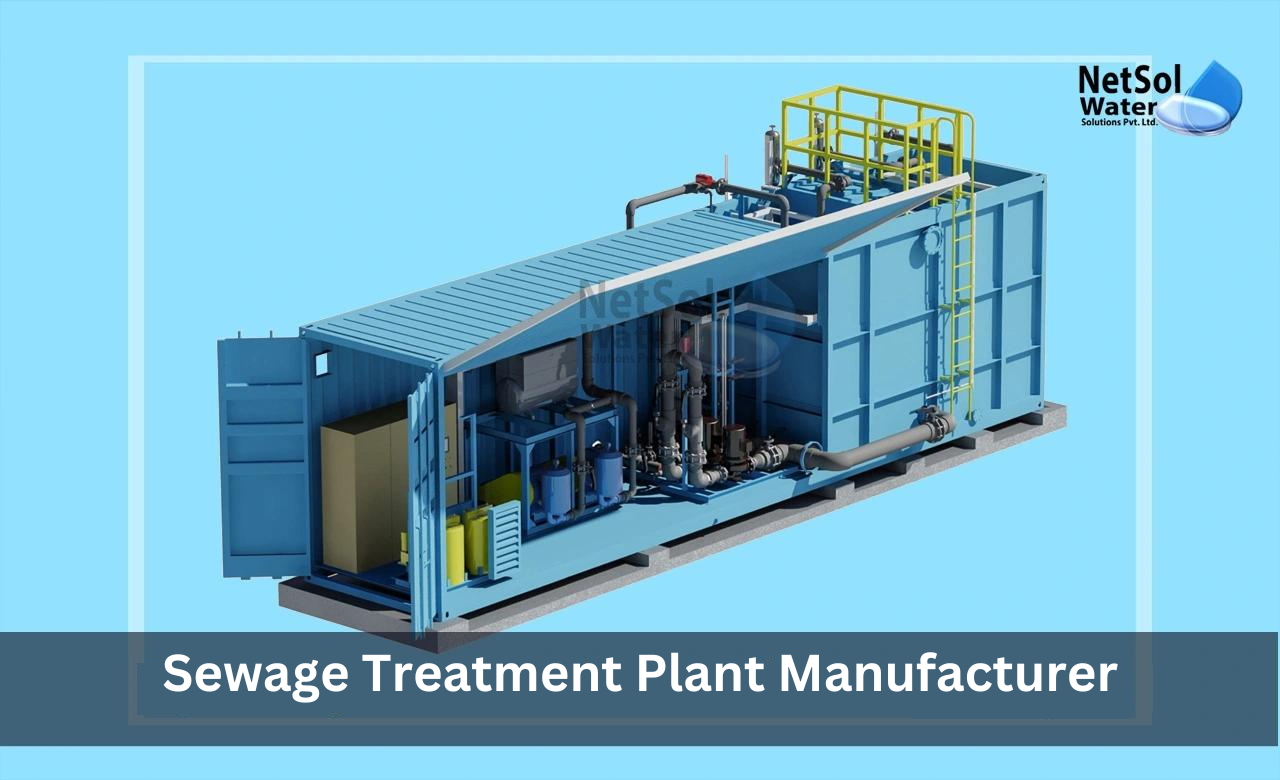
Packaged systems can integrate several treatment stages into a smaller footprint. The supplied reference material also highlights compact ETPs as a solution for industrial wastewater treatment and reuse.
The exact footprint depends on wastewater flow, treatment technology and required water quality.
Therefore, the manufacturer should evaluate the available site before finalizing the plant configuration.
ETP and STP: Understanding the Difference
The title of this article combines ETP and STP because many industrial facilities may need both systems. However, the two plants serve different purposes.
1. Effluent Treatment Plant
An ETP treats wastewater generated by industrial processes.
It may remove chemicals, oils, metals, colour, suspended solids and high organic loads depending on the industry.
2. Sewage Treatment Plant
An STP treats domestic sewage generated by toilets, bathrooms, kitchens and other sanitary facilities.
For example, an industrial campus may have wastewater from its production area as well as sewage from employee facilities.
In this case:
Industrial Effluent → ETP
Domestic Sewage → STP
Keeping these streams separate can make treatment more efficient because each plant addresses a different wastewater composition.
Applications of ETPs in Gurgaon
1. Pharmaceutical Industry
Pharmaceutical manufacturing can generate wastewater containing complex organic compounds and chemicals.
The ETP must therefore be designed after studying the specific wastewater characteristics.
2. Food Processing Industry
Food and beverage facilities can generate wastewater with high organic content, suspended solids and fats.
Biological treatment may form an important part of the treatment process.
3. Textile Industry
Textile wastewater can contain colour, chemicals, suspended solids and other contaminants.
The treatment system may require a combination of physical, chemical and biological processes.
4. Metal and Engineering Industries
Metal-related wastewater may contain oils, suspended solids and dissolved metals.
Chemical precipitation and other specialized processes may be required depending on the wastewater composition.
5. Automobile Industry
Automobile manufacturing and maintenance facilities can generate wastewater containing oils, grease, suspended solids and other contaminants.
The ETP should address these pollutants according to the site's actual wastewater analysis.
How to Select the Right ETP Manufacturer in Gurgaon
Choosing the right manufacturer can make a significant difference to plant performance.
First, check whether the manufacturer has experience with industrial wastewater.
Industrial effluent requires a different approach from domestic sewage. Therefore, the company should understand process-specific wastewater characteristics.
Next, ask about customization.
The manufacturer should design the treatment process around your wastewater rather than simply offering a standard package.
Equipment quality also matters.
Pumps, blowers, mixers, dosing systems, filters, membranes, control panels and other components influence the plant's reliability.
After-sales service is another important consideration.
An ETP requires regular monitoring and maintenance. Therefore, technical support can help keep the system operating effectively.
Finally, compare the total cost of ownership rather than only the initial installation price.
Importance of ETP Maintenance
Regular maintenance helps maintain treatment performance and equipment reliability.
Important activities include:
Checking pumps
Inspecting blowers
Cleaning filters
Checking dosing systems
Monitoring chemical consumption
Inspecting membranes
Checking sludge levels
Maintaining electrical panels
Monitoring treated water quality
Inspecting pipelines and valves
Preventive maintenance can identify problems before they cause major downtime.
For example, a small pump problem may be easy to fix early. If ignored, it could eventually affect the entire treatment process.
Why Total Cost of Ownership Matters
The cheapest ETP is not necessarily the most economical ETP.
An industrial facility will operate the plant for years. During this period, electricity, chemicals, maintenance, sludge handling and component replacement contribute to the overall cost.
Therefore, industries should evaluate the plant based on its lifetime operating performance.
An energy-efficient design may require a higher initial investment. However, it can provide better long-term value through lower electricity consumption and more stable operation.
This is why a professional ETP Plant Manufacturer in Gurgaon should discuss both capital cost and operating cost during the project planning stage.
Supporting Water Recycling Through ETPs
Water recycling is becoming increasingly important for industries.
Instead of treating wastewater as a material that must simply be discharged, industries can recover water for suitable applications.
A typical reuse approach may look like:
Industrial Process → Effluent Generation → ETP → Filtration → RO or Polishing → Reuse
The exact process depends on the water quality required by the industry.
For example, water intended for cooling may have different requirements from water intended for a high-purity industrial process.
Therefore, the reuse target should be defined before designing the treatment plant.
Why Gurgaon Industries Need Future-Ready ETPs
Industrial wastewater requirements can change over time.
A factory may increase production. It may add new products. It may modify its manufacturing process.
These changes can alter both wastewater volume and pollutant concentration.
Therefore, industries should consider future expansion while designing an ETP.
A modular approach can sometimes make future upgrades easier.
The manufacturer can also allow suitable provisions for additional treatment stages or increased capacity where practical.
This forward-thinking approach can reduce the need for a complete plant redesign later.
Conclusion
Gurgaon's expanding industrial sector needs reliable and efficient wastewater treatment solutions. Industrial facilities cannot treat all wastewater in the same way because different processes generate different pollutants.
A professional effluent treatment plant manufacturer in Gurgaon can study the wastewater characteristics and design a treatment system that matches the industry's actual needs.
Physical treatment, chemical treatment, biological processes, filtration and membrane technologies can work together to remove specific pollutants. The final treatment train should depend on the industry, wastewater quality, flow rate and intended reuse or discharge requirements.
Energy efficiency should also remain a major consideration. Properly sized pumps, efficient blowers, optimized aeration, variable frequency drives and automation can help reduce unnecessary power consumption.
At the same time, regular maintenance keeps the system performing efficiently.
For industrial facilities that generate both process effluent and domestic sewage, the distinction between ETP and STP is particularly important. The ETP should treat industrial wastewater while the STP handles domestic sewage.
Most importantly, treated wastewater can become a valuable resource. With suitable polishing and reuse systems, industries can recover water for appropriate applications and reduce their dependence on fresh water.
Choosing the right ETP Manufacturer in Gurgaon is therefore a long-term decision. The ideal partner should offer sound process knowledge, customized design, quality equipment, energy-conscious engineering and dependable after-sales support.
With the right approach, an energy-efficient ETP can help industries control operating costs, improve wastewater management and move towards a more sustainable production model.

Write a comment ...