
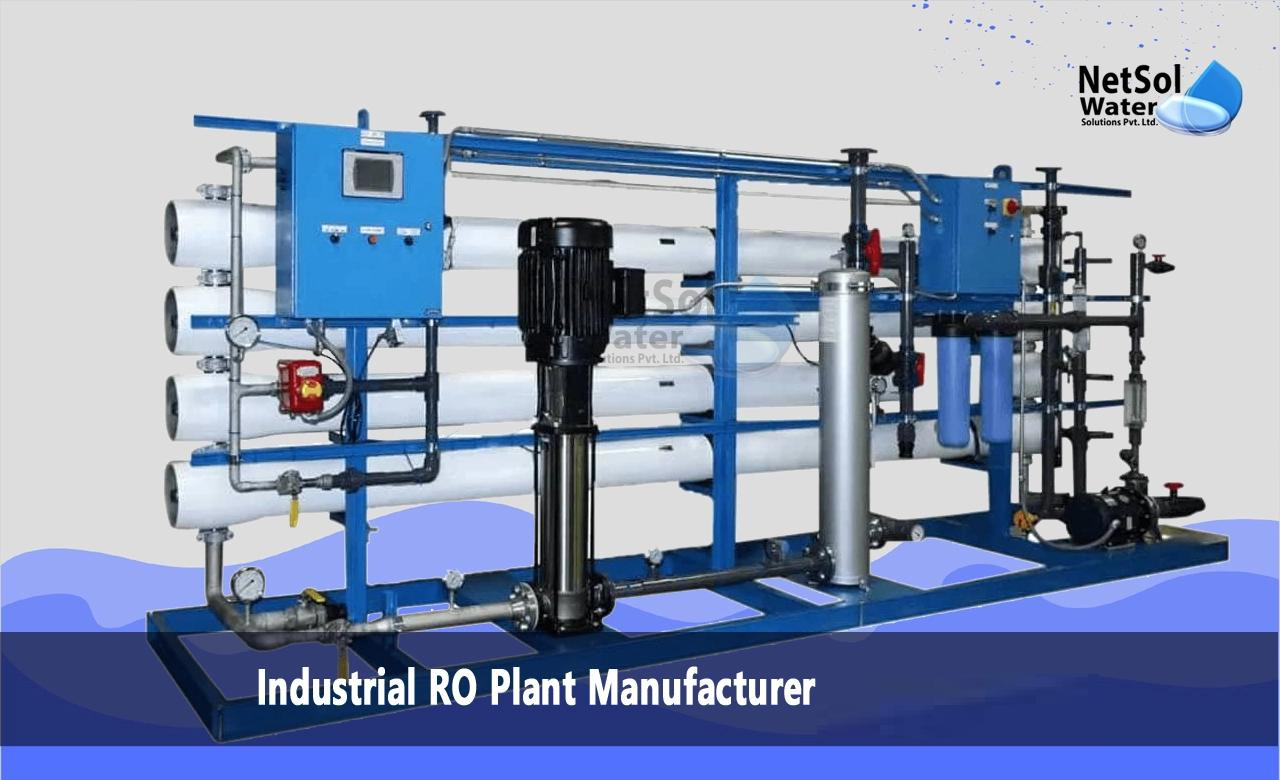
Water plays an essential role in almost every industrial process. Industries such as pharmaceuticals, food and beverage, chemicals, textiles, power generation, electronics, and manufacturing depend on a continuous supply of high-quality water. An Industrial Reverse Osmosis (RO) Plant removes dissolved salts, impurities, and unwanted contaminants to produce purified water that meets process requirements.
While purchasing an Industrial RO Plant is an important investment, controlling maintenance costs is equally important. Frequent membrane replacement, pump failures, scaling, fouling, and unexpected breakdowns can increase operating expenses and reduce production efficiency. Therefore, selecting an experienced industrial RO plant manufacturer in Noida helps industries lower maintenance costs while improving long-term plant performance.
A reliable manufacturer focuses on every stage of the project, from raw water analysis and customized engineering to professional installation and ongoing technical support. This complete approach reduces equipment wear, improves water recovery, and extends the life of the RO system.
Why Maintenance Costs Matter
Every Industrial RO Plant requires regular maintenance to perform efficiently.
However, a well-designed system experiences fewer breakdowns and lower repair expenses throughout its operating life.
1. Lower Repair Expenses
High-quality components operate reliably under continuous industrial use.
This reduces emergency maintenance and replacement costs.
2. Better System Reliability
Reliable pumps, membranes, pressure vessels, valves, filters, and control systems maintain stable performance for longer periods.
Consistent operation minimizes production interruptions.
3. Reduced Energy Consumption
Efficient equipment consumes less electricity while maintaining high water production.
Lower energy usage reduces operating expenses.
4. Longer Equipment Life
Premium-quality components remain dependable for many years when maintained correctly.
Industries spend less on replacements and major repairs.
Step 1: Understanding Raw Water Quality
Every successful Industrial RO project begins with a detailed study of the incoming water.
An experienced industrial RO plant manufacturer in Noida analyzes raw water before designing the purification system.
1. Water Quality Analysis
Engineers evaluate important water quality parameters, including:
Total Dissolved Solids (TDS)
Hardness
pH level
Iron content
Silica
Chloride
Turbidity
Organic contaminants
Understanding these parameters helps engineers select the right treatment process.
2. Site Assessment
The installation location is inspected to evaluate available space, utility connections, drainage, electrical supply, and future expansion opportunities.
Proper planning simplifies installation and future maintenance.
3. Understanding Customer Requirements
Every industry has different water quality requirements.
Some businesses require ultrapure water while others focus on reducing operating costs, increasing water recovery, or improving production efficiency.
Understanding these needs helps manufacturers design customized RO systems.
Step 2: Customized Engineering Reduces Maintenance
Customized engineering is one of the most effective ways to reduce maintenance costs.
A properly designed RO system operates more efficiently and experiences less equipment wear.
1. Selecting the Right Pretreatment System
Pretreatment protects the RO membranes from scaling, fouling, and contamination.
Depending on raw water quality, manufacturers may recommend:
Pressure Sand Filters
Activated Carbon Filters
Water Softeners
Micron Cartridge Filters
Chemical Dosing Systems
Antiscalant Dosing Units
Proper pretreatment significantly extends membrane life.
2. Correct Hydraulic Design
Engineers calculate flow rates, operating pressure, recovery percentage, and pipeline dimensions.
Proper hydraulic design reduces unnecessary stress on pumps and membranes.
3. Energy-Efficient Equipment Selection
Modern high-pressure pumps, motors, and energy-saving components reduce electricity consumption while maintaining stable water production.
Efficient equipment experiences less mechanical wear.
4. PLC-Based Automation
Modern Industrial RO Plants include advanced automation systems.
PLC controls monitor pressure, flow, conductivity, water quality, chemical dosing, alarms, and automatic flushing cycles.
Automation minimizes manual errors that often increase maintenance costs.
Step 3: Manufacturing with Premium Components
The quality of manufacturing directly affects future maintenance requirements.
Trusted manufacturers use reliable materials and internationally recognized components designed for continuous industrial operation.
1. High-Quality RO Membranes
Premium membranes deliver consistent water quality while resisting fouling and scaling more effectively.
This extends membrane service life.
2. Stainless Steel and Corrosion-Resistant Materials
Industrial RO Plants often use stainless steel piping, corrosion-resistant pressure vessels, and durable structural components.
These materials improve durability while reducing maintenance.
3. Reliable High-Pressure Pumps
High-quality pumps provide stable operating pressure with lower energy consumption.
Reliable pumps reduce repair frequency and improve plant efficiency.
4. Comprehensive Quality Inspection
Every fabricated component and purchased equipment item undergoes strict quality inspection before dispatch.
Detailed testing ensures compliance with engineering standards before installation.
Step 4: Professional Installation
Even the highest-quality equipment requires proper installation.
Professional installation helps prevent future maintenance issues while improving plant reliability.
1. Proper Site Preparation
Engineers prepare foundations, drainage arrangements, electrical supply, and utility connections before installation begins.
A well-prepared site supports stable operation.
2. Accurate Mechanical Installation
RO membranes, pressure vessels, pumps, pipelines, valves, filters, and dosing systems are installed according to approved engineering drawings.
Correct installation reduces leakage, vibration, and unnecessary equipment wear.
3. Reliable Electrical Installation
Control panels, PLC systems, sensors, and monitoring equipment are installed carefully to ensure dependable operation.
Proper electrical installation minimizes future troubleshooting.
4. Following Industry Safety Standards
Professional installation teams follow approved safety practices throughout the project.
Safe installation reduces operational risks while improving equipment reliability.
Step 5: Testing and Commissioning
Before handing over the Industrial RO Plant, engineers perform comprehensive testing under actual operating conditions.
Every membrane, pump, dosing system, pressure vessel, filter, electrical panel, and automation component is inspected carefully.
Water quality, pressure, flow rate, recovery percentage, and system efficiency are verified before final commissioning.
Engineers optimize operating parameters to ensure stable long-term performance.
A properly commissioned Industrial RO Plant begins operation with dependable water production, lower maintenance requirements, and improved operating efficiency.
Building a Strong Foundation for Lower Maintenance Costs
Lower maintenance costs begin with proper planning, detailed water analysis, customized engineering, quality manufacturing, professional installation, and careful commissioning. Every stage contributes to reliable water purification while minimizing equipment failures and unnecessary repair expenses. Choosing an experienced industrial RO plant manufacturer in Noida helps industries install a dependable water treatment system that delivers consistent performance, lower maintenance costs, and greater operational efficiency for many years.
Step 6: Preventive Maintenance Keeps Maintenance Costs Low
Installing an Industrial RO Plant is only the beginning. Regular maintenance is essential to keep the system operating efficiently and to avoid expensive repairs. A trusted industrial RO plant manufacturer in Noida provides preventive maintenance services that help industries improve plant reliability and reduce long-term operating costs.
1. Routine Equipment Inspections
Regular inspections allow technicians to identify small issues before they become major problems.
High-pressure pumps, RO membranes, pressure vessels, valves, pipelines, cartridge filters, dosing systems, electrical panels, and PLC controls should be checked at scheduled intervals. Early detection helps prevent unplanned shutdowns and costly repairs.
2. Membrane Cleaning and Replacement
RO membranes are the heart of the purification system.
Over time, scaling, fouling, and biological growth can reduce membrane efficiency. Periodic membrane cleaning restores performance, while timely replacement ensures consistent water quality and prevents unnecessary stress on the system.
3. Monitoring Pretreatment Equipment
The efficiency of an RO system depends heavily on its pretreatment section.
Pressure sand filters, activated carbon filters, water softeners, and cartridge filters should be maintained regularly to prevent contaminants from reaching the membranes. Proper pretreatment extends membrane life and reduces maintenance costs.
4. Optimizing Chemical Dosing
Correct chemical dosing protects the RO system from scaling, corrosion, and microbial growth.
Manufacturers carefully calibrate antiscalant and cleaning chemical dosing systems to improve membrane performance while reducing chemical consumption.
5. Annual Maintenance Contracts
Many industries choose Annual Maintenance Contracts (AMCs) because they include scheduled inspections, preventive servicing, technical support, and performance evaluations.
This planned maintenance approach improves system reliability and lowers emergency repair expenses.
Why Netsol Water Is a Trusted Industrial RO Plant Manufacturer in Noida
Many industries rely on Netsol Water because the company offers complete water treatment solutions from system design to long-term maintenance support.
Each project begins with a detailed analysis of raw water quality, production requirements, daily water demand, available installation space, and future expansion plans. Engineers evaluate important water quality parameters such as Total Dissolved Solids (TDS), hardness, pH, silica, iron, turbidity, and other impurities before designing the RO system.
Based on this assessment, the engineering team develops a customized Industrial RO Plant that delivers reliable water purification while reducing maintenance requirements.
The company uses premium RO membranes, energy-efficient high-pressure pumps, corrosion-resistant piping, durable pressure vessels, advanced PLC automation, high-quality electrical panels, and reliable process equipment to improve operational efficiency and extend equipment life.
Installation is carried out by experienced professionals who follow approved engineering methods and industry safety standards.
After commissioning, customers receive operator training, preventive maintenance support, technical guidance, genuine spare parts, membrane cleaning services, and annual maintenance programs.
This complete project approach helps industries maintain consistent water quality while reducing maintenance and operating costs.
Future Technologies Will Further Reduce Maintenance Costs
Industrial water treatment technology is evolving rapidly.
Modern innovations are making Industrial RO Plants more efficient, reliable, and easier to maintain.
Artificial Intelligence (AI) and the Internet of Things (IoT) are transforming plant monitoring.
Advanced sensors continuously monitor pressure, flow rate, conductivity, membrane performance, water recovery, and energy consumption.
Real-time monitoring allows operators to identify performance changes before they lead to equipment failure.
Automation also continues to improve.
Modern PLC-based systems automatically control pumps, valves, chemical dosing, flushing cycles, and alarms according to actual operating conditions.
This reduces manual intervention and minimizes unnecessary wear on critical equipment.
Energy-efficient technologies are becoming increasingly important.
High-efficiency motors, Variable Frequency Drives (VFDs), energy recovery systems, and intelligent process control reduce electricity consumption while improving overall plant performance.
Remote monitoring offers greater operational flexibility.
Plant operators can review system performance through computers or mobile devices, allowing maintenance teams to respond quickly whenever adjustments are required.
Predictive maintenance is another major advancement.
Instead of waiting for equipment failures, intelligent monitoring systems analyze operating data and recommend maintenance before serious breakdowns occur.
Manufacturers that continue investing in smart engineering, digital monitoring, and energy-efficient technologies will help industries reduce maintenance costs even further in the future.
Conclusion
Reducing maintenance costs starts with selecting the right Industrial RO system and partnering with an experienced manufacturer. Proper water analysis, customized engineering, quality manufacturing, professional installation, preventive maintenance, and dependable technical support all contribute to reliable long-term performance.
Choosing an experienced industrial RO plant manufacturer in Noida ensures that the system is designed according to actual water quality and production requirements. This reduces membrane fouling, equipment wear, energy consumption, and maintenance expenses throughout the life of the plant.
Companies such as Netsol Water continue supporting industries with advanced RO technology, dependable equipment, expert installation, and responsive after-sales service. Their complete project approach helps customers achieve reliable water purification while minimizing long-term operating and maintenance costs.
Selecting the right manufacturer is more than purchasing a water treatment system. It is about building a long-term partnership that supports operational efficiency, sustainable water management, regulatory compliance, and business growth.
Frequently Asked Questions (FAQs)
1. Why is maintenance important for an Industrial RO Plant?
Regular maintenance keeps the RO system operating efficiently, improves water quality, extends membrane life, reduces energy consumption, and prevents costly breakdowns.
2. How does pretreatment reduce maintenance costs?
Pretreatment removes suspended solids, chlorine, hardness, and other contaminants before water reaches the RO membranes. This reduces fouling and scaling, which lowers maintenance expenses and extends membrane life.
3. Can automation improve Industrial RO Plant performance?
Yes. PLC-based automation continuously monitors system performance, controls operating parameters, reduces manual errors, and improves overall efficiency while lowering maintenance requirements.
4. Why is raw water analysis necessary before designing an Industrial RO Plant?
Raw water analysis helps engineers understand the quality of incoming water. This allows them to select the correct pretreatment process and RO configuration for reliable long-term performance.
5. Why should industries choose an experienced Industrial RO Plant Manufacturer in Noida?
An experienced manufacturer provides customized system design, premium-quality components, professional installation, preventive maintenance, advanced automation, and dependable technical support. These advantages help reduce maintenance costs while ensuring consistent water quality and reliable plant operation.

Write a comment ...