
Industrial growth has transformed Noida into one of North India's leading manufacturing and business hubs. Industries such as pharmaceuticals, food and beverage, electronics, textiles, chemicals, automobile components, and engineering depend heavily on a continuous supply of clean water. At the same time, these industries generate large volumes of wastewater that often contain dissolved salts, chemicals, heavy metals, suspended solids, and other contaminants. Managing this wastewater has become one of the biggest challenges for modern industries.
Apart from meeting production requirements, industries must also comply with environmental regulations and reduce their overall water consumption. Rising water costs and declining groundwater levels have made water conservation a priority rather than an option. This is where an industrial RO plant manufacturer in Noida plays a vital role.
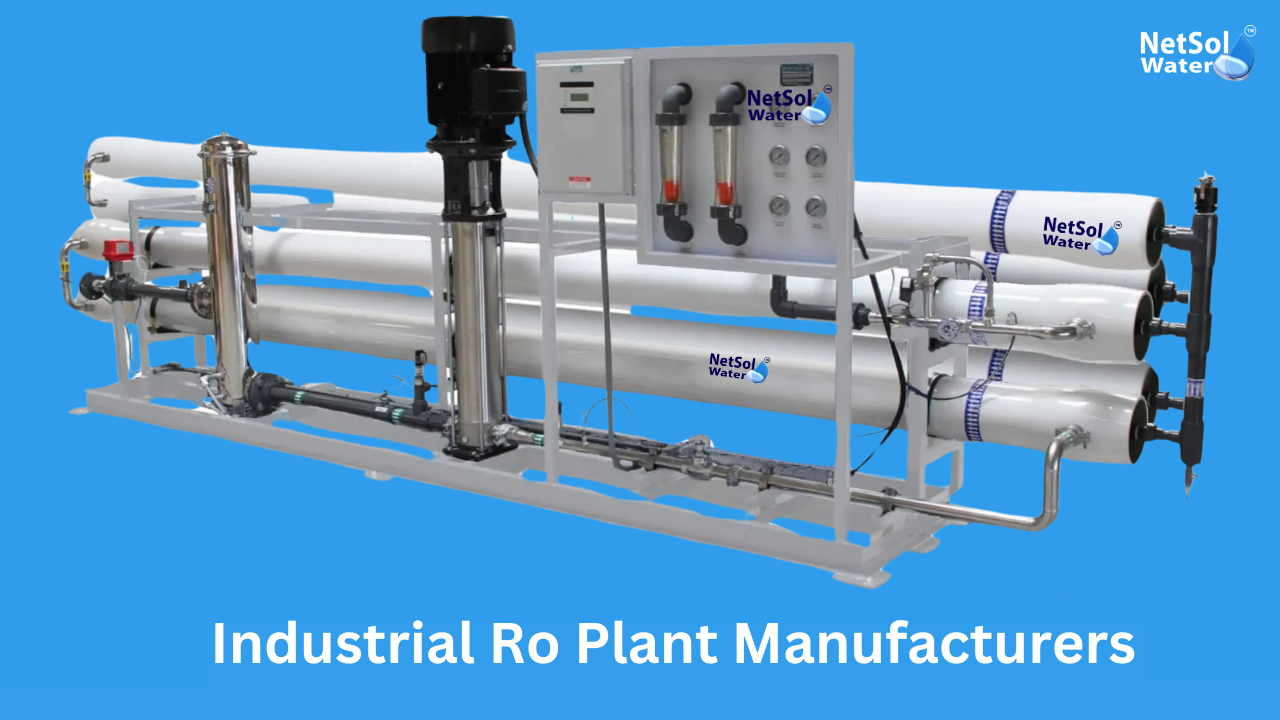
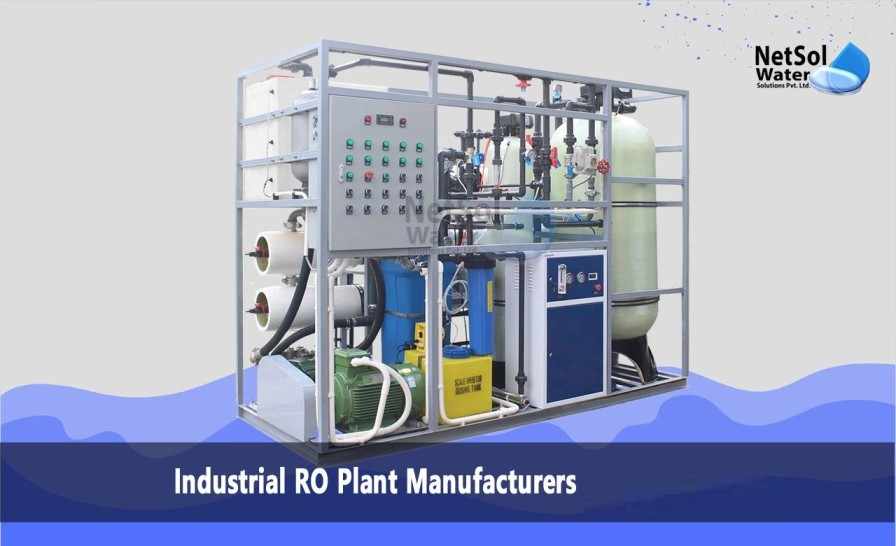
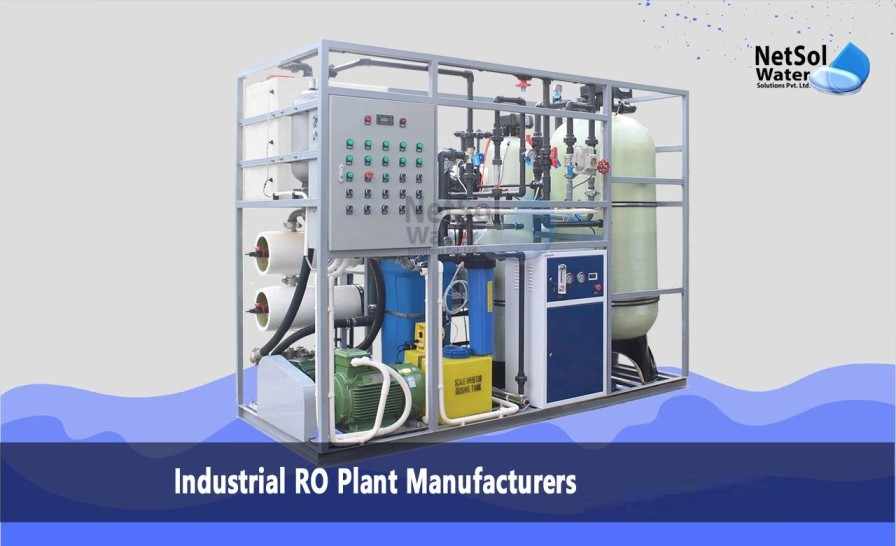
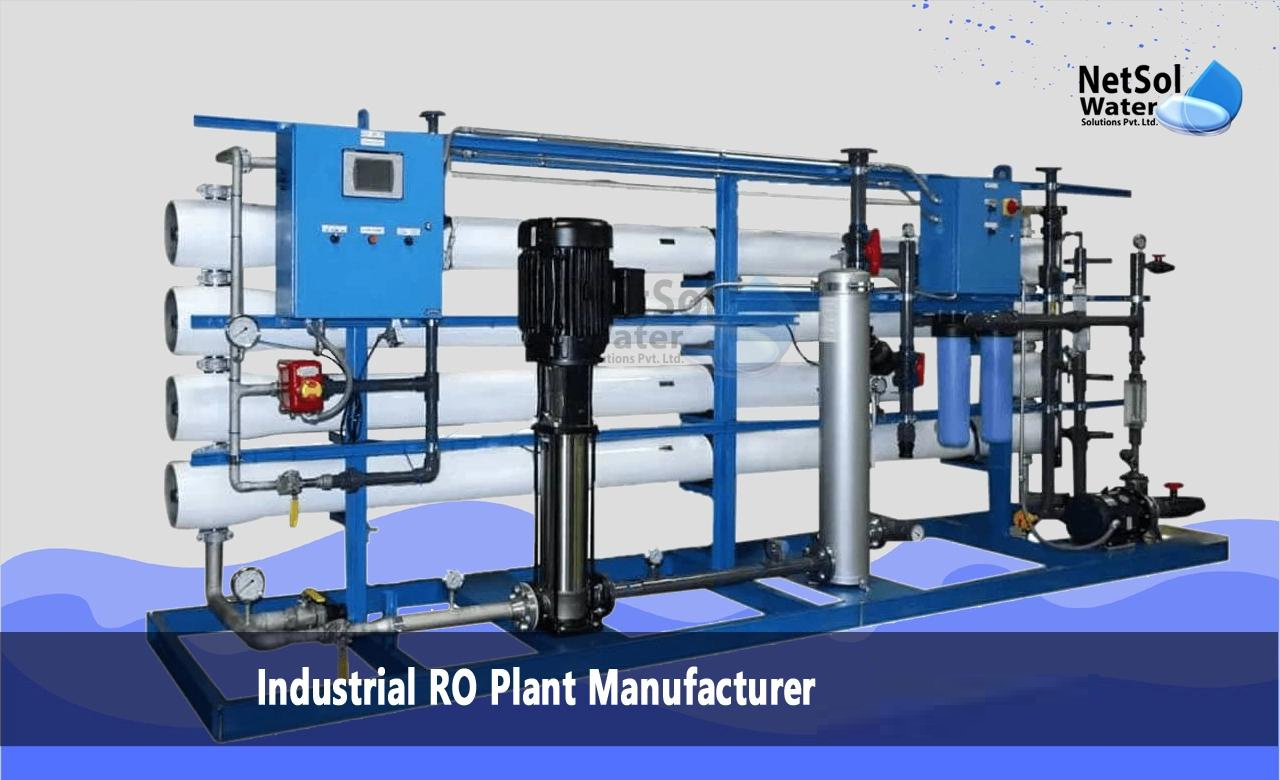
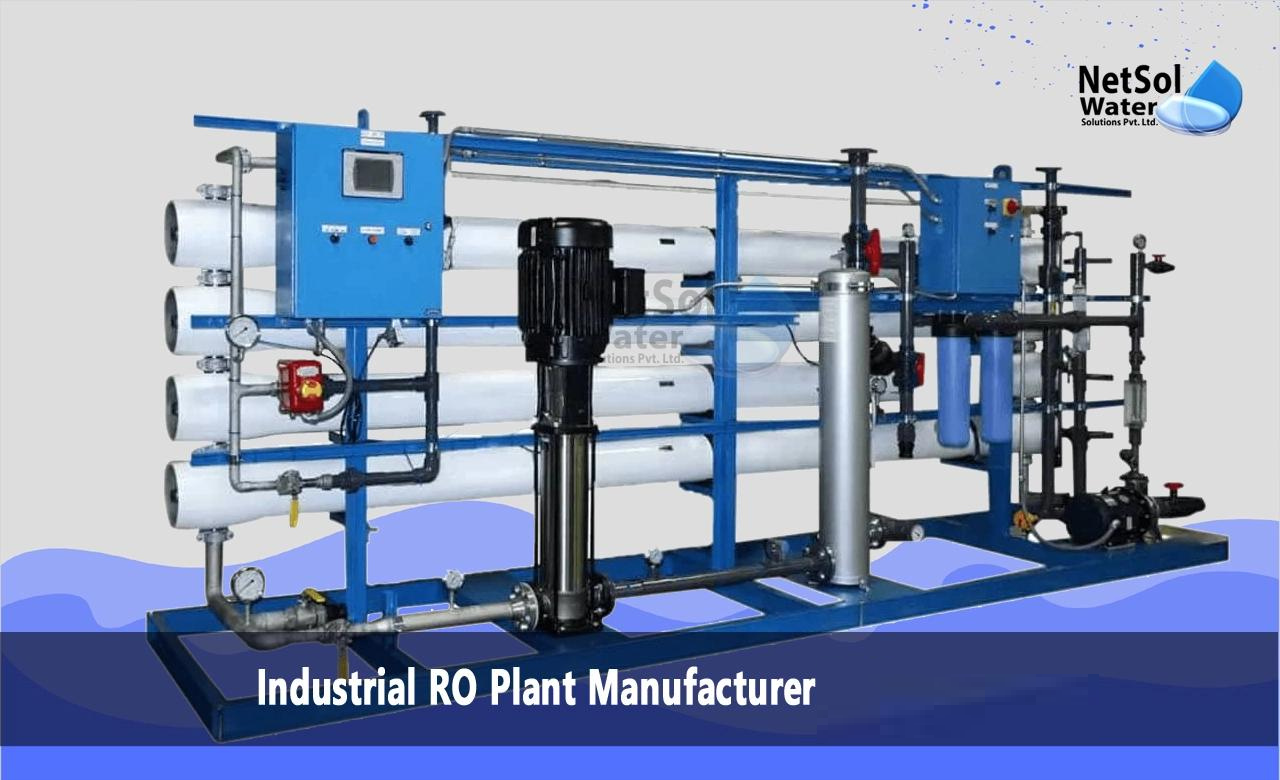
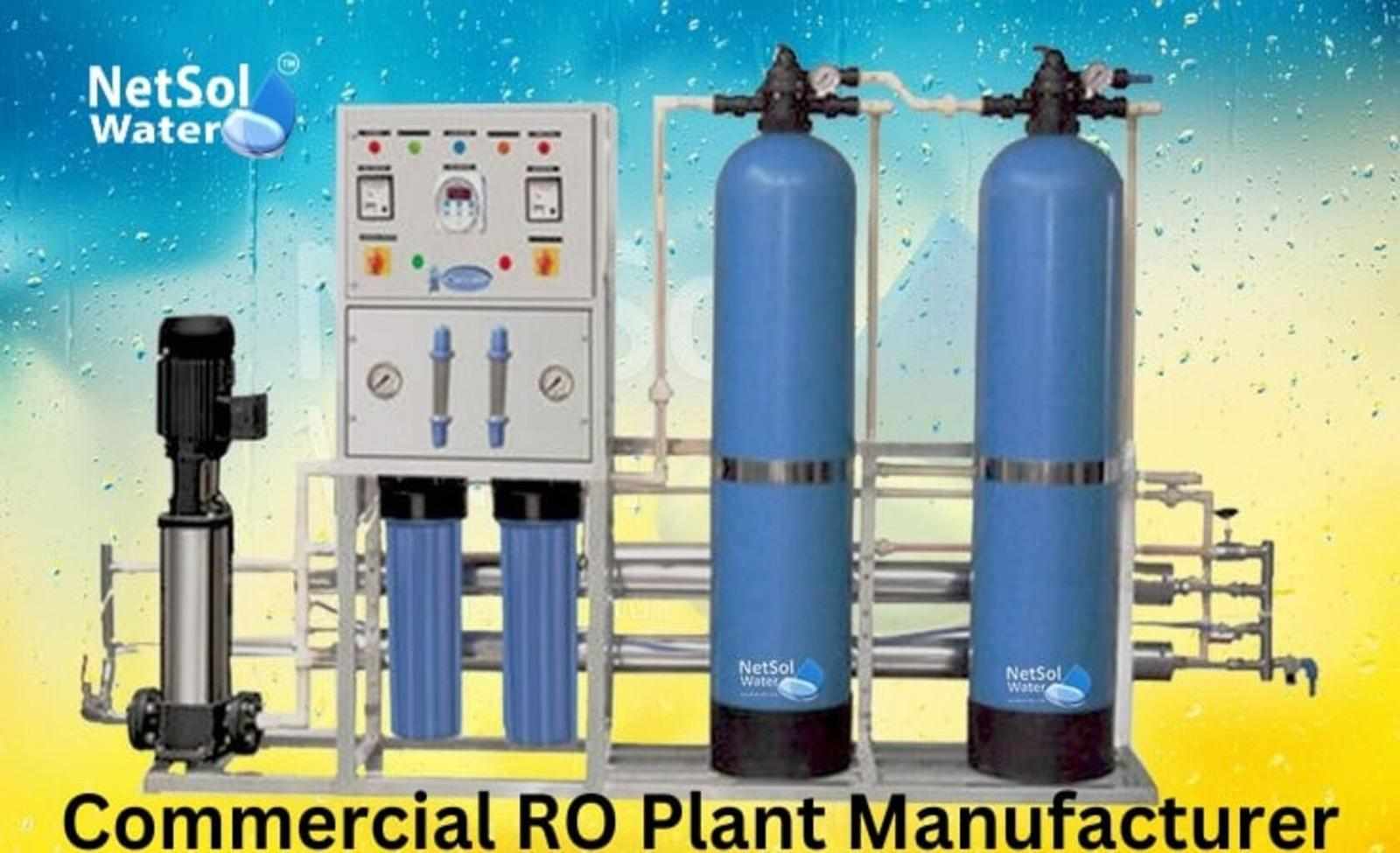
Industrial Reverse Osmosis (RO) plants help industries purify water by removing dissolved impurities and recovering reusable water from different sources. Modern RO systems not only improve water quality but also reduce wastewater, lower operating costs, and support sustainable manufacturing practices. By combining advanced membrane technology with smart engineering, manufacturers help industries solve complex wastewater challenges while improving efficiency.
This article explains the major industrial wastewater challenges and how an industrial RO plant manufacturer in Noida provides practical and long-term solutions.
Understanding Industrial Wastewater
Industrial wastewater is very different from domestic wastewater. Its composition depends on the manufacturing process, raw materials, chemicals, and production methods used by each industry.
Industrial wastewater may contain:
High Total Dissolved Solids (TDS)
Suspended solids
Heavy metals
Organic pollutants
Oil and grease
Acids and alkalis
Chemical residues
High Biological Oxygen Demand (BOD)
High Chemical Oxygen Demand (COD)
If untreated wastewater enters natural water bodies, it can damage ecosystems, contaminate groundwater, and create environmental hazards. Therefore, industries need advanced water treatment systems that can effectively remove these contaminants.
Challenge 1: High Total Dissolved Solids (TDS)
One of the biggest wastewater challenges for industries is high TDS.
Excess dissolved salts reduce water quality and make it unsuitable for industrial reuse. High TDS also causes scaling in pipelines, boilers, cooling towers, and production equipment.
An experienced industrial RO plant manufacturer in Noida designs RO systems that remove dissolved salts efficiently through semi-permeable membrane technology.
The result is high-quality purified water that supports reliable industrial operations while reducing scaling problems.
Challenge 2: Water Scarcity
Many industries depend on groundwater or municipal water supplies. However, increasing demand and declining freshwater availability have created serious challenges.
Instead of relying only on fresh water, industries now recycle treated wastewater through industrial RO plants.
Recovered water can often be reused for:
Cooling systems
Boiler feed after suitable treatment
Process water
Cleaning operations
Utility applications
Gardening
This approach reduces freshwater consumption and lowers water procurement costs.
Challenge 3: Variable Water Quality
Industrial water sources often vary in quality throughout the year.
Seasonal changes, groundwater fluctuations, and process variations affect water composition.
Professional manufacturers overcome this challenge by designing customized pretreatment systems before the RO plant.
Pretreatment may include:
Sand filtration
Activated carbon filtration
Water softening
Micron cartridge filters
Chemical dosing
These systems protect RO membranes and maintain consistent plant performance.
Challenge 4: Membrane Fouling
RO membranes are the heart of every Industrial RO Plant.
However, suspended solids, hardness, biological growth, and organic matter can gradually foul membrane surfaces.
Membrane fouling reduces water recovery and increases operating costs.
Manufacturers reduce fouling by:
Installing efficient pretreatment systems
Optimizing operating pressure
Selecting premium membranes
Implementing automatic flushing systems
Scheduling membrane cleaning
Proper membrane protection improves plant efficiency while extending membrane life.
Challenge 5: High Water Rejection
Traditional RO plants often discharged a large amount of reject water.
Modern industrial RO plant manufacturers in Noida focus on improving water recovery through advanced engineering.
Several methods help reduce water rejection:
Multi-stage RO systems
Optimized membrane selection
Pressure optimization
Flow balancing
Reject water recovery systems
These improvements increase purified water production while reducing wastewater generation.
Challenge 6: High Energy Consumption
Energy costs represent a significant portion of RO plant operating expenses.
Poorly designed systems consume unnecessary electricity because of oversized pumps or inefficient operation.
Manufacturers reduce energy consumption by using:
High-efficiency pumps
Variable Frequency Drives (VFDs)
Energy-saving motors
Optimized operating pressure
Smart automation
These improvements lower operating costs without affecting water quality.
Challenge 7: Scaling and Mineral Deposits
Hard water contains calcium, magnesium, silica, and other minerals that form deposits inside RO membranes and pipelines.
Scaling reduces water flow and increases maintenance requirements.
Manufacturers prevent scaling through:
Water softening
Antiscalant dosing
Proper pretreatment
Continuous monitoring
Scheduled membrane cleaning
Preventing scale formation keeps the RO plant operating efficiently for longer periods.
1. Smart Automation Improves Plant Performance
Modern industrial RO plants include intelligent monitoring systems that continuously measure important operating parameters.
Automation monitors:
Pressure
Flow rate
TDS
Conductivity
Pump operation
Membrane performance
Whenever abnormal conditions occur, the system immediately alerts operators.
This reduces downtime while improving plant reliability.
2. Customized System Design
Every industry has different water treatment requirements.
An experienced industrial RO plant manufacturer in Noida studies:
Feed water quality
Daily water demand
Industry type
Available installation space
Future expansion requirements
Water reuse objectives
Based on these factors, engineers design customized RO systems that maximize water recovery while minimizing operating costs.
Challenge 8: Effective Reject Water Management
Every reverse osmosis system produces a reject stream that contains concentrated dissolved salts and impurities. In older systems, this reject water was often discharged without considering its potential value. Modern industries are now looking for ways to recover as much water as possible.
A reliable Industrial RO Plant Manufacturer in Noida designs systems that reduce reject water and improve overall recovery. Depending on the application, manufacturers may recommend:
Multi-stage RO systems
Reject water recovery units
Intermediate storage and reuse
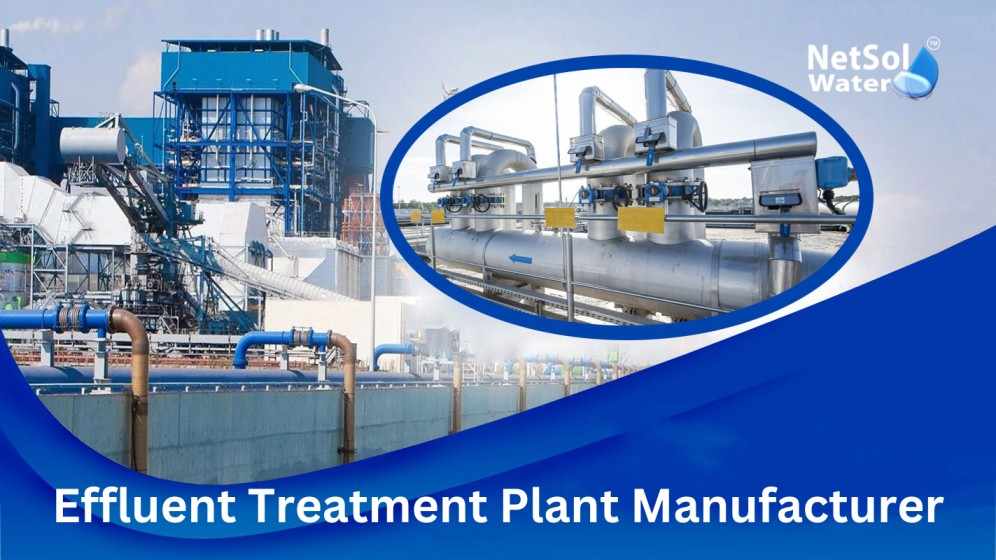
Integration with effluent treatment systems
Zero Liquid Discharge (ZLD) solutions for industries with strict water recovery goals
With the right design, industries can recover a larger percentage of usable water while reducing wastewater disposal costs.
Challenge 9: Meeting Strict Water Quality Requirements
Different industries require different water quality standards. For example, pharmaceutical and electronics industries often need water with very low dissolved solids, while food processing industries require consistent water quality for production and cleaning.
An experienced manufacturer studies the required output quality before designing the RO plant. Additional polishing systems may be included whenever necessary to achieve the desired water quality.
This customized approach ensures that industries receive water that matches their production requirements without unnecessary operating costs.
Advanced Membrane Technology Improves Performance
The membrane is the most important component of any Industrial RO plant. Modern membrane technology has improved significantly over the years.
High-quality membranes provide several benefits:
Higher water recovery
Better salt rejection
Improved resistance to fouling
Longer operating life
Lower maintenance requirements
Manufacturers carefully select membranes based on feed water characteristics instead of using the same membrane for every project. This improves both performance and reliability.
Preventive Maintenance Reduces Downtime
Even the most advanced RO plant requires regular maintenance to perform efficiently.
A professional industrial RO plant manufacturer in Noida recommends preventive maintenance rather than waiting for equipment failure.
Routine maintenance usually includes:
Membrane inspection
Membrane cleaning
Pump servicing
Pressure vessel inspection
Cartridge filter replacement
Pipeline inspection
Instrument calibration
Preventive maintenance helps maintain water quality while extending the life of the entire treatment system.
Digital Monitoring and Remote Support
Modern industrial RO plants increasingly include digital monitoring systems that provide real-time operational information.
Operators can continuously monitor:
Feed water quality
Product water quality
Pressure levels
Flow rates
Conductivity
Membrane performance
Energy consumption
Some systems also allow remote monitoring, enabling technical experts to identify performance issues quickly and recommend corrective actions without unnecessary delays.
This improves system reliability and minimizes production interruptions.
Operator Training Improves Plant Efficiency
Technology alone cannot guarantee successful operation. Skilled operators are equally important.
Many industrial RO plant manufacturers in Noida provide operator training after installation.
Training generally covers:
Plant startup and shutdown
Daily operating procedures
Membrane cleaning
Routine inspections
Troubleshooting
Safety practices
Record keeping
Well-trained operators help maintain consistent water quality while reducing avoidable operating mistakes.
Supporting Sustainable Manufacturing
Sustainability has become an important objective for industries across Noida. Customers, investors, and regulatory authorities increasingly expect businesses to reduce their environmental impact.
Industrial RO plants contribute to sustainability by:
Conserving freshwater resources
Increasing water reuse
Reducing wastewater discharge
Lowering chemical consumption through optimized operation
Improving production efficiency
Supporting responsible resource management
These benefits help industries strengthen their environmental performance while maintaining business growth.
Choosing the Right Industrial RO Plant Manufacturer in Noida
Selecting the right industrial RO plant manufacturer is essential for achieving long-term performance.
A dependable manufacturer provides complete project support, from water analysis and system design to installation and after-sales service.
Before making a decision, industries should consider:
Experience in industrial water treatment
Ability to provide customized solutions
Quality of membranes and equipment
Engineering expertise
Installation capability
Availability of spare parts
Annual maintenance services
Technical support
Customer references
Proven project experience
Choosing an experienced partner reduces operational risks and improves the overall return on investment.
The Future of Industrial RO Technology
Industrial water treatment continues to evolve with new technologies that improve efficiency and reduce operating costs.
Some important trends include:
Artificial Intelligence (AI)-based process optimization
Internet of Things (IoT) monitoring
Predictive maintenance
Smart sensors
Energy recovery devices
High-efficiency membrane materials
Automated process control
These innovations will help industries recover more water while reducing energy consumption and maintenance requirements.
Long-Term Business Benefits
Installing a modern Industrial RO plant provides several long-term advantages beyond water purification.
These include:
Lower freshwater consumption
Reduced production costs
Better equipment protection
Improved process reliability
Reduced maintenance expenses
Greater compliance with environmental standards
Enhanced corporate sustainability
Better resource utilization
As water becomes more valuable, these benefits continue to increase over time.
Conclusion
Industrial wastewater management has become a critical priority for businesses in Noida. Rising water demand, increasing pollution, high dissolved solids, membrane fouling, scaling, strict environmental regulations, and growing sustainability expectations require industries to adopt smarter water treatment solutions.
A trusted industrial RO plant manufacturer in Noida helps industries overcome these challenges through customized plant design, advanced membrane technology, efficient pretreatment, smart automation, preventive maintenance, reject water management, and water reuse strategies. These solutions improve water recovery, reduce operational costs, and ensure reliable system performance.
Investing in a modern industrial RO plant is more than a technical upgrade. It is a strategic investment in operational efficiency, environmental responsibility, and long-term business success. By partnering with an experienced manufacturer, industries can secure a dependable water treatment solution that supports productivity while conserving one of the world's most valuable resources.

Write a comment ...