The food and beverage industry uses large quantities of water every day. Water is required for processing, washing raw materials, cleaning equipment, bottle and container washing, floor cleaning, cooling, steam generation, and other operations. As a result, these facilities can also generate significant quantities of wastewater.
This wastewater cannot always be discharged directly because it may contain organic matter, suspended solids, oils and grease, chemicals, nutrients, cleaning agents, and other contaminants. If poorly managed, wastewater can create environmental problems, affect compliance, and increase the operating burden on a manufacturing facility.
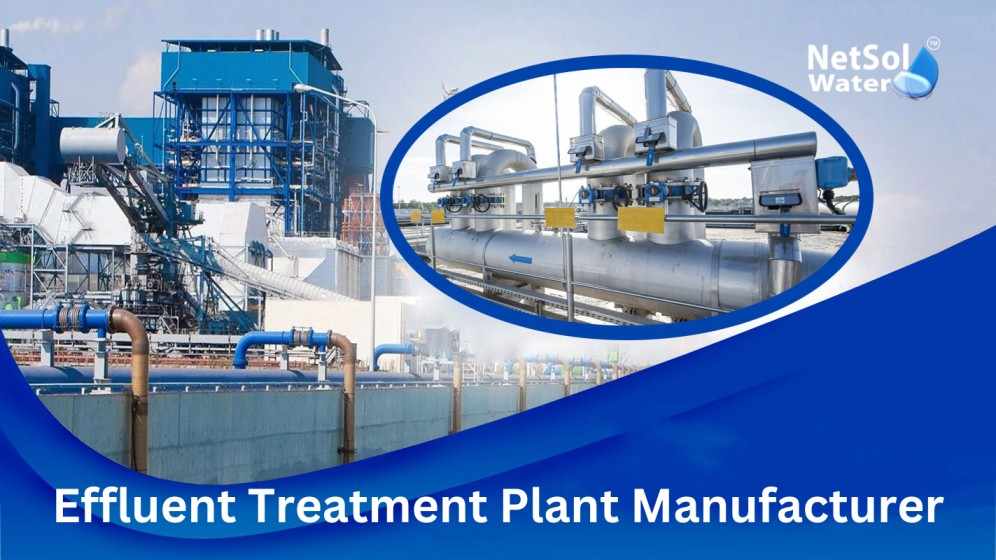
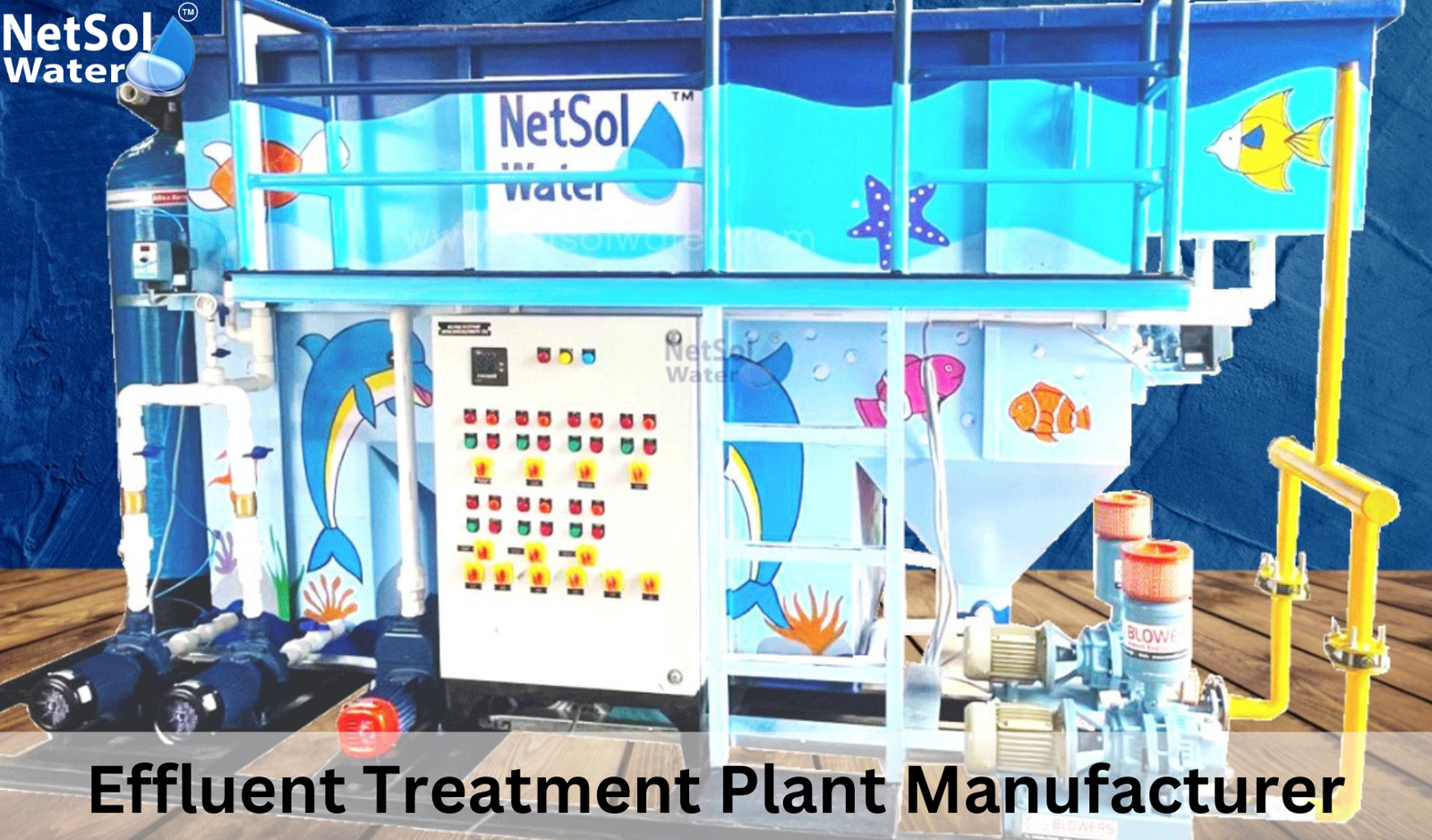
An Effluent Treatment Plant (ETP) provides a structured way to treat industrial wastewater before its discharge or reuse. For food and beverage manufacturers looking for an effluent treatment plant manufacturer in Gurgaon, the most important consideration is not simply the size or price of the plant. The treatment process should be designed around the actual wastewater characteristics, production process, required treated-water quality, available space, and future operating needs.
This beginner-friendly guide explains how ETPs work, why they are important for food and beverage industries, the major treatment stages, water-reuse opportunities, maintenance requirements, and what to consider before selecting an ETP manufacturer.
What Is an Effluent Treatment Plant?
An effluent treatment plant is a wastewater treatment system designed to reduce pollutants from industrial effluent.
In a food and beverage facility, wastewater can come from different sources, including:
Production processes
Equipment cleaning
Floor washing
Raw-material washing
Bottle and container washing
CIP operations
Boiler and utility areas
Cooling operations
Packaging-related activities
The characteristics of wastewater can vary considerably depending on the type of food or beverage being manufactured.
An ETP typically uses a combination of physical, chemical, and biological treatment processes to reduce pollutants and produce treated water suitable for the intended discharge or reuse purpose.
Why Do Food & Beverage Industries Need an ETP?
Food and beverage wastewater may appear relatively harmless because it often comes from food-related processes. However, it can contain a significant organic load.
For example, wastewater from food processing may contain:
Food particles
Sugars
Proteins
Fats and oils
Suspended solids
Organic matter
Detergents
Cleaning chemicals
Nutrients
Variable pH
These substances can increase parameters such as BOD and COD.
1. What Is BOD?
BOD stands for Biochemical Oxygen Demand.
It indicates the amount of oxygen microorganisms need to biologically break down biodegradable organic matter in water.
A high BOD generally indicates a higher biodegradable organic load.
2. What Is COD?
COD stands for Chemical Oxygen Demand.
It measures the oxygen equivalent required to chemically oxidize substances present in wastewater.
COD is generally broader than BOD because it accounts for both biodegradable and some non-biodegradable substances.
An effective ETP aims to reduce these pollutants to the level required for the intended discharge or reuse application.
Wastewater Characteristics in Food & Beverage Plants
Not every food and beverage facility generates the same type of wastewater.
A dairy plant may produce wastewater containing milk residues, fats, proteins, and cleaning chemicals.
A beverage facility may generate wastewater containing sugars, flavoring materials, color, and cleaning chemicals.
A bakery may generate wastewater containing flour, dough residues, oils, and organic matter.
A food-processing plant may generate wastewater containing:
Food particles
Oils and grease
Organic solids
Proteins
Carbohydrates
Cleaning agents
Therefore, there is no single ETP design that is ideal for every facility.
The wastewater itself should determine the treatment process.
Wastewater Testing Before ETP Design
Before selecting an ETP, the wastewater should be tested.
This is one of the most important steps in the entire project.
Depending on the process, testing may include:
pH
BOD
COD
TSS
TDS
Oil and grease
Ammonia
Total nitrogen
Phosphorus
Chlorides
Sulphates
Temperature
Other industry-specific parameters
The exact testing requirements depend on the production process and the intended treatment objective.
A manufacturer can use this information to determine the appropriate treatment stages, equipment sizing, biological process, chemical dosing, aeration requirements, sludge handling, and polishing stages.
How Does an ETP Work?
A typical food and beverage ETP may follow a sequence such as:
Collection → Screening → Equalization → pH Correction → Primary Treatment → Biological Treatment → Secondary Clarification → Tertiary Treatment → Discharge or Reuse
The exact configuration can vary.
Let's understand the major stages in simple language.
1. Effluent Collection
Wastewater from different parts of the facility is collected and directed toward the treatment plant.
Good collection-system design is important because untreated effluent should reach the ETP without unnecessary leakage, blockages, or uncontrolled mixing.
Where different wastewater streams have significantly different characteristics, segregation may be useful.
2. Screening
Screening is usually one of the first physical treatment stages.
Screens remove larger solids such as:
Food particles
Plastic pieces
Packaging material
Fibrous matter
Other floating debris
Removing large solids at the beginning helps protect pumps and downstream equipment.
3. Oil and Grease Removal
Some food-processing operations generate wastewater containing oils and grease.
Excessive oil and grease can interfere with biological treatment and may cause operational problems.
A suitable oil and grease separation stage may therefore be included where required.
The exact arrangement depends on the wastewater characteristics.
4. Equalization Tank
Wastewater flow and quality can change significantly during food and beverage production.
For example, wastewater generated during cleaning may have very different characteristics from wastewater produced during normal processing.
An equalization tank helps balance these variations.
It can provide:
More stable flow
More consistent pollutant loading
Better pH control
Improved biological-treatment conditions
Equalization is particularly useful when the facility operates in batches or has significant variations between production and cleaning cycles.
5. pH Correction
Food and beverage wastewater can sometimes be acidic or alkaline.
Cleaning chemicals, detergents, and process materials may cause significant pH fluctuations.
Biological treatment generally performs best within an appropriate pH range.
Therefore, pH correction may be required before biological treatment.
Acid or alkaline dosing can be controlled through a suitable automated or semi-automated system.
6. Primary Treatment
Primary treatment is generally used to remove solids and other contaminants before biological treatment.
Depending on the wastewater, this stage may include:
Primary clarification
Dissolved air flotation
Coagulation
Flocculation
Oil separation
The appropriate process depends on the type and concentration of pollutants.
For food and beverage industries, dissolved air flotation can be useful in applications where fats, oils, grease, and suspended solids need effective separation.
7. Biological Treatment
Biological treatment is one of the most important stages of many food and beverage ETPs.
Microorganisms are used to break down biodegradable organic matter.
Different biological processes can be considered depending on the wastewater and project requirements.
Common technologies include:
A. MBBR
Moving Bed Biofilm Reactor systems use small carrier media on which microorganisms grow.
The media provide a surface for biological activity and can support stable treatment in a relatively compact system.
B. SBR
Sequencing Batch Reactor technology performs different treatment stages in the same reactor through a timed sequence.
A typical cycle may include:
Fill → React → Settle → Decant
SBR systems can be useful where batch operation and process flexibility are suitable.
C. Conventional Activated Sludge
This process uses suspended microorganisms to biologically degrade organic matter.
The choice between technologies should be based on wastewater characteristics, flow pattern, required treatment level, available area, automation preferences, and operating conditions.
8. Secondary Clarification
After biological treatment, microorganisms and suspended solids need to be separated from the treated water.
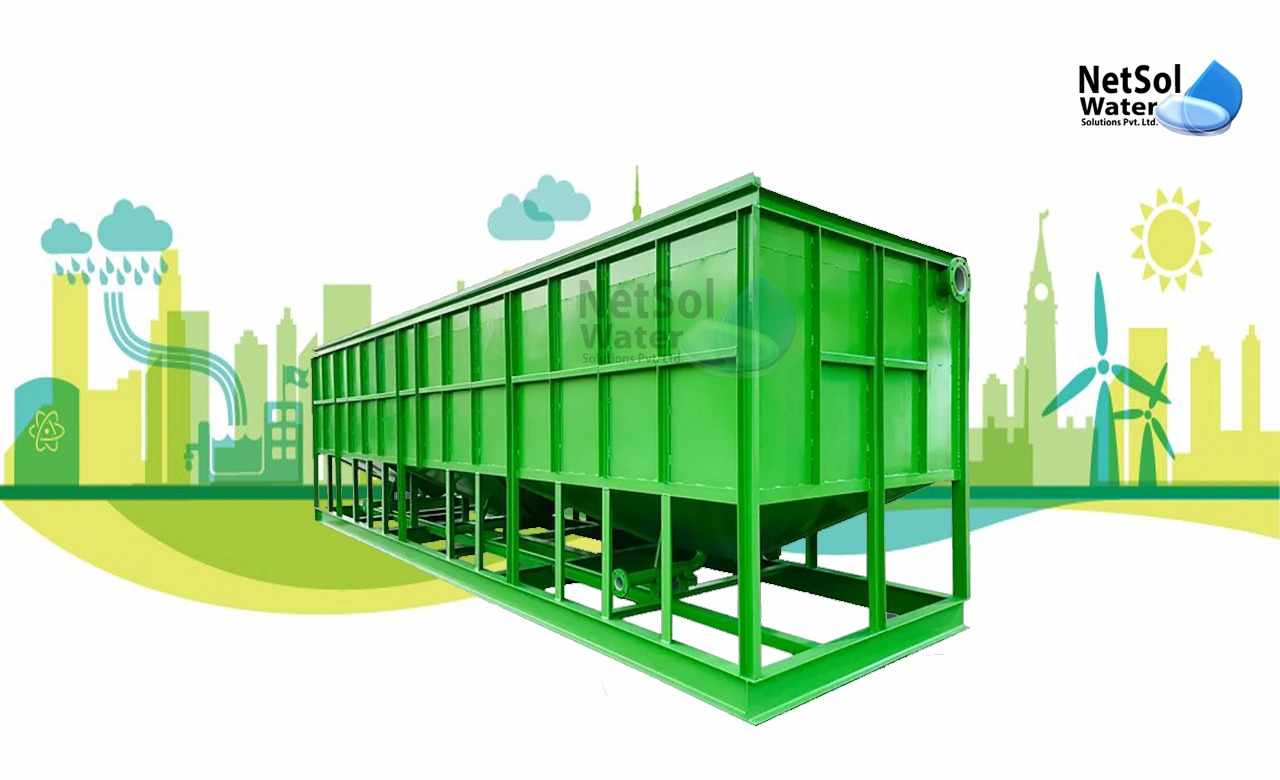
A secondary clarifier allows biological solids to settle.
The clarified water moves forward for further treatment, while settled sludge may be returned to the biological process or sent for sludge management depending on the system design.
9. Tertiary Treatment
The quality required after biological treatment depends on the final application.
Additional treatment may be required to improve water quality.
Tertiary treatment can include:
Pressure sand filtration
Activated carbon filtration
Micron filtration
Disinfection
Ultrafiltration
RO
Other polishing technologies
The exact combination depends on whether the water is intended for discharge or reuse.
10. Disinfection
If treated water is intended for a reuse application, disinfection may be required.
Common methods include:
1. UV
UV can inactivate microorganisms without adding chemicals to the water.
2. Chlorination
Chlorine-based treatment can provide disinfection and residual protection where appropriate.
3. Ozone
Ozone can provide oxidation and disinfection in selected applications.
The correct method should be selected based on the intended reuse and water-quality requirements.
Food & Beverage Applications of ETPs
ETPs can support wastewater management in a wide range of food and beverage industries.
1. Dairy Industry
Dairy wastewater can contain milk residues, fats, proteins, detergents, and other organic substances.
The wastewater may have a relatively high organic load, making appropriate biological treatment important.
A properly designed ETP can help reduce the pollutant load before discharge or reuse.
2. Beverage Industry
Beverage plants may generate wastewater containing:
Sugars
Syrups
Flavoring materials
Color
Suspended solids
Cleaning chemicals
Production changeovers and cleaning operations can also create fluctuations in wastewater characteristics.
Equalization and appropriate biological treatment can help manage these variations.
3. Food Processing Plants
Food-processing wastewater can contain food particles, oils, grease, proteins, carbohydrates, and other organic matter.
Screening and primary separation are particularly important where significant solids or fats are present.
4. Bakery Industry
Bakery wastewater can contain flour, dough residues, oils, fats, and cleaning chemicals.
The treatment process should be designed to manage the specific organic load and suspended solids generated by the facility.
5. Meat and Poultry Processing
These facilities can generate wastewater containing high levels of organic matter, suspended solids, fats, oils, and other contaminants.
Such applications often require strong pretreatment followed by biological treatment.
Why Equalization Is Important in Food & Beverage ETPs
One of the biggest challenges in food and beverage wastewater treatment is variation.
Wastewater generated during production may be very different from wastewater generated during cleaning.
For example, a cleaning operation may introduce detergents or chemicals that suddenly change the wastewater pH.
An equalization tank helps smooth these fluctuations before the water enters biological treatment.
This can improve process stability and reduce stress on downstream treatment units.
1. Importance of Sludge Management
ETPs generate sludge during treatment.
Sludge can come from:
Primary clarification
Biological treatment
Chemical treatment
Other separation processes
The sludge needs to be properly collected, thickened, dewatered, stored, and managed according to applicable requirements.
Common sludge-dewatering equipment includes:
Filter press
Screw press
Centrifuge
The choice depends on sludge characteristics and plant capacity.
A good ETP design therefore considers sludge management from the beginning, rather than treating it as an afterthought.
Water Recycling Through ETP
Modern wastewater treatment is increasingly moving beyond simple disposal.
An ETP can become the first stage of a water-recycling system.
A possible treatment arrangement is:
ETP → Tertiary Treatment → UF → RO → Reuse
Depending on the required quality, additional treatment may be included.
Recycled water may potentially be used for suitable applications such as:
Gardening
Floor washing
Cooling
Toilet flushing
Utility operations
Other non-product-contact applications
The specific reuse application should be selected only after evaluating the treated-water quality and applicable requirements.
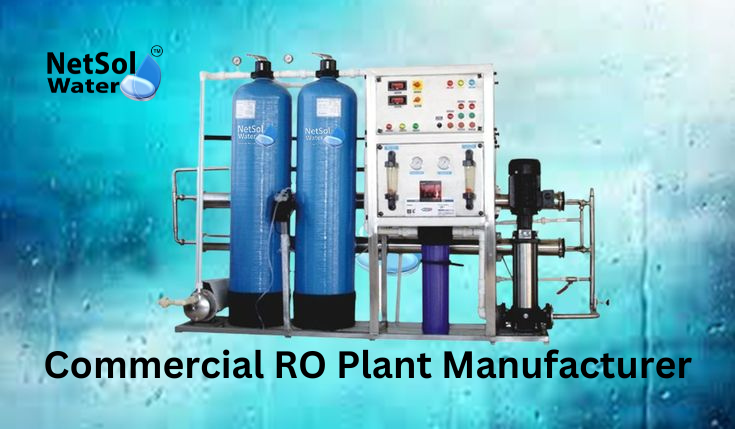
ETP and RO: What Is the Difference?
Beginners often confuse an ETP with an RO plant because both are water-treatment technologies.
However, they have different purposes.
An ETP primarily treats industrial wastewater and reduces pollutants such as organic matter, suspended solids, oils, and other contaminants.
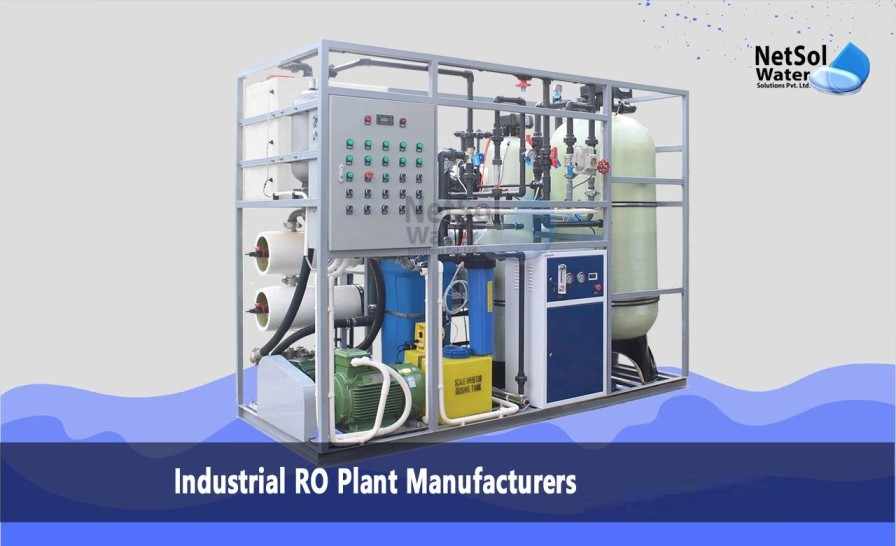
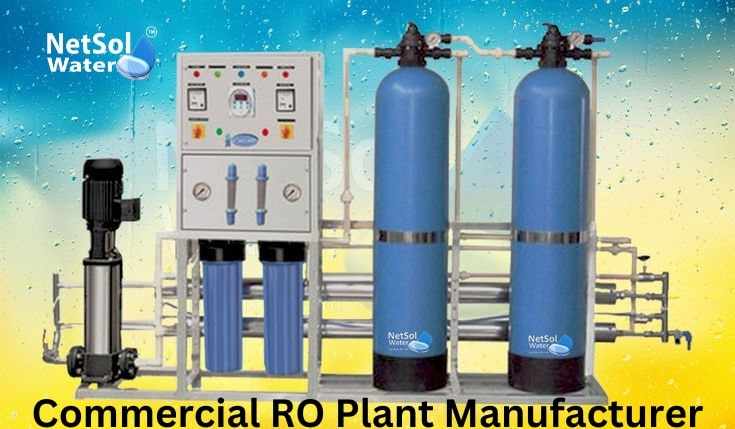
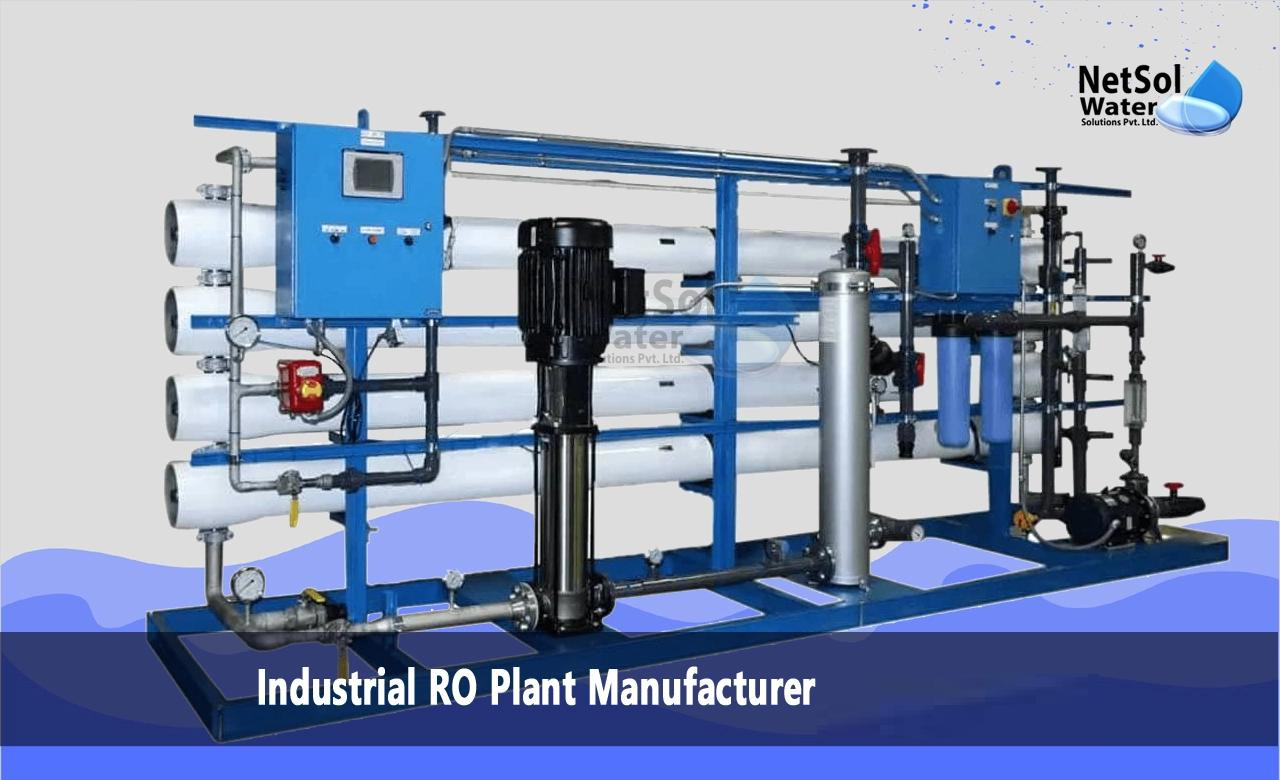
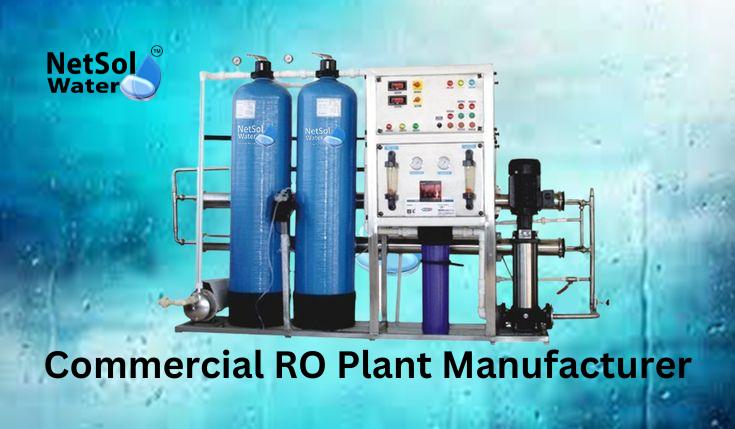
An RO plant is primarily used to reduce dissolved salts and other dissolved substances.
They can work together.
For example:
Industrial Wastewater → ETP → Tertiary Treatment → RO → Recycled Water
In such a system, the ETP removes the major wastewater pollutants before membrane-based polishing.
How to Choose an ETP Manufacturer in Gurgaon
Choosing the right effluent treatment plant manufacturer is an important long-term decision.
Here are some factors beginners should consider.
1. Start With Wastewater Analysis
Never finalize an ETP only from the daily flow rate.
The pollutant characteristics matter just as much.
2. Ask for a Process Flow Diagram
A professional manufacturer should be able to explain how wastewater will move through the treatment system.
3. Understand the Biological Technology
Ask why the manufacturer has selected MBBR, SBR, activated sludge, or another process.
The technology should match the wastewater characteristics.
4. Check Automation
Automation can help operators monitor:
pH
Dissolved oxygen
Flow
Pump operation
Chemical dosing
Aeration
Alarms
The appropriate automation level depends on plant size and operational requirements.
5. Consider Sludge Management
Ask how much sludge is expected and how it will be dewatered and handled.
6. Evaluate After-Sales Support
An ETP is not a one-time purchase.
It requires regular operation, maintenance, troubleshooting, and periodic servicing.
Why Choose Netsol Water for Food & Beverage ETP Solutions?
When searching for an effluent treatment plant manufacturer in Gurgaon, businesses should look for a company that understands both the treatment process and the practical challenges of operating an industrial wastewater plant.
Netsol Water provides wastewater-treatment solutions for commercial and industrial applications.
For food and beverage facilities, an ETP can be planned around:
Wastewater flow
BOD and COD load
pH variations
Suspended solids
Oil and grease
Production pattern
Cleaning operations
Available space
Treated-water requirements
Sludge management
Water-reuse goals
A project-specific approach is particularly important because wastewater from a dairy plant can be very different from wastewater from a beverage factory or bakery.
How Much Does an ETP Cost?
There is no universal price for an ETP.
The project cost depends on:
Treatment capacity
Wastewater characteristics
Required treatment level
Selected technology
Civil work
Equipment
Automation
Sludge-dewatering system
Tertiary treatment
Installation
Piping
Electrical work
Water-recycling requirements
Therefore, businesses should not compare ETP quotations only by their total price.
A better comparison considers lifecycle cost.
This includes:
Electricity
Chemicals
Labour
Maintenance
Sludge disposal
Replacement parts
Membrane costs where applicable
Downtime
A system with a higher initial cost can sometimes be more economical if it is easier to operate and maintain.
Maintenance of an ETP
Regular maintenance is essential for reliable treatment.
Operators should routinely monitor:
pH
Flow
BOD
COD
TSS
Dissolved oxygen
Sludge condition
Chemical dosing
Pump performance
Blower performance
Filter pressure
Treated-water quality
Biological systems need special attention because microorganisms are responsible for much of the treatment.
Sudden changes in pH, toxic chemicals, excessive cleaning chemicals, or hydraulic shock loads can affect biological activity.
Regular inspection and monitoring can help identify problems before they become major failures.
Common Mistakes When Buying an ETP
1. Choosing Only Based on Capacity
Two plants with the same flow rate can require completely different treatment systems because their wastewater characteristics differ.
2. Ignoring Wastewater Testing
This can result in incorrect process selection.
3. Selecting Technology Without Understanding It
A manufacturer should explain why a particular biological or chemical treatment process has been selected.
4. Ignoring Peak Flow
Daily average flow alone may not represent actual operating conditions.
5. Forgetting Sludge Management
Sludge is a normal output of many ETPs and needs a proper management plan.
6. Treating ETP as a Completely Automatic System
Automation reduces manual intervention but does not eliminate the need for trained operators and regular monitoring.
7. Focusing Only on Initial Cost
Operating expenses can become a significant part of the total cost over the plant's lifetime.
Questions to Ask an ETP Manufacturer Before Installation
Before selecting an ETP manufacturer, ask:
What is the expected wastewater flow?
What is the wastewater analysis?
What are the BOD and COD levels?
What is the pH range?
What are the TSS and oil-and-grease levels?
Which treatment technology is recommended?
Why has this technology been selected?
What treated-water quality is expected?
How will sludge be handled?
What chemicals will be required?
What is the expected power consumption?
How much space is required?
What level of automation is included?
What routine maintenance is required?
Is tertiary treatment required?
Can treated water be reused?
What after-sales support is available?
Can the system be expanded in the future?
These questions can help beginners understand the complete project before making a purchasing decision.
Final Thoughts
An Effluent Treatment Plant Manufacturer in Gurgaon for Food & Beverage Industries should be selected based on technical understanding, wastewater characteristics, process requirements, operating practicality, and long-term support—not simply on the lowest quotation.
Food and beverage wastewater can vary significantly from one facility to another. Dairy wastewater, beverage wastewater, bakery effluent, and food-processing wastewater may all contain different combinations of organic matter, suspended solids, oils, grease, cleaning chemicals, and other pollutants.
A well-designed ETP can combine screening, equalization, pH correction, primary treatment, biological treatment, clarification, tertiary treatment, disinfection, and sludge management as required. When additional water recovery is technically suitable, the ETP can also become part of a broader recycling system using technologies such as UF and RO.
Netsol Water provides industrial wastewater-treatment solutions that can be planned according to project-specific requirements. The final design should always be based on actual wastewater analysis, flow patterns, pollutant loads, required treated-water quality, space, sludge management, and intended reuse or discharge.
Write a comment ...