
Water is an essential part of almost every industrial operation. It may be used for manufacturing, cleaning, cooling, boilers, processing, laboratories, utilities, and other daily activities. However, water from a natural or municipal source may contain dissolved salts, hardness, suspended particles, metals, microorganisms, and other impurities.
Using untreated or poorly treated water can create scaling, corrosion, equipment damage, process problems, and higher maintenance costs. In some industries, inconsistent water quality can even affect the quality of the final product.
An industrial Reverse Osmosis (RO) plant can help address these challenges by reducing many dissolved impurities and producing more consistent water for suitable industrial applications.
For companies searching for an Industrial RO Plant Manufacturer in Gurgaon with Advanced Water Recycling Solutions, the right decision should involve much more than comparing the price of different RO plants. The system needs to match the source-water quality, required capacity, intended application, recovery target, and long-term operating conditions.
This beginner-friendly guide explains how industrial RO plants work, why pretreatment matters, where RO water can be used, how water recycling fits into the picture, and what you should consider before selecting a manufacturer.
What Is an Industrial RO Plant?
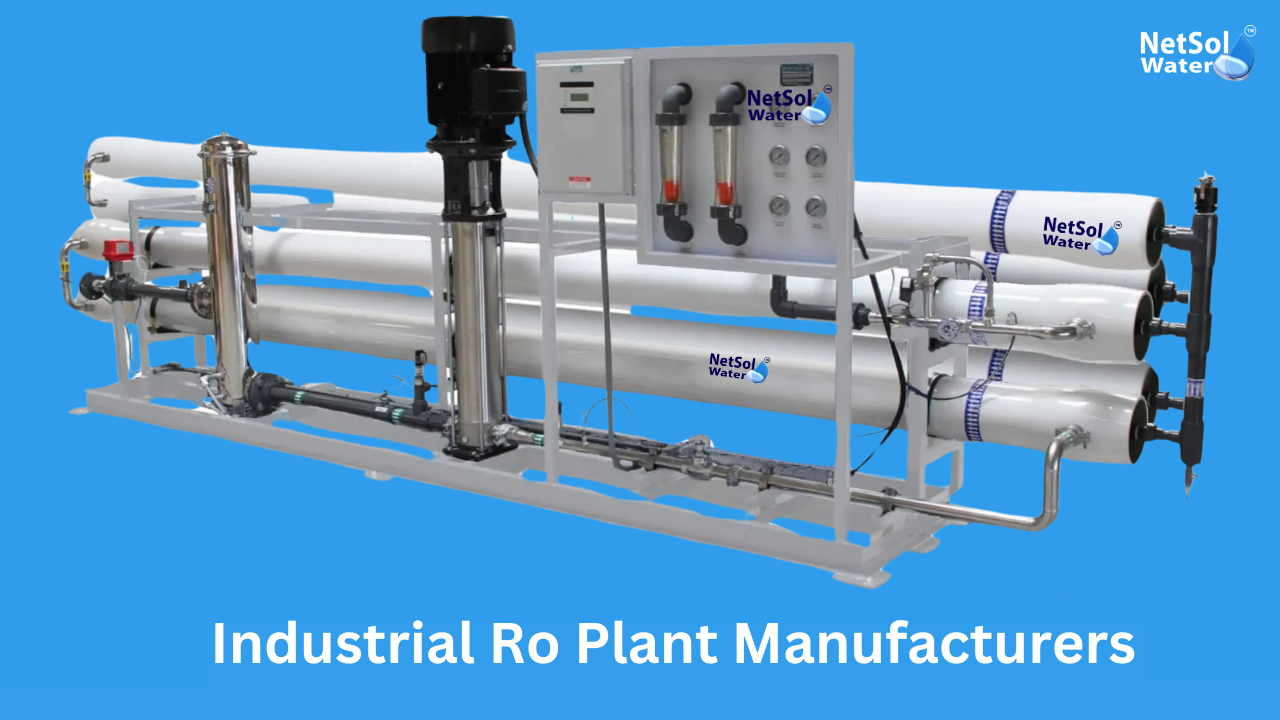
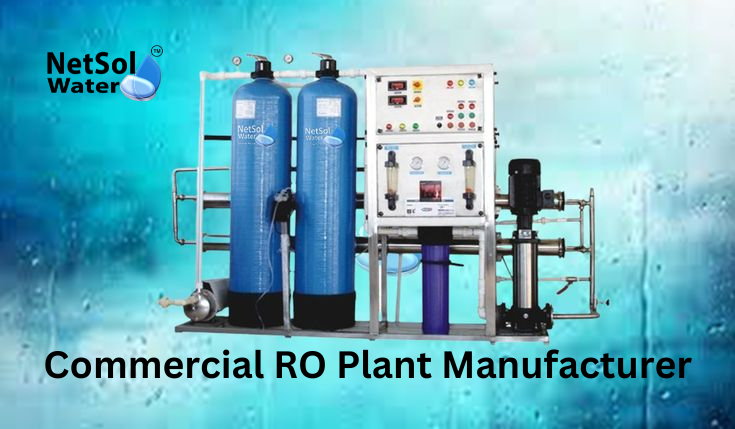
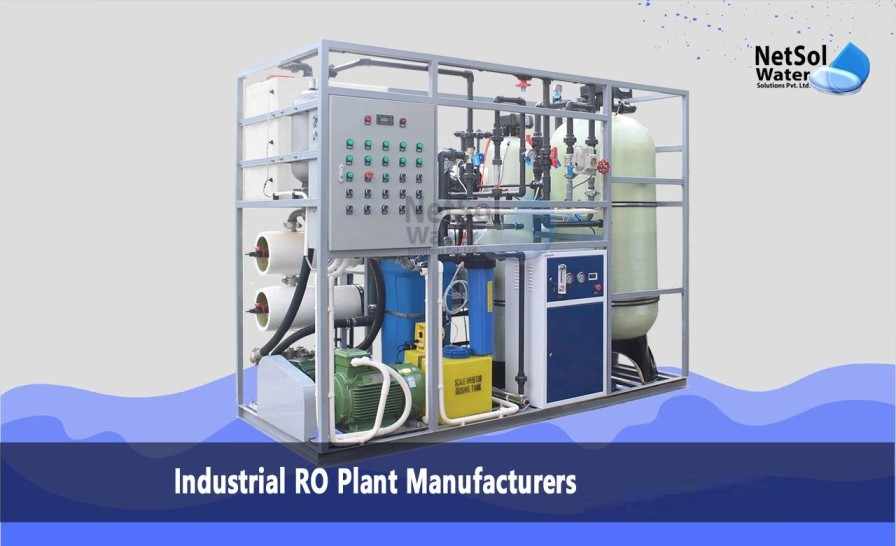
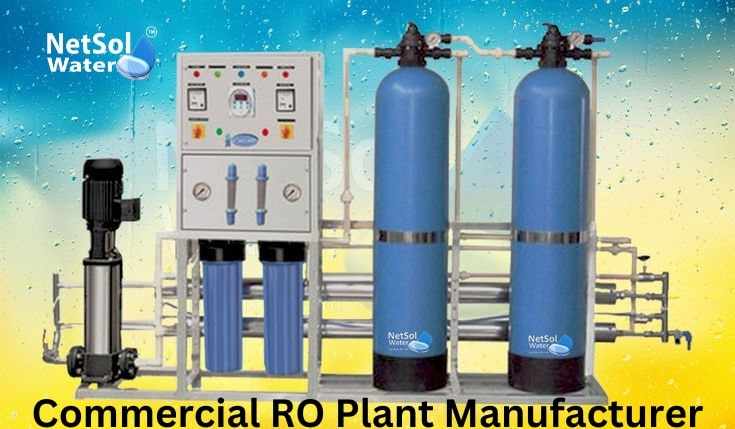
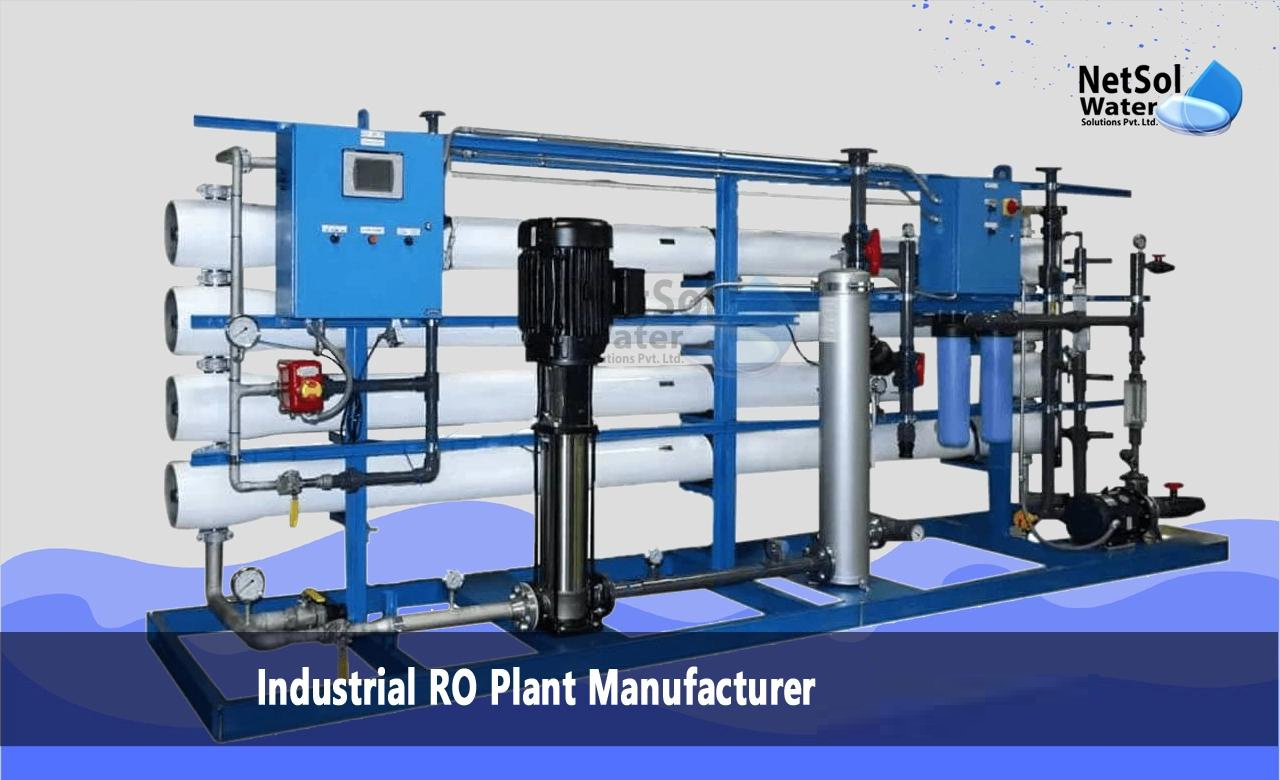
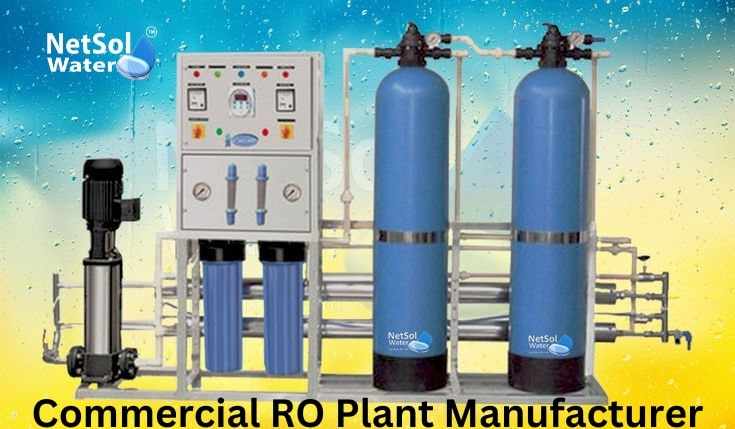
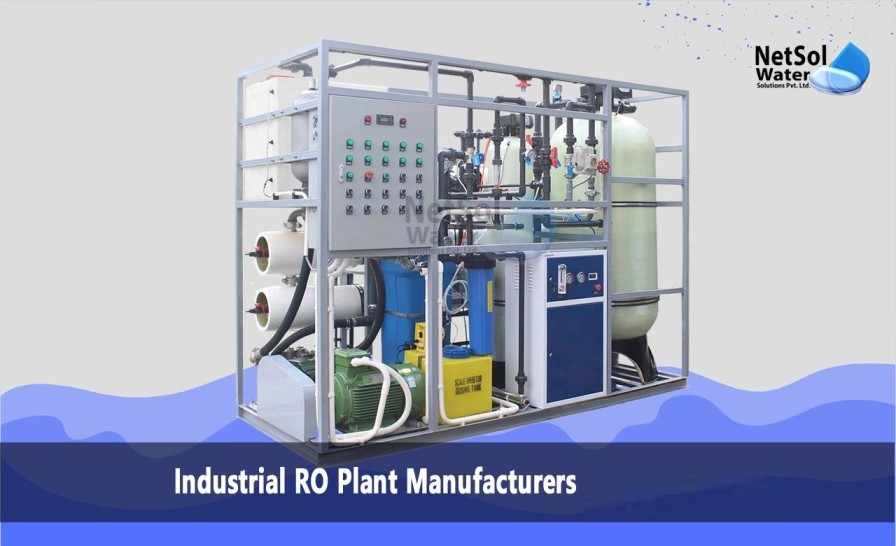
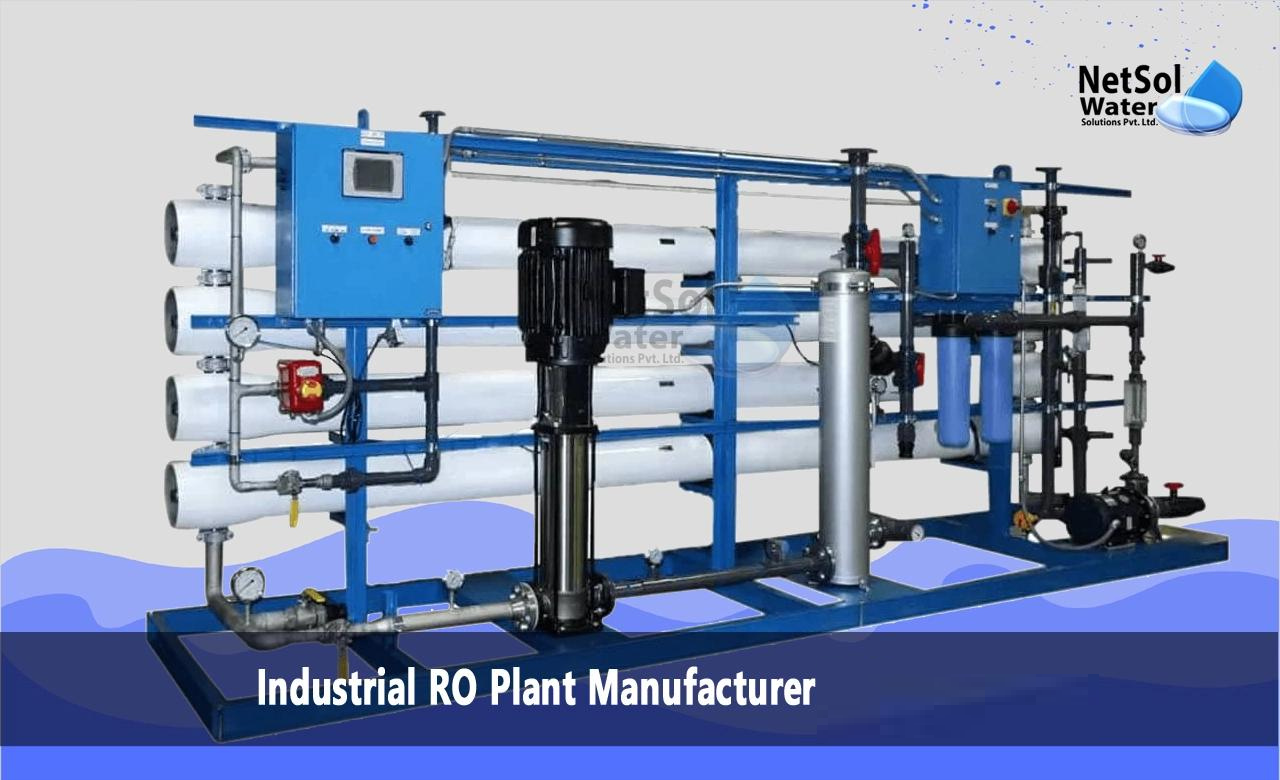
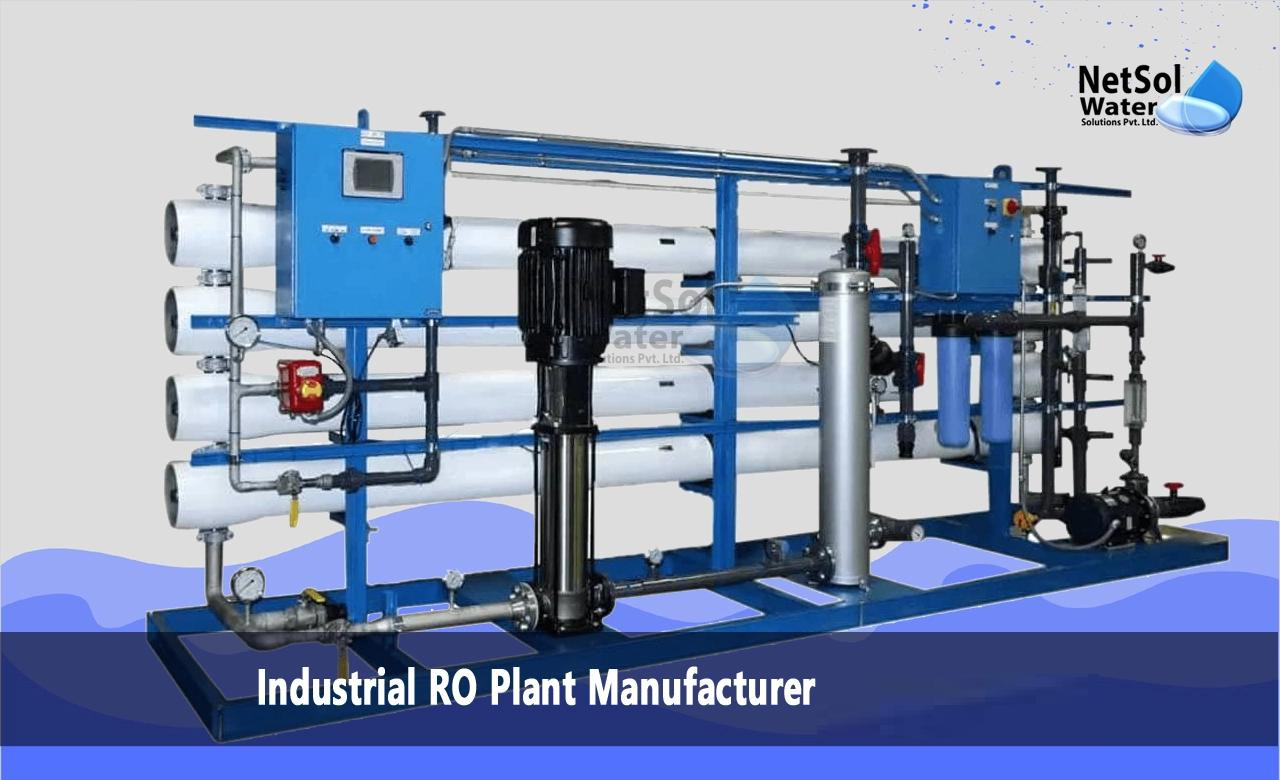
An Industrial RO Plant is a water-treatment system designed to produce purified water for industrial and commercial applications.
RO stands for Reverse Osmosis. It is a membrane-based process that uses pressure to push water through a semi-permeable membrane. The membrane allows water to pass through while retaining a large portion of dissolved salts and other contaminants.
The treated water leaving the membrane is generally called permeate. The concentrated stream containing a higher level of rejected contaminants is called reject or concentrate.
Industrial RO plants are available in different capacities and configurations. A suitable plant should be selected according to actual water demand and source-water conditions.
A plant designed for a small manufacturing facility may be completely different from a system required for a large production unit operating continuously.
Why Do Industries Need RO Water Treatment?
The quality of source water can vary considerably.
Depending on the location and source, water may contain:
Total dissolved solids (TDS)
Calcium and magnesium
Chlorides
Sulphates
Silica
Iron
Suspended solids
Organic matter
Microorganisms
Other dissolved contaminants
These impurities may cause several problems in industrial systems.
1. Scaling
Dissolved minerals can form deposits on equipment, pipelines, heat-transfer surfaces, and membranes.
2. Corrosion
Certain water conditions can increase the risk of corrosion in pipes, tanks, boilers, and other equipment.
3. Process Problems
Some industrial processes require water with controlled chemical characteristics. Poor-quality water can interfere with production.
4. Product Quality Issues
Where water comes into direct or indirect contact with a product, inconsistent water quality can affect manufacturing results.
5. Increased Maintenance
Scaling, fouling, and corrosion can increase cleaning and equipment-maintenance requirements.
By reducing many dissolved contaminants, an RO system can provide more consistent water for applications that require controlled water quality.
How Does an Industrial RO Plant Work?
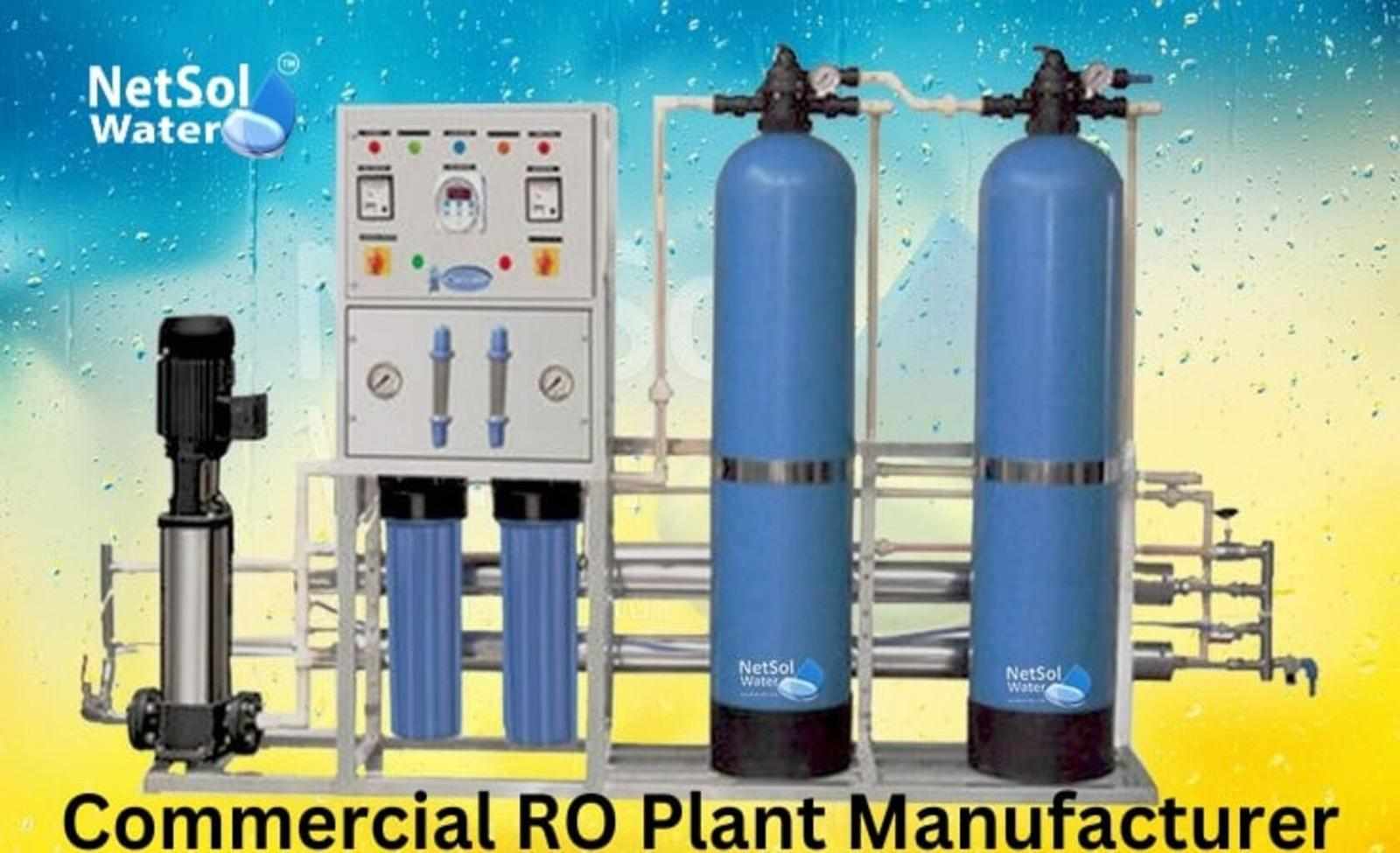
A typical industrial RO system contains several treatment stages.
The exact configuration depends on the feed-water analysis and final water-quality requirement.
A simplified process can be:
Raw Water → Pretreatment → Cartridge Filtration → High-Pressure Pump → RO Membranes → Permeate → Storage/Final Treatment
The reject stream follows a separate route for recovery or appropriate management.
Let's look at the major stages.
1. Raw Water Storage
The incoming water is generally collected in a raw-water storage tank.
The tank provides a stable feed to the treatment system and can help manage variations in the incoming water supply.
The source could be:
Borewell water
Municipal water
Surface water
Treated wastewater
Another suitable industrial water source
The source is important because each type of water can have different treatment requirements.
2. Pretreatment
Pretreatment is one of the most important parts of an industrial RO plant.
RO membranes can be affected by suspended solids, hardness, iron, organic matter, microorganisms, and other substances.
Sending poorly conditioned water directly to the membranes can lead to:
Scaling
Fouling
Pressure increase
Lower permeate production
Higher cleaning frequency
Shorter membrane life
Depending on the feed water, pretreatment can include:
Pressure sand filtration
Activated carbon filtration
Water softening
Iron removal
Antiscalant dosing
Micron filtration
Ultrafiltration
Other specialized processes
The correct combination should be selected after feed-water analysis.
3. Cartridge Filtration
Cartridge filters provide fine filtration before water reaches the RO membranes.
They help remove smaller particles that may remain after the earlier pretreatment stages.
This additional protection can reduce the risk of particulate fouling and help maintain stable RO operation.
4. High-Pressure Pump
RO requires pressure to move water through the membrane.
A high-pressure pump supplies the required operating pressure.
Pump selection can affect:
Energy consumption
System capacity
Pressure stability
Operating cost
Overall efficiency
An appropriately selected pump is therefore an important part of a practical industrial RO design.
5. RO Membranes
The RO membrane is the core of the purification system.
It separates water from a large portion of dissolved salts and other contaminants.
However, membrane performance depends on several factors, including:
Feed-water chemistry
Temperature
Operating pressure
Recovery
Membrane type
Pretreatment
Membrane condition
This is why simply installing a high-quality membrane does not guarantee good results.
The complete system must be designed correctly.
6. Permeate Storage
The purified water produced by the RO membrane is collected in a permeate tank.
From there, it may be supplied to:
Production processes
Boilers
Cooling systems
Utility applications
Further polishing systems
Other suitable industrial uses
Some applications require additional treatment after RO to achieve a specific water-quality specification.
7. RO Reject Management
RO does not recover all feed water as permeate.
A concentrated reject stream is produced because many of the dissolved contaminants retained by the membrane remain in the reject water.
Reject management is therefore an important part of the RO project.
Depending on the wastewater-management strategy, the reject may be:
Recovered further
Treated through additional processes
Reused for suitable purposes where its quality permits
Managed through an appropriate disposal route
A manufacturer should explain the expected recovery and reject quantity before the system is installed.
What Are Advanced Water Recycling Solutions?
An industrial RO system can be part of a larger water-recycling strategy.
Traditional water treatment may focus on producing purified water from a fresh source. Advanced recycling focuses on recovering water from wastewater and using it again where practical.
A recycling system may combine technologies such as:
Effluent Treatment Plant
Ultrafiltration
Reverse Osmosis
Membrane Bioreactor
Tertiary filtration
Disinfection
Multi-stage RO
Concentrate treatment
Evaporation or other advanced processes for specialized applications
The actual configuration depends on the wastewater characteristics and intended reuse.
The goal is not to use every available technology.
The goal is to recover useful water without creating unnecessary complexity.
Why Is Water Recycling Important for Gurgaon Industries?
Industries in Gurgaon may require significant quantities of water for production and utilities. Recovering and reusing suitable treated water can help reduce freshwater demand.
Water recycling may provide several potential advantages.
1. Reduced Freshwater Consumption
When treated water is reused for suitable applications, less fresh water may be required.
2. Better Resource Efficiency
Water can be treated and used more than once instead of being consumed in a single application.
3. Lower Wastewater Discharge
Recycling can reduce the volume of wastewater requiring discharge where reuse is technically and legally appropriate.
4. Improved Sustainability
Water conservation can support broader environmental and sustainability goals.
5. Greater Operational Resilience
Reusing water internally can reduce dependence on external water sources for selected applications.
However, recycling should always be based on water-quality requirements.
A clear-looking wastewater stream is not necessarily suitable for industrial reuse.
Industrial Applications of RO Water
RO-treated water can be used across many sectors.
1. Pharmaceutical Industry
Pharmaceutical manufacturing requires carefully controlled water quality for various processes.
RO may form one part of a larger purification system, with additional treatment used when the application requires it.
2. Food and Beverage Industry
Water quality can affect processing and product consistency.
RO can provide controlled water quality for suitable applications.
3. Textile Industry
Textile manufacturing and processing may require lower-TDS water for certain processes.
RO can be used where reduced dissolved solids are beneficial.
4. Chemical Manufacturing
Chemical plants may need treated water for production, utilities, cooling, or other operations.
The treatment process depends on the chemical characteristics of the source water.
5. Power and Boiler Applications
Boilers require careful control of dissolved impurities.
RO may be used as part of a pretreatment system before further demineralization or polishing.
6. Electronics and Manufacturing
Certain manufacturing applications require water with low levels of dissolved contaminants.
Additional purification may be required after RO depending on the final specification.
7. Hotels and Commercial Facilities
Commercial facilities may use RO-treated water for selected drinking-water, kitchen, utility, and other applications.
What Makes a Good Industrial RO Plant?
A reliable RO plant is not simply a collection of membranes, pumps, and filters.
The complete system needs to work together.
1. Effective Pretreatment
Good pretreatment protects membranes and helps maintain performance.
2. Correct Membrane Selection
Membranes should be selected based on source-water chemistry and treatment objectives.
3. Appropriate Recovery
Higher recovery can reduce water wastage, but excessive recovery may increase scaling and fouling risks.
Recovery should therefore be based on water chemistry and system design.
4. Efficient Pumps
High-pressure pumps can contribute significantly to electricity consumption. Proper sizing can help manage operating costs.
5. Automated Monitoring
Depending on plant size and application, instruments can monitor parameters such as:
Pressure
Flow
Conductivity
TDS
pH
Temperature
Differential pressure
Automation can help operators identify changes in performance.
How to Select an Industrial RO Plant Manufacturer in Gurgaon
Choosing the industrial RO plant manufacturer is an important part of the project.
1. Start With Water Testing
A professional manufacturer should ask for source-water analysis before finalizing the design.
Testing may include:
TDS
Hardness
pH
Alkalinity
Chloride
Sulphate
Silica
Iron
Turbidity
Other relevant parameters
The exact list depends on the water source and intended application.
2. Check the Proposed Recovery
Do not look only at the permeate flow.
Ask about:
Feed flow
Permeate flow
Reject flow
Recovery percentage
Expected operating pressure
These numbers provide a better understanding of the complete system.
3. Ask About Pretreatment
Ask the manufacturer why each pretreatment stage has been selected.
If a softener, carbon filter, iron-removal system, UF, or antiscalant system is proposed, you should understand what problem it is intended to address.
4. Understand Operating Costs
The purchase price is only one part of an RO plant's cost.
Consider:
Electricity
Chemicals
Membrane replacement
Filter replacement
Cleaning
Maintenance
Spare parts
Operator requirements
Reject management
A system that costs slightly more initially may sometimes be more economical if it operates efficiently and reliably.
Why Choose Netsol Water for Industrial RO Solutions?
When businesses search for an Industrial RO Plant Manufacturer in Gurgaon, they should look for a manufacturer that considers the entire water-treatment requirement.
Netsol Water provides industrial and commercial water-treatment solutions designed around different water-quality and process requirements.
An industrial RO system can be planned based on:
Source-water quality
Required capacity
Desired permeate quality
Industrial application
Recovery requirements
Available space
Energy consumption
Pretreatment requirements
Reject management
Maintenance needs
This project-specific approach is important because the same RO design may not work equally well for every facility.
Even two factories operating in the same industry may have different water quality because of differences in their raw-water source, process, production schedule, chemicals, and operating conditions.
A manufacturer should therefore explain the design instead of simply quoting a machine capacity.
Common Mistakes When Buying an Industrial RO Plant
1. Choosing Only on Price
The cheapest system may not be the most economical system over its operating life.
Low-quality components, poor pretreatment, inefficient pumps, or frequent membrane replacement can increase the total cost.
2. Ignoring Water Analysis
This is one of the biggest mistakes.
Without proper feed-water data, membrane selection and pretreatment design become less reliable.
3. Selecting an Oversized Plant
Bigger does not automatically mean better.
An oversized RO system can increase capital and operating costs without providing meaningful benefits.
4. Ignoring Reject Water
The reject stream needs a practical management plan.
5. Treating RO as the Complete Solution
RO is powerful, but it is not suitable for removing every type of contaminant.
For example, RO may need to be combined with other treatment technologies depending on the water quality and application.
Industrial RO Plant Maintenance
Regular maintenance is essential for stable RO performance.
Operators should monitor relevant parameters such as:
Feed pressure
RO pressure
Permeate flow
Reject flow
Recovery
Conductivity
TDS
Temperature
Differential pressure
Pretreatment performance
A sudden decrease in permeate flow or increase in pressure can indicate fouling, scaling, or other operating problems.
Membrane cleaning should be carried out when required based on operating conditions and manufacturer recommendations.
Pretreatment equipment should also receive regular attention.
For example, filters may need backwashing or media replacement. Cartridge filters need periodic replacement. Chemical dosing systems should be checked and calibrated.
Good maintenance can help extend membrane life and reduce unexpected downtime.
How Can an Industrial RO Plant Support Water Recycling?
An RO plant can be integrated into a broader recycling system.
For example:
Industrial Wastewater → ETP → Tertiary Treatment → UF/Filtration → RO → Recycled Water
The recycled water may then be directed toward an appropriate industrial application.
The exact system depends on the quality of the wastewater and the quality required for reuse.
In some projects, additional treatment may be required after RO.
The important point is to design the recycling system around the end-use requirement.
What Is RO Recovery?
RO recovery is the percentage of feed water converted into permeate.
For example, if 10,000 litres of water enters an RO system and 7,000 litres becomes permeate, the recovery is 70%.
The remaining water forms the reject stream.
However, recovery should not simply be pushed as high as possible.
As recovery increases, rejected salts become more concentrated. This can increase scaling risks and membrane-cleaning requirements.
Therefore, the practical recovery target should be based on:
Feed-water chemistry
Membrane design
Pretreatment
Operating pressure
Scaling potential
Required permeate quality
Reject-management strategy
Can RO Reject Water Be Reused?
Sometimes, yes—but only when the water quality and application are suitable.
RO reject contains a higher concentration of dissolved substances than the feed water. Therefore, it cannot automatically be reused for every purpose.
Possible reuse may be considered for certain utility applications after proper assessment.
In more advanced systems, reject can undergo further treatment to recover additional water.
This is where advanced water-recycling solutions can become useful.
However, any reuse strategy should be based on testing and engineering evaluation rather than assumptions.
What Is Zero Liquid Discharge?
Zero Liquid Discharge, or ZLD, is an advanced wastewater-management approach designed to minimize or eliminate liquid discharge from a facility.
A ZLD system may include:
Pretreatment
RO
Further concentration
Evaporation
Crystallization
Solid handling
ZLD can achieve high water recovery, but it can also involve substantial capital investment, energy consumption, maintenance, and process complexity.
Therefore, ZLD should be considered only when it makes technical, regulatory, or economic sense.
The most advanced system is not always the best system. The most appropriate system is the better choice.
RO vs Water Softener: Are They the Same?
No.
A water softener primarily reduces hardness caused by calcium and magnesium through an ion-exchange process.
An RO system removes a much broader range of dissolved substances.
A softener can therefore be used as RO pretreatment when hardness control is required, but it does not replace RO when the application requires significant reduction in TDS and other dissolved contaminants.
Understanding this difference is important for beginners.
RO vs Ultrafiltration: What Is the Difference?
Ultrafiltration (UF) and Reverse Osmosis are both membrane processes, but they perform different jobs.
UF is mainly used to remove suspended solids, colloids, microorganisms, and larger molecular substances.
RO is designed to reduce dissolved salts and many smaller dissolved contaminants.
In some water-treatment systems, UF is used before RO to provide additional membrane protection.
The two technologies can therefore complement each other rather than compete directly.
Regulatory and Quality Considerations
Industrial water-treatment projects should be planned according to the applicable requirements for the specific application.
If wastewater is being recycled, the quality requirements for the intended reuse should be clearly established.
If treated wastewater is discharged, applicable regulatory standards and consent conditions must be followed.
Similarly, water intended for a particular industrial process should meet the quality specification required by that process.
This is why a manufacturer should not make broad claims such as "100% pure water" without defining the actual treatment objective.
Water quality should always be described using measurable parameters.
Questions to Ask an Industrial RO Manufacturer
Before purchasing an RO plant, beginners can ask:
What is the source-water quality?
Has the water been tested recently?
What is the required RO capacity?
What is the expected permeate flow?
What is the proposed recovery?
How much reject will be produced?
What pretreatment is required?
Which membrane technology is being used?
What is the expected operating pressure?
What are the estimated power and chemical requirements?
How often will membranes require cleaning?
What is the expected membrane life?
How will reject water be managed?
What maintenance is required?
Is after-sales technical support available?
Can the system be expanded in the future?
These questions can help you compare manufacturers based on the complete system rather than only the purchase price.
Final Thoughts
Choosing an Industrial RO Plant Manufacturer in Gurgaon with Advanced Water Recycling Solutions should begin with understanding your water, not with choosing a machine.
The right industrial RO plant depends on the source-water quality, required capacity, desired treated-water quality, application, recovery target, pretreatment requirements, energy consumption, and reject-management strategy.
A well-designed system may combine pretreatment, filtration, RO membranes, storage, disinfection, and additional polishing depending on the application. When wastewater recycling is part of the project, the RO system can also be integrated with ETP, UF, or other advanced treatment technologies.
Netsol Water provides industrial and commercial water-treatment solutions for different applications. The final RO configuration should be selected based on actual water analysis, process requirements, applicable standards, available space, and long-term operating needs.

Write a comment ...