
Clean and reliable water is important for every commercial facility. Hotels, restaurants, hospitals, schools, offices, malls, restaurants, institutions, and other businesses need water for drinking, cooking, cleaning, food preparation, staff facilities, and many daily operations.
However, the quality of available water is not always suitable for every commercial application. Groundwater and other water sources can contain dissolved salts, hardness, fluoride, iron, heavy metals, microorganisms, and other impurities. Depending on the source, these contaminants can affect taste, equipment performance, and water quality.
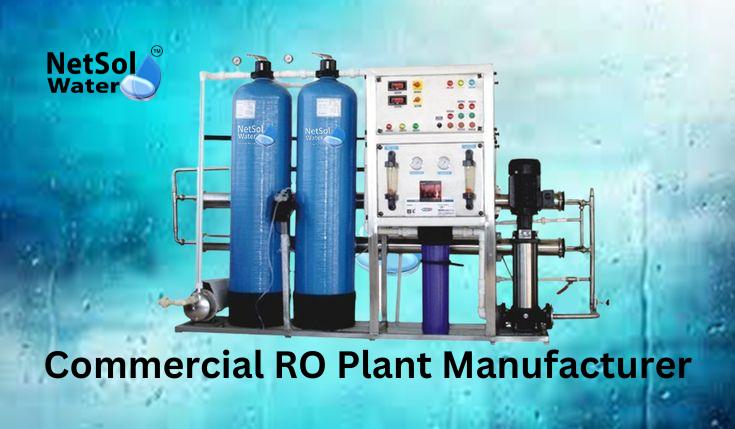
A Commercial Reverse Osmosis (RO) Plant can provide a controlled treatment process for reducing many dissolved impurities and producing treated water for suitable applications.
But choosing an RO plant is not simply about selecting the highest capacity or the cheapest quotation. Water quality varies from one site to another. A hotel may have different requirements from a school, hospital, restaurant, or corporate office.
This is where custom RO solutions become important.
If you are a beginner searching for a Trusted Commercial RO Plant Manufacturer in Gurgaon for Custom RO Solutions, this guide explains the basics of commercial RO plants, how reverse osmosis works, what factors influence plant selection, how to choose a manufacturer, and how to maintain the system for reliable performance.
What Is a Commercial RO Plant?
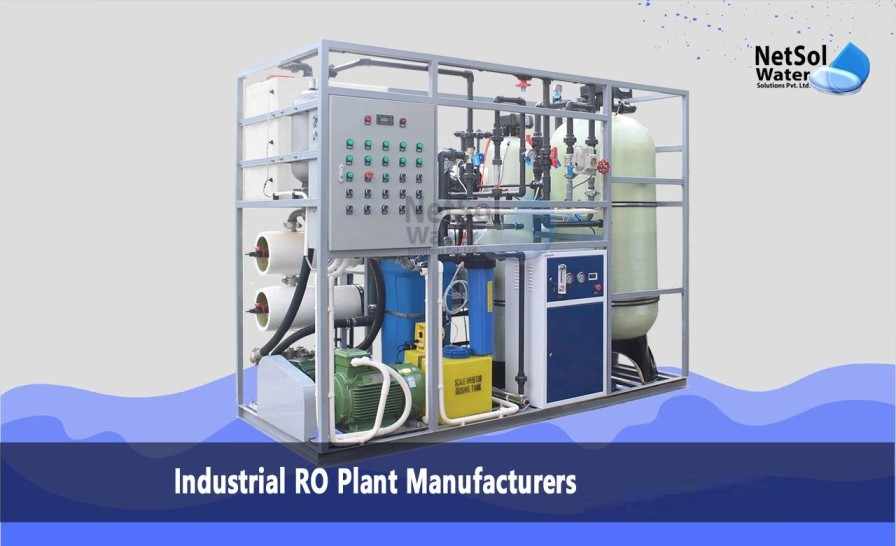
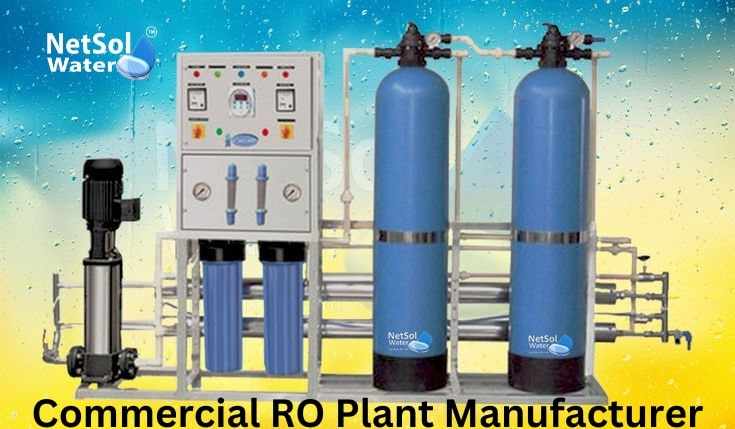
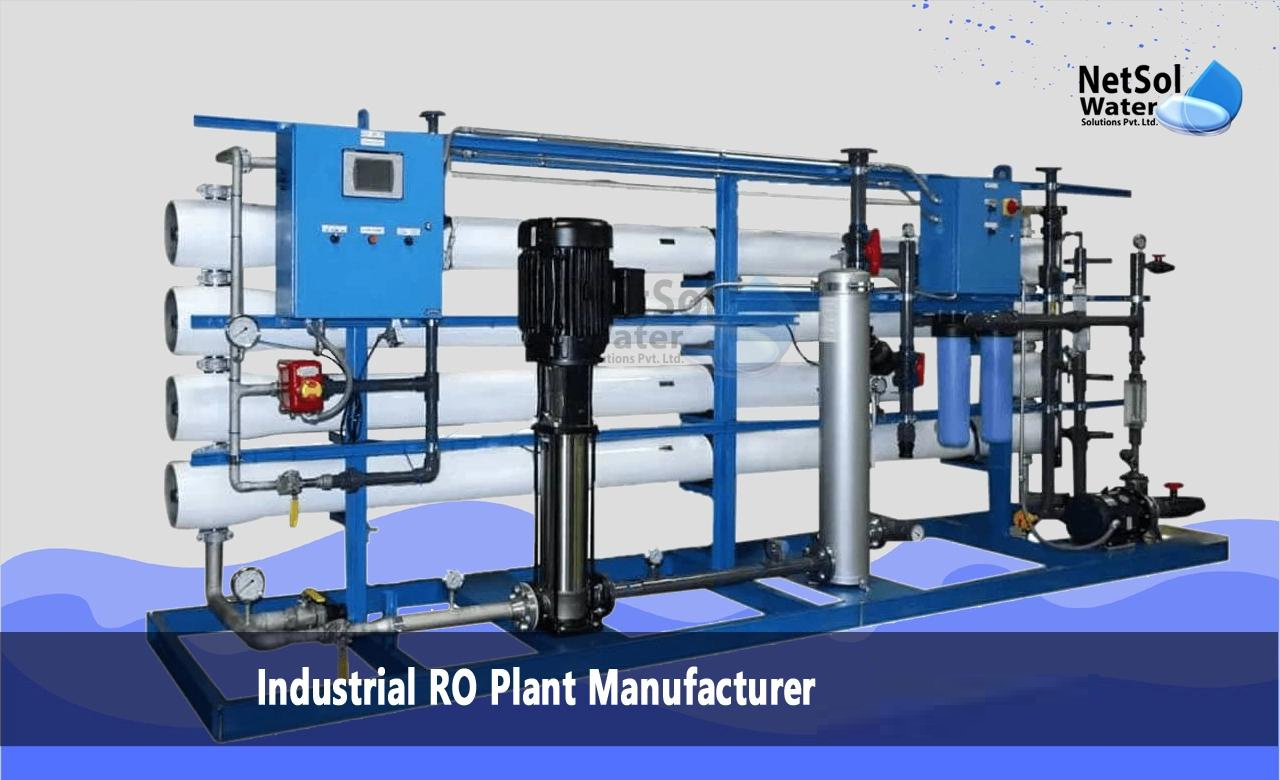
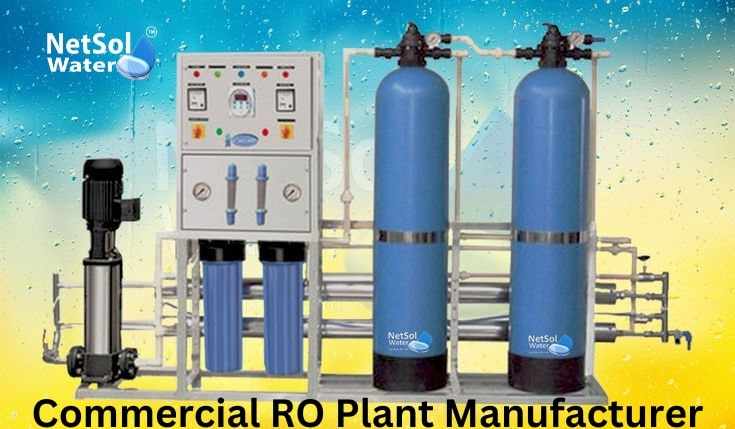
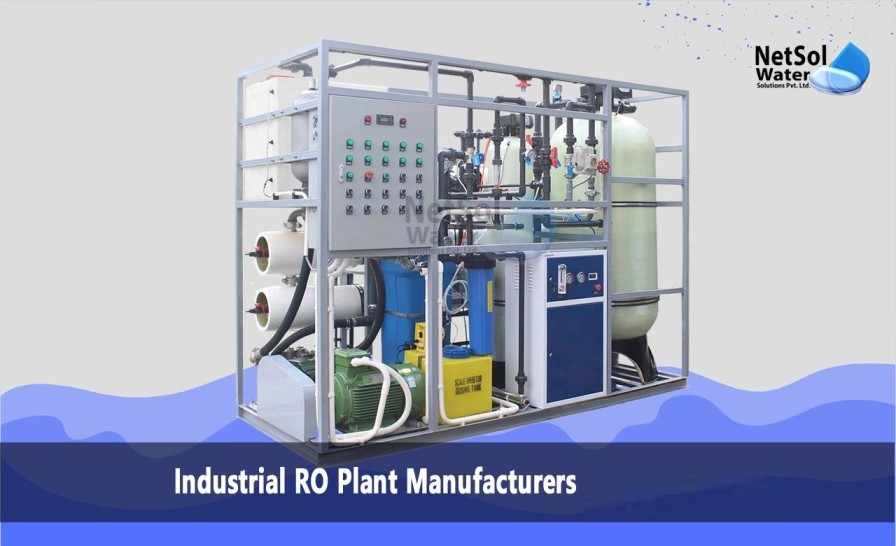
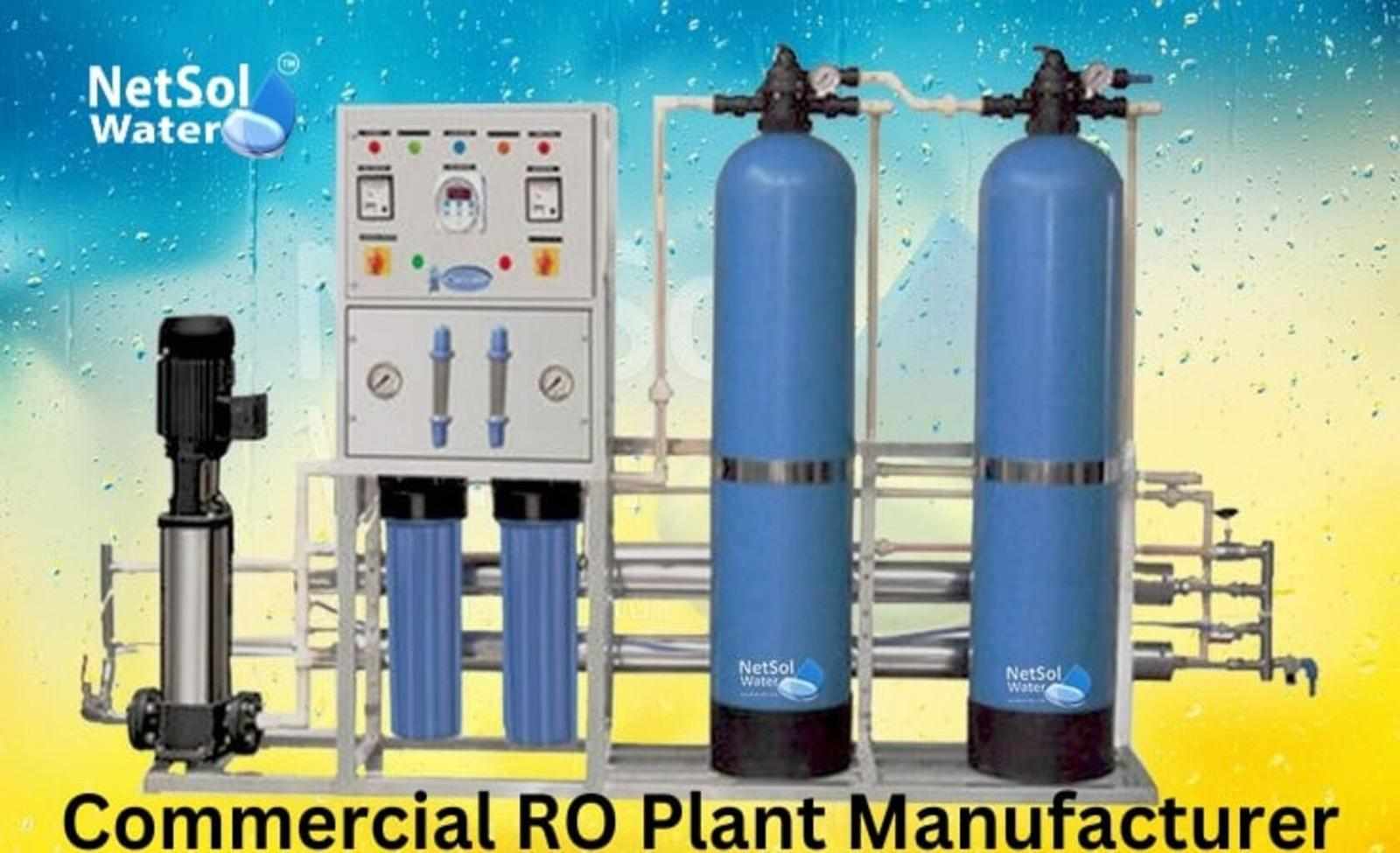
A commercial RO plant is a water purification system designed to treat water for commercial and institutional applications.
RO uses a semi-permeable membrane to separate many dissolved impurities from water. Water is pushed through the membrane under pressure, while a portion of dissolved substances is rejected and removed through the concentrate or reject stream.
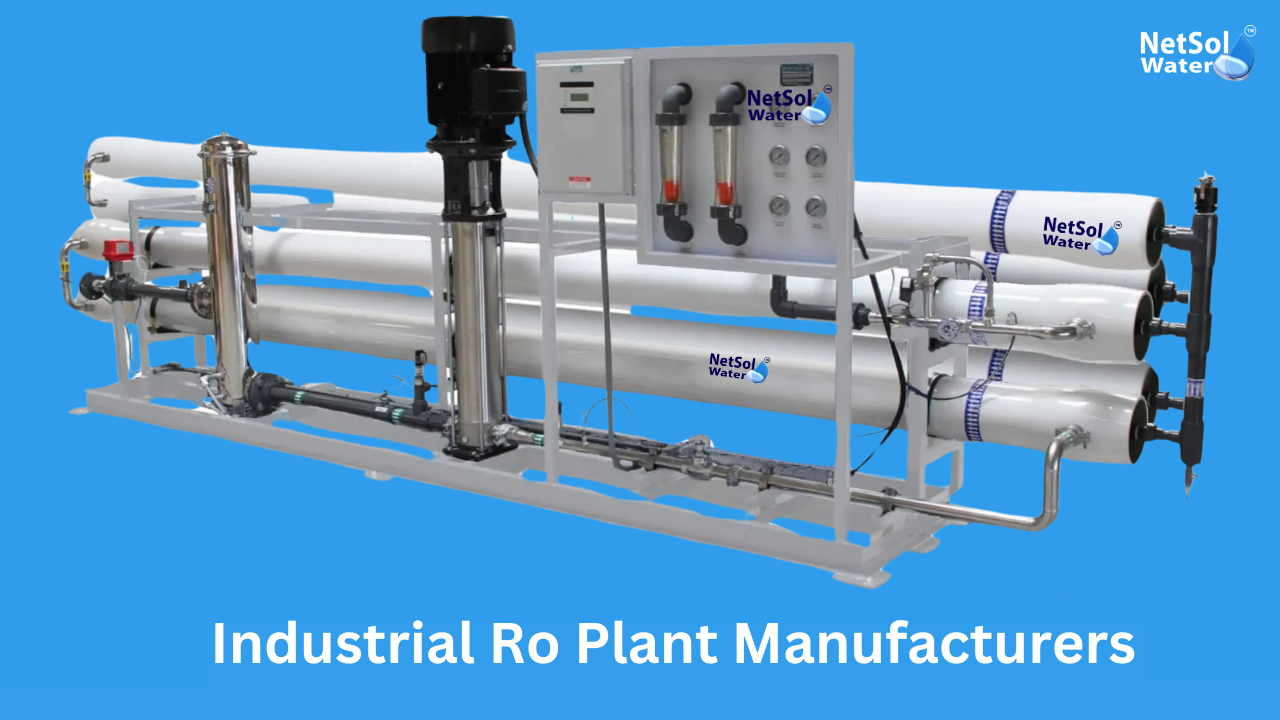
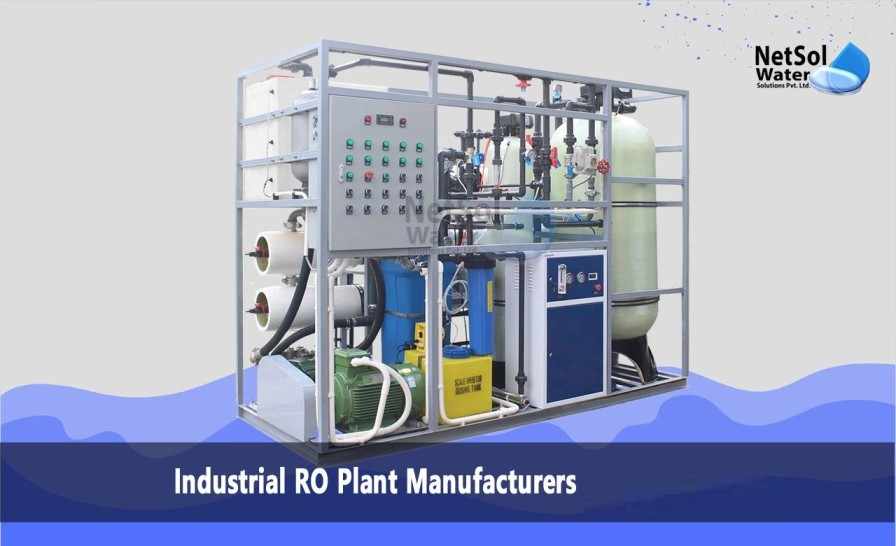
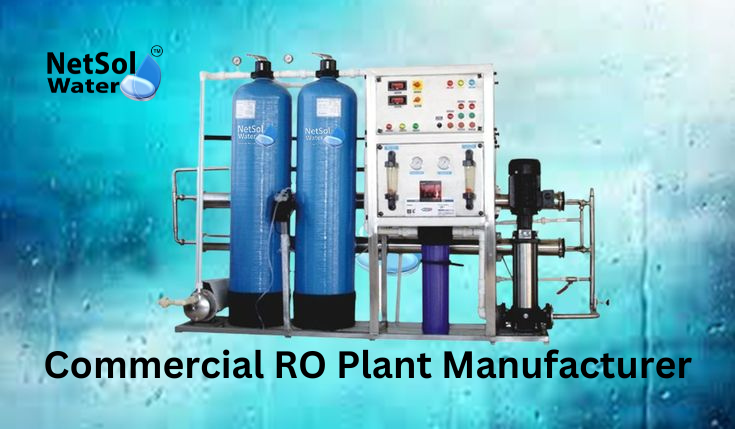
A commercial RO system may include several treatment stages before and after the RO membrane.
A typical system can contain:
Raw Water → Pre-Treatment → Cartridge Filtration → High-Pressure Pump → RO Membrane → Post-Treatment → Treated-Water Storage
The exact configuration depends on the raw-water quality and the required treated-water quality.
Why Do Commercial Facilities Need RO Plants?
Commercial facilities often consume large quantities of water every day.
For example:
Hotels need water for guests, kitchens, housekeeping, and utilities.
Restaurants require water for food preparation and cleaning.
Schools need water for students, staff, kitchens, and sanitation.
Hospitals have demanding water-quality requirements for different applications.
Offices need water for drinking and general facility operations.
Food businesses require controlled water quality for production and cleaning.
If the source water contains high levels of dissolved salts, hardness, or other unwanted contaminants, conventional filtration may not be sufficient.
RO can be considered when the water-treatment objective requires substantial reduction of dissolved impurities.
What Does Reverse Osmosis Remove?
Reverse osmosis can reduce many dissolved substances, including:
Dissolved salts
Total dissolved solids (TDS)
Certain heavy metals
Fluoride
Nitrates
Sulphates
Some other dissolved contaminants
However, RO is not a universal solution for every water problem.
The actual performance depends on:
Feed-water quality
Membrane type
Operating pressure
Temperature
Recovery
Membrane condition
Pre-treatment
System design
This is why a water analysis report should normally be considered before designing a commercial RO plant.
Why Water Testing Should Come First
One of the most important steps beginners can take is to test the raw water before purchasing an RO plant.
A water analysis can provide information about parameters such as:
pH
TDS
Hardness
Turbidity
Iron
Chloride
Sulphate
Fluoride
Nitrate
Microbiological quality
Other site-specific contaminants
The exact testing requirements depend on the water source and intended use.
For example, groundwater in one Gurgaon location may have a different chemical profile from groundwater at another location.
Therefore:
The right RO plant starts with understanding the water, not with choosing a machine.
A manufacturer can use the water analysis report to determine suitable pre-treatment, membrane selection, operating conditions, and post-treatment requirements.
What Is a Custom RO Solution?
A custom RO solution is designed around the specific requirements of a particular facility.
Instead of supplying the same configuration to every customer, the manufacturer considers factors such as:
Raw-water source
Water chemistry
Required capacity
Required TDS reduction
Desired recovery
Daily operating hours
Available installation space
Power availability
Treated-water application
Storage requirements
Future expansion
This approach can help avoid two common problems:
Under-designing: The plant cannot reliably meet the water requirement.
Over-designing: The customer pays for unnecessary equipment or capacity.
A well-designed system aims for the right balance.
How Is Commercial RO Plant Capacity Decided?
Commercial RO capacity is commonly expressed in LPH, or litres per hour.
For larger facilities, capacity may also be discussed in terms of litres per day or other flow measurements.
Examples include:
500 LPH
1,000 LPH
2,000 LPH
5,000 LPH
10,000 LPH
20,000 LPH
Higher capacities for large facilities
However, capacity should not be selected simply because a particular number sounds suitable.
The manufacturer should consider:
1. Daily Water Requirement
How much treated water does the facility actually need?
2. Peak Demand
When does the facility consume the most water?
3. Operating Hours
Will the RO plant operate continuously or only during specific hours?
4. Storage Capacity
Is treated water stored so the plant can operate at a steady rate while demand changes?
5. Future Expansion
Will water demand increase as the facility grows?
A properly sized system should meet practical demand without unnecessarily increasing capital and operating costs.
Main Stages of a Commercial RO Plant
A commercial RO system commonly uses several treatment stages.
The exact configuration varies depending on the raw-water quality.
A simplified process can be:
Raw Water Tank → Pre-Treatment → Cartridge Filter → High-Pressure Pump → RO Membranes → Post-Treatment → Product Water Tank
Let's understand these stages.
1. Raw Water Storage
Water from the source is generally collected in a raw-water tank before treatment.
The tank provides a controlled supply to the treatment system.
It can also help manage variations in incoming water availability.
2. Pre-Treatment
Pre-treatment protects the RO membrane.
Depending on the water quality, it may include:
Pressure sand filter
Activated carbon filter
Iron removal filter
Water softener
Antiscalant dosing
Other suitable treatment stages
Pre-treatment is extremely important because RO membranes are sensitive to fouling and scaling.
A high-quality membrane cannot compensate for poor pre-treatment.
3. Pressure Sand Filter
A pressure sand filter can reduce suspended particles and turbidity.
It generally contains suitable filter media that trap particulate matter as water passes through.
Regular backwashing is necessary to maintain performance.
4. Activated Carbon Filter
Activated carbon can help reduce:
Chlorine
Organic compounds
Unpleasant taste and odour
Certain other impurities
Carbon treatment is particularly important where chlorine or organic contaminants could affect the RO membrane.
5. Water Softener
If feed water has high hardness, a softener may be included in the pre-treatment system.
Hardness can contribute to scaling on RO membranes.
The need for a softener depends on the water chemistry and the selected treatment design.
6. Cartridge Filter
A cartridge filter provides fine particulate filtration before water reaches the RO membranes.
It acts as an additional protective barrier against particles that could damage or foul the membranes.
Cartridges require periodic replacement based on operating conditions and pressure drop.
7. High-Pressure Pump
Reverse osmosis requires pressure to push water through the semi-permeable membrane.
The high-pressure pump provides the necessary operating pressure.
The pump should be correctly selected based on:
Feed-water quality
Required flow
Membrane configuration
Operating pressure
System recovery
8. RO Membrane
The RO membrane is the central component of the system.
Under pressure, water passes through the membrane while many dissolved substances are rejected.
Two streams are produced:
A. Permeate
The treated water that passes through the membrane.
B. Reject or Concentrate
The water carrying a higher concentration of rejected dissolved substances.
The reject stream must be managed appropriately according to the site's water-management arrangements.
9. Post-Treatment
Depending on the intended application, treated water may require additional treatment after RO.
Possible options include:
UV disinfection
Ozone
Mineral dosing
pH adjustment
Storage
Additional filtration
The correct post-treatment depends on the intended use of the water.
What Is RO Recovery?
RO recovery refers to the percentage of feed water converted into product water.
For example, if a system receives 1,000 litres of feed water and produces 700 litres of permeate, the recovery is 70%.
The remaining water forms the concentrate or reject stream.
Higher recovery can reduce water wastage, but pushing recovery too high can increase the risk of scaling and membrane fouling.
Therefore, recovery should be selected according to the feed-water chemistry and system design rather than simply maximizing the percentage.
What Happens to RO Reject Water?
RO systems produce reject water as part of normal operation.
This stream should not simply be ignored.
Depending on its quality and local requirements, reject water may be considered for suitable secondary applications where practical.
Possible uses can include certain:
Cleaning activities
Flushing applications
Gardening applications
Other appropriate non-potable uses
The suitability of any reuse option depends on the reject-water quality and the intended application.
A good commercial RO design should consider reject-water management from the beginning.
Commercial RO Applications in Gurgaon
Commercial RO plants can be designed for a wide range of facilities.
1. Hotels
Hotels require water for guests, kitchens, housekeeping, laundry, and other services.
A customized RO plant can be designed according to occupancy and daily water demand.
2. Restaurants
Restaurants need reliable water for food preparation, beverages, cleaning, and general operations.
Water quality can have a direct effect on taste and operational processes.
3. Schools and Colleges
Educational institutions require water for drinking, kitchens, sanitation, and other activities.
The system can be sized according to student and staff population.
4. Hospitals
Hospitals may require different levels of water treatment depending on the application.
A detailed water-quality assessment is especially important for healthcare facilities.
5. Corporate Offices
Large office buildings can consume substantial quantities of water every day.
RO systems can provide treated water for suitable drinking and utility applications.
6. Shopping Centres
Malls and commercial centres may require water for food courts, drinking-water facilities, housekeeping, and other services.
7. Food and Beverage Businesses
Food-related facilities often require consistent water quality for production and cleaning processes. The treatment design should be based on the specific application and water-quality requirements.
Why Choose a Custom Commercial RO Plant?
A custom system can provide several practical advantages.
1. Better Matching of Capacity
The plant can be sized according to actual water demand.
2. Appropriate Pre-Treatment
The pre-treatment can be selected according to the raw-water chemistry.
3. Efficient Use of Space
The equipment layout can be planned according to the available installation area.
4. Application-Specific Water Quality
The treatment process can be designed around the required output-water quality.
5. Easier Future Expansion
The initial design can consider expected growth.
6. Better Lifecycle Planning
Power consumption, membrane replacement, maintenance, and reject-water management can be considered during the design stage.
How to Choose a Trusted Commercial RO Plant Manufacturer in Gurgaon
Choosing commercial RO plant manufacturers should involve more than comparing prices.
Here are some factors beginners should consider.
1. Check Whether They Understand Your Water
A reliable manufacturer should ask for raw-water details or recommend appropriate testing.
A supplier who proposes an RO plant without understanding the feed water may not be providing a properly customized solution.
2. Ask for a Detailed Process Design
The proposal should clearly show:
Pre-treatment
Pumping system
RO membrane arrangement
Post-treatment
Control system
Storage
Reject-water handling
This makes it easier to understand what you are actually purchasing.
3. Compare Membrane Specifications
Ask about:
Membrane type
Membrane manufacturer
Number of membranes
Design flux
Operating pressure
Expected rejection
Replacement interval
Membranes are consumable components, so their long-term replacement cost matters.
4. Consider Automation
A commercial RO plant can have different levels of automation.
Possible features include:
Automatic start/stop
Low-pressure protection
High-pressure protection
Conductivity monitoring
Flow measurement
Level controls
Automatic flushing
Alarm systems
The appropriate automation level depends on the size and operating requirements of the facility.
Why Consider Netsol Water for Custom RO Solutions in Gurgaon?
Businesses evaluating a Commercial RO Plant Manufacturer in Gurgaon can compare suppliers based on water-treatment expertise, system design, equipment selection, installation, commissioning, and after-sales support.
Netsol Water's published Gurgaon commercial RO information describes systems for commercial applications and emphasizes customized solutions based on water quality, capacity, and application requirements.
The company's published information also discusses RO systems for applications such as hotels, hospitals, restaurants, schools, offices, and other commercial facilities.
These options can be considered by businesses looking for a customized commercial water-treatment system. However, every project should still be evaluated individually. A suitable manufacturer should be able to explain the proposed treatment process, water-quality assumptions, capacity calculations, operating costs, maintenance requirements, and after-sales support.
How Much Does a Commercial RO Plant Cost?
There is no single price for a commercial RO plant.
The final cost can depend on:
Capacity
Feed-water quality
TDS level
Hardness
Pre-treatment requirements
Membrane configuration
Pump selection
Automation
Storage tanks
Post-treatment
Installation
Piping
Electrical work
Reject-water management
Site conditions
For example, two 5,000 LPH systems can have different prices if one requires extensive pre-treatment while the other receives relatively clean feed water.
When comparing quotations, consider the total cost of ownership:
Purchase Price + Installation + Electricity + Chemicals + Membranes + Filters + Maintenance + Reject-Water Management
This gives a better understanding of the actual investment.
Commercial RO Plant Maintenance
Even a well-designed RO plant needs regular maintenance.
Important maintenance activities include:
1. Pre-Treatment Maintenance
Sand and carbon filters need regular backwashing or servicing.
2. Cartridge Replacement
Cartridge filters need replacement when pressure drop increases or according to the maintenance schedule.
3. Membrane Cleaning
RO membranes gradually accumulate fouling and scaling.
Chemical cleaning may be required depending on operating conditions.
4. Pump Inspection
High-pressure pumps should be checked for unusual vibration, leakage, pressure changes, and other signs of problems.
5. Water-Quality Monitoring
Operators should regularly monitor parameters such as:
Feed TDS
Product TDS
Feed pressure
Operating pressure
Permeate flow
Reject flow
Conductivity
pH where relevant
Monitoring helps identify performance changes early.
Common Commercial RO Problems
1. High Product-Water TDS
Possible causes can include membrane fouling, membrane damage, incorrect operating conditions, or problems with pre-treatment.
2. Low Permeate Flow
Possible causes include fouling, scaling, low pressure, temperature changes, or membrane ageing.
3. High Pressure
High pressure can indicate membrane fouling or other flow restrictions.
4. Frequent Membrane Fouling
This can be related to inadequate pre-treatment, poor operating conditions, or unsuitable feed-water characteristics.
5. Excessive Reject Water
High reject generation can be associated with system design, operating recovery, feed-water quality, or membrane condition.
The correct solution requires identifying the cause rather than changing components without diagnosis.
How to Improve RO Plant Performance
Several simple practices can help maintain reliable performance.
1. Test Feed Water Regularly
Water chemistry can change over time.
2. Maintain Pre-Treatment
A protected membrane generally performs better than a membrane exposed to excessive contaminants.
3. Follow the Correct Operating Pressure
Operating pressure should remain within the manufacturer's recommended range.
4. Monitor Product Quality
Changes in product-water conductivity or TDS can provide an early warning of membrane performance problems.
5. Clean Membranes When Required
Do not wait until performance has severely declined before investigating fouling.
6. Replace Filters on Time
Old cartridge filters can increase pressure drop and affect system performance.
7. Maintain Pumps
A well-maintained high-pressure pump supports stable RO operation.
Common Mistakes When Buying a Commercial RO Plant
1. Selecting the Plant Only by LPH
Capacity alone does not tell you whether the system is suitable.
2. Ignoring Water Testing
Without feed-water analysis, pre-treatment and membrane selection may be inappropriate.
3. Choosing the Cheapest Quotation
Lower initial cost can sometimes mean higher operating or replacement costs later.
4. Ignoring RO Reject
Reject water is part of normal RO operation and should be included in the water-management plan.
5. Buying Excess Capacity
An unnecessarily large plant can increase capital and operating costs.
6. Ignoring Maintenance
An RO plant needs regular monitoring and servicing.
7. Not Asking About Spare Parts
Membranes, cartridges, pumps, valves, and instruments may eventually need replacement.
Questions to Ask Your Commercial RO Manufacturer
Before purchasing, ask:
Has the raw water been tested?
What is the expected feed-water TDS?
What is the required product-water quality?
What is the required RO capacity?
How was the capacity calculated?
What pre-treatment is included?
Which RO membranes will be used?
What recovery is expected?
How much reject water will be generated?
How should the reject water be managed?
What is the estimated power consumption?
What automation features are included?
How often should membranes be cleaned?
What is the expected membrane life?
What are the annual maintenance requirements?
Which spare parts are recommended?
Is installation included?
Is commissioning included?
Is operator training provided?
What after-sales support is available?
These questions can help beginners understand the proposal before making a purchase decision.
Custom RO Solutions for Different Commercial Requirements
There is no universal RO design for every business.
A hotel may need a system based on occupancy and multiple water-use points.
A restaurant may focus on water used for cooking, beverages, and cleaning.
A school may need a system based on student population and operating hours.
A hospital may have more specific water-quality requirements for different applications.
A corporate office may require a drinking-water system sized according to employees and daily consumption.
A food-processing facility may need additional treatment depending on its process requirements.
This is why a manufacturer should understand the application before finalizing the design.
RO Plant vs Conventional Water Filtration
Conventional filtration and RO do not perform exactly the same function.
1. Conventional Filtration
It can be effective for reducing suspended particles, turbidity, and certain other contaminants.
2. Reverse Osmosis
RO is particularly useful for reducing many dissolved salts and other dissolved contaminants.
A commercial facility may therefore use several treatment technologies together.
For example:
Raw Water → Sand Filter → Carbon Filter → Softener → Cartridge Filter → RO → UV
The exact process should be based on water analysis rather than assumptions.
Why Pre-Treatment Is Critical for RO
The RO membrane is often considered the heart of the system, but pre-treatment protects that heart.
Poor pre-treatment can lead to:
Scaling
Fouling
Reduced flow
Higher pressure
Shorter membrane life
Increased cleaning frequency
For this reason, spending money on the membrane while ignoring pre-treatment is rarely a good approach.
A strong RO system begins before the water reaches the RO membrane.
Final Thoughts
Finding a Trusted Commercial RO Plant Manufacturer in Gurgaon for Custom RO Solutions should start with understanding the water source, not simply comparing equipment prices.
A properly designed commercial RO plant considers feed-water chemistry, required capacity, desired product-water quality, recovery, pre-treatment, membrane selection, storage, reject-water management, automation, and maintenance.
RO can be an effective technology for reducing many dissolved contaminants, but it is not a one-size-fits-all solution. Water analysis and application requirements should guide the final design.
Netsol Water is one manufacturer serving Gurgaon with published commercial RO solutions that can be evaluated by businesses looking for customized water-treatment systems. Prospective customers should still compare technical proposals carefully and verify capacity calculations, water-quality assumptions, equipment specifications, lifecycle costs, installation arrangements, warranty terms, and after-sales support.

Write a comment ...