
Delhi's industrial sector faces mounting pressure to meet strict environmental regulations while maintaining operational efficiency. The capital city hosts thousands of manufacturing units, processing facilities, and commercial establishments that generate substantial wastewater daily. Consequently, finding a reliable sewage treatment plant manufacturer has become critical for businesses seeking to achieve industrial compliance and environmental sustainability.
The Growing Importance of Industrial Wastewater Treatment in Delhi
Delhi's rapid industrial growth has brought significant economic benefits to the region. However, this expansion has also created environmental challenges that demand immediate attention. Industries ranging from textiles and pharmaceuticals to food processing and chemicals produce wastewater with varying contamination levels.
The Delhi Pollution Control Committee (DPCC) enforces stringent discharge standards to protect the Yamuna River and groundwater resources. These regulations require industries to treat their wastewater before disposal or reuse. Non-compliance can result in heavy penalties, operational shutdowns, and reputational damage.
Moreover, water scarcity in the National Capital Region makes wastewater treatment an economic necessity. Industries that recycle treated water reduce their dependence on municipal supplies and lower operating costs. This dual benefit of regulatory compliance and cost savings drives the demand for advanced sewage treatment solutions.
Understanding Industrial Compliance Requirements
Industrial wastewater differs significantly from domestic sewage in terms of composition and contamination levels. Each industry generates unique pollutants based on its manufacturing processes and raw materials. Therefore, treatment systems must be designed to handle specific contaminants effectively.
1. Key Regulatory Standards
The Central Pollution Control Board and DPCC have established comprehensive standards for industrial effluent discharge. These standards specify maximum permissible limits for parameters like biochemical oxygen demand (BOD), chemical oxygen demand (COD), total suspended solids (TSS), pH levels, and heavy metals.
Industries must obtain consent to establish (CTE) and consent to operate (CTO) from pollution control authorities. These approvals require detailed documentation of wastewater characteristics, treatment processes, and discharge plans. A trusted sewage treatment plant manufacturer helps businesses navigate this complex regulatory landscape.
2. Industry-Specific Treatment Needs
Different industries face unique treatment challenges. Textile units must remove dyes and chemicals from their effluent. Food processing plants deal with high organic loads and fat content. Pharmaceutical facilities need to eliminate active pharmaceutical ingredients and solvents. Metal finishing operations must treat wastewater containing heavy metals.
Understanding these specific requirements is essential for designing effective treatment systems. Experienced manufacturers conduct detailed wastewater analysis before recommending appropriate technologies. This customized approach ensures optimal performance and regulatory compliance.
Core Technologies for Industrial Sewage Treatment
Modern industrial sewage treatment plants employ multiple technologies to achieve desired water quality standards. The selection of appropriate technology depends on wastewater characteristics, discharge requirements, and site constraints.
1. Primary Treatment Processes
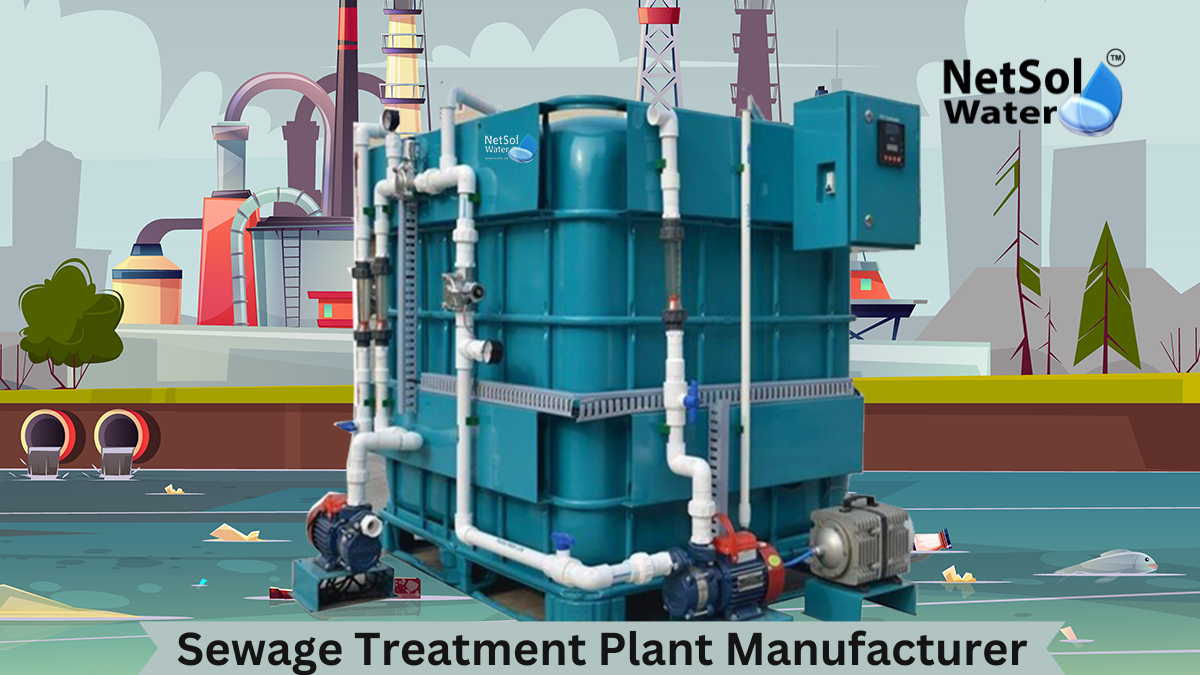
Primary treatment removes large solids and suspended particles through physical processes. Screening units eliminate debris and coarse materials that could damage downstream equipment. Equalization tanks balance flow rates and contamination levels to ensure stable treatment conditions.
Oil and grease separators are essential for industries like automobile workshops and food processing units. These systems use gravity separation to remove floating oils before biological treatment. Proper primary treatment protects subsequent treatment stages and improves overall efficiency.
2. Biological Treatment Systems
Biological treatment harnesses microorganisms to break down organic pollutants. Extended aeration systems provide longer contact time for complete oxidation of organic matter. This process is particularly effective for treating high-strength industrial wastewater.
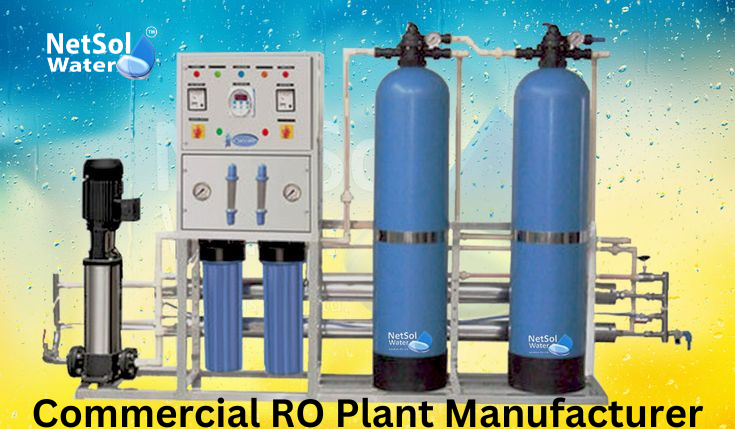
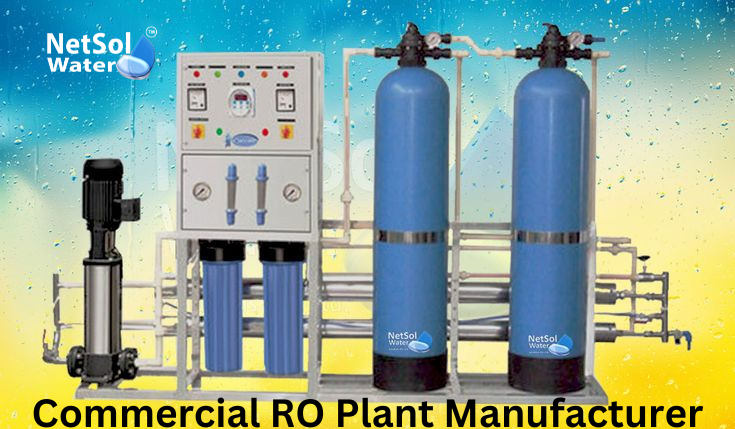
MBBR technology offers compact and efficient biological treatment. The system uses plastic media that provides large surface area for bacterial growth. This technology handles fluctuating loads effectively and requires minimal maintenance. Many Commercial RO Plant Manufacturer companies also integrate MBBR systems for comprehensive water treatment solutions.
Sequential batch reactors work well for batch discharge industries. The system processes wastewater in timed cycles that include filling, reaction, settling, and decanting phases. This flexibility makes SBR ideal for industries with variable production schedules.
3. Advanced Treatment Methods
Tertiary treatment polishes the effluent to meet stringent discharge standards or reuse requirements. Sand filtration removes fine suspended particles that escape biological treatment. Activated carbon adsorption eliminates residual organic compounds and color.
Chemical precipitation treats wastewater containing heavy metals and specific pollutants. This process uses chemicals to convert dissolved contaminants into solid precipitates that can be removed through settling. Industries like electroplating and metal finishing rely heavily on chemical treatment.
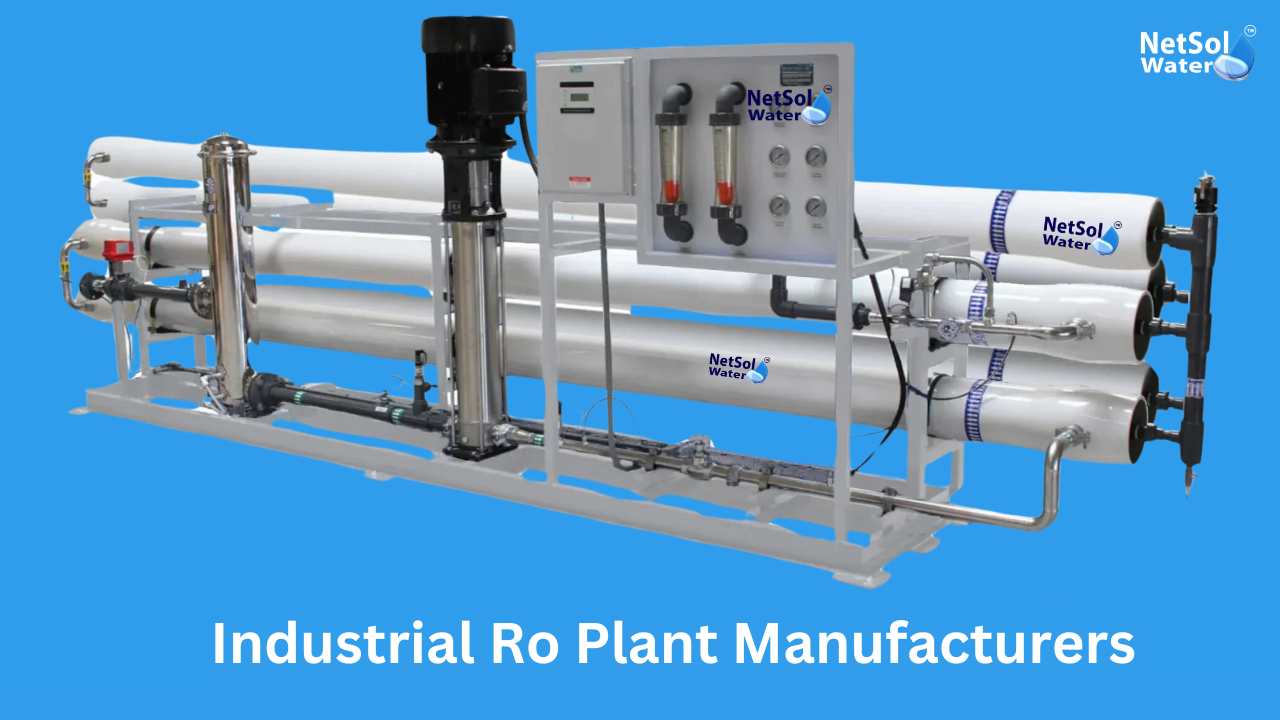
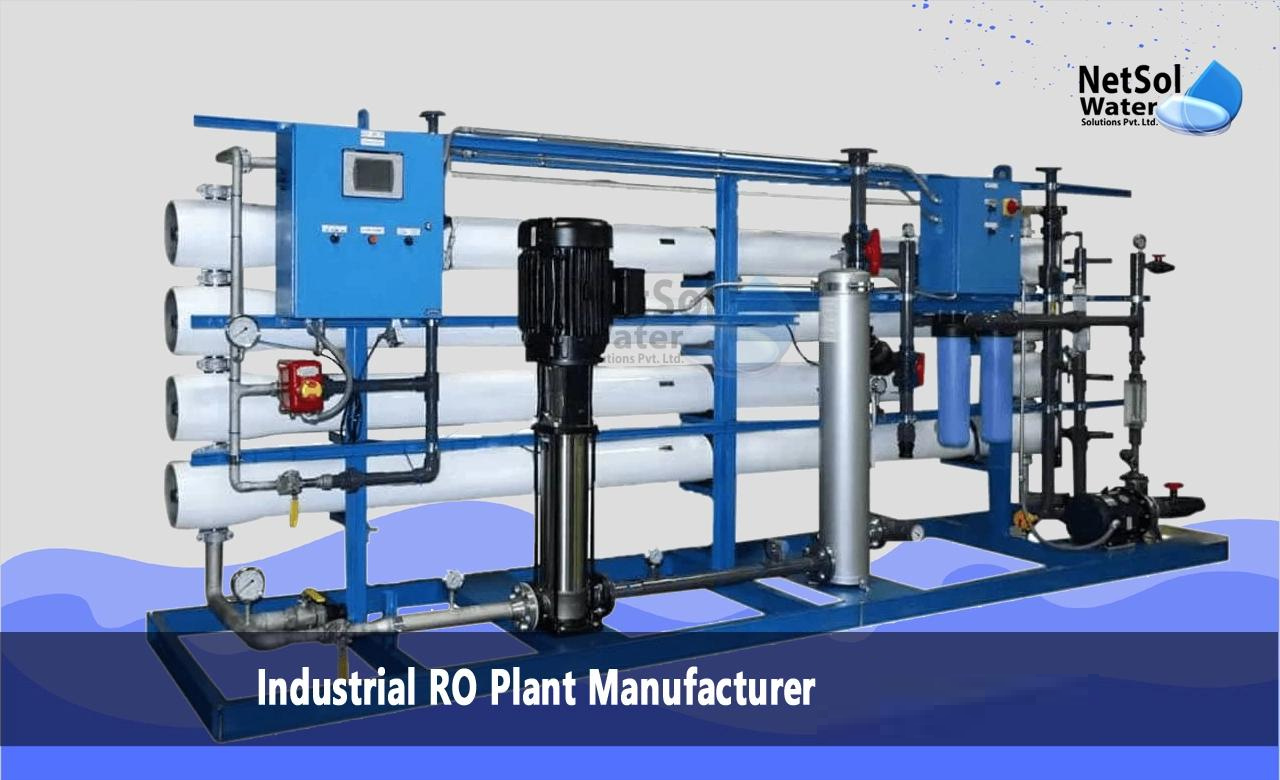
Membrane filtration technologies provide the highest level of treatment. Ultrafiltration and reverse osmosis systems produce water quality suitable for industrial reuse. A reliable Commercial RO Plant Manufacturers can design integrated systems that combine biological treatment with membrane technology for superior results.
Why Industries Choose Trusted Manufacturers
Selecting the right sewage treatment plant manufacturer significantly impacts compliance success and long-term operational costs. Trusted manufacturers bring expertise, quality, and comprehensive support that ensure reliable performance.
1. Technical Expertise and Design Capabilities
Established manufacturers possess deep understanding of industrial wastewater treatment. They stay updated on regulatory changes and emerging technologies. This knowledge enables them to design systems that meet current standards while anticipating future requirements.
Comprehensive site assessment forms the foundation of good design. Manufacturers analyze wastewater samples, evaluate available space, and understand operational constraints. This thorough approach results in customized solutions that address specific challenges effectively.
Computer-aided design tools help optimize plant layout and component sizing. Manufacturers use simulation software to predict treatment performance under various conditions. This technical rigor minimizes the risk of underperformance and ensures regulatory compliance from day one.
2. Quality Manufacturing and Component Selection
The durability of treatment equipment directly affects operational reliability and maintenance costs. Trusted manufacturers use high-grade materials that withstand corrosive wastewater conditions. Stainless steel, FRP, and specially coated carbon steel ensure long service life.
Component selection significantly influences system performance. Quality manufacturers specify proven pumps, blowers, and control systems from reputable suppliers. They avoid cheap alternatives that may fail prematurely and disrupt operations.
Fabrication quality determines whether the plant can withstand daily operational stresses. Proper welding, leak testing, and quality checks during manufacturing prevent future problems. Manufacturers with certified workshops and skilled fabricators deliver superior build quality.
3. Turnkey Implementation Services
Comprehensive project management simplifies the implementation process for industries. Trusted manufacturers handle everything from design and approvals to installation and commissioning. This single-point responsibility reduces coordination hassles and ensures timely completion.
Civil construction support helps industries prepare sites appropriately. Manufacturers provide detailed drawings and specifications for foundation work and underground piping. Some also offer complete civil contracting to ensure proper integration of all components.
Professional commissioning ensures systems operate as designed from the start. Experienced technicians test each component, calibrate instruments, and optimize process parameters. They also train plant operators on routine operations and basic troubleshooting.
Ensuring Long-Term Compliance Success
Installing a sewage treatment plant is just the beginning. Sustained compliance requires ongoing operation, maintenance, and periodic upgrades. Trusted manufacturers support their clients throughout the plant lifecycle.
1. Operator Training and Capacity Building
Well-trained operators are essential for maintaining treatment efficiency. Manufacturers provide comprehensive training covering process fundamentals, equipment operation, and routine maintenance. Operators learn to recognize performance issues and take corrective actions promptly.
Hands-on training during commissioning gives operators practical experience. They work alongside experienced technicians to understand system behavior under different conditions. This knowledge transfer builds confidence and operational competence.
Refresher training sessions keep operators updated on best practices. Manufacturers may offer periodic workshops covering new regulations, troubleshooting techniques, and process optimization. This ongoing education maintains high operational standards.
2. Preventive Maintenance Programs
Regular maintenance prevents breakdowns and extends equipment life. Trusted manufacturers offer annual maintenance contracts that include scheduled inspections, consumable replacement, and performance testing. These programs identify potential issues before they cause failures.
Comprehensive documentation supports effective maintenance planning. Manufacturers provide operation manuals, maintenance schedules, and spare parts lists. Clear record-keeping helps track component performance and plan timely replacements.
Remote monitoring systems enable proactive maintenance. Advanced manufacturers install sensors and telemetry systems that transmit real-time data to cloud platforms. This technology alerts operators to abnormal conditions and helps manufacturers provide quick remote support.
3. Compliance Monitoring and Reporting
Regular testing verifies that treated effluent meets discharge standards. Manufacturers guide industries on required testing frequency and parameters. Some provide in-house laboratory services or connections with certified testing laboratories.
Automated monitoring systems continuously track critical parameters. Online sensors for pH, dissolved oxygen, and flow enable real-time process control. Data logging systems maintain records that demonstrate compliance during regulatory audits.
Support with regulatory reporting reduces administrative burden. Manufacturers help prepare necessary documentation for renewal of consent to operate. They also assist during inspections by pollution control authorities.
Economic Benefits of Proper Wastewater Treatment
Beyond regulatory compliance, effective sewage treatment delivers tangible economic advantages. Forward-thinking industries view their treatment plants as investments rather than expenses.
1. Water Recycling and Cost Reduction
Treated wastewater can replace freshwater in many industrial applications. Cooling towers, gardening, floor washing, and toilet flushing are suitable uses for recycled water. This reuse significantly reduces municipal water consumption and associated costs.
Industries in water-scarce areas particularly benefit from recycling. Some manufacturers have achieved 70-80% water recycling rates through proper treatment and reuse systems. These savings improve competitiveness and insulate operations from water supply disruptions.
Working with an experienced Commercial RO Plant Manufacturer enables industries to produce high-quality recycled water. Integrated treatment systems combine biological treatment with advanced filtration to meet even demanding process water requirements.
2. Avoiding Penalties and Production Losses
Non-compliance carries substantial financial risks. Regulatory penalties can reach lakhs of rupees depending on violation severity. Repeated violations may result in closure orders that halt production entirely.
Reputational damage from environmental violations affects business relationships. Customers increasingly prefer suppliers with strong environmental credentials. Maintaining compliance protects brand value and market position.
Reliable treatment systems prevent emergency shutdowns. Industries that depend on consistent wastewater discharge cannot afford equipment failures. Trusted manufacturers deliver dependable systems that support uninterrupted operations.
Selecting Your Manufacturing Partner
Choosing a sewage treatment plant manufacturers requires careful evaluation of multiple factors. The right partner combines technical capability with commercial reasonableness and service commitment.
1. Evaluating Experience and Track Record
Industry experience indicates capability to handle complex projects. Look for manufacturers with proven track records in your specific industry segment. Review their portfolio of completed projects and client testimonials.
Site visits to operating installations provide valuable insights. Observing actual plant performance and speaking with existing clients reveals manufacturer strengths and weaknesses. This due diligence prevents costly mistakes.
Regulatory approval success demonstrates manufacturer competence. Companies that consistently obtain CTOs for their clients understand pollution control requirements thoroughly. This expertise accelerates the approval process for new projects.
Assessing Service Infrastructure
Local service presence ensures quick response during emergencies. Manufacturers with service centers in Delhi can deploy technicians rapidly when issues arise. This accessibility minimizes downtime and production disruption.
Spare parts availability affects maintenance efficiency. Reliable manufacturers maintain adequate inventory of critical components. They also establish clear procurement processes for items requiring advance ordering.
Technical support accessibility matters for ongoing operations. Manufacturers should offer multiple support channels including phone hotlines, email support, and on-site visits. Responsive technical teams help resolve issues quickly.
Conclusion
Finding a trusted sewage treatment plant manufacturer in Delhi is crucial for achieving industrial compliance and operational sustainability. The right partner brings technical expertise, quality manufacturing, and comprehensive support that ensure long-term success.
Industries must look beyond initial capital costs when evaluating manufacturers. Total cost of ownership including energy consumption, maintenance requirements, and service support determines true value. Established manufacturers deliver reliable systems that perform consistently over many years.
Regulatory requirements will continue evolving as environmental awareness grows. Working with manufacturers who stay ahead of regulatory trends protects your investment. They design systems with upgrade provisions that accommodate future standards.
Delhi's industrial future depends on responsible wastewater management. Every industry that implements proper treatment contributes to environmental protection while securing its own operational continuity. Partnering with trusted manufacturers makes this goal achievable and economically viable.


Write a comment ...