
Budgeting for a commercial RO plant feels overwhelming when you're navigating it for the first time. The quotes you receive from different manufacturers can vary wildly. One vendor quotes five lakhs while another proposes fifteen lakhs for seemingly similar systems. Understanding why these differences exist and what truly matters in pricing helps you make smart investment decisions. Netsol Water is a leading Commercial RO Plant Manufacturer in Gurgaon, providing advance solution for waste water management.
Gurgaon has emerged as a significant manufacturing hub for water treatment equipment in recent years. The city hosts numerous companies producing commercial RO systems ranging from small-scale units to massive industrial installations. This competitive environment creates opportunities for buyers but also demands careful evaluation to distinguish genuine value from empty promises.
This comprehensive guide helps you plan your commercial RO plant budget intelligently. We'll explore what factors drive pricing, how to compare quotes fairly and where smart spending delivers long-term value. Armed with this knowledge, you'll negotiate confidently and invest wisely in water treatment infrastructure that serves your business reliably.
Understanding the True Cost Components
Equipment and Hardware Expenses
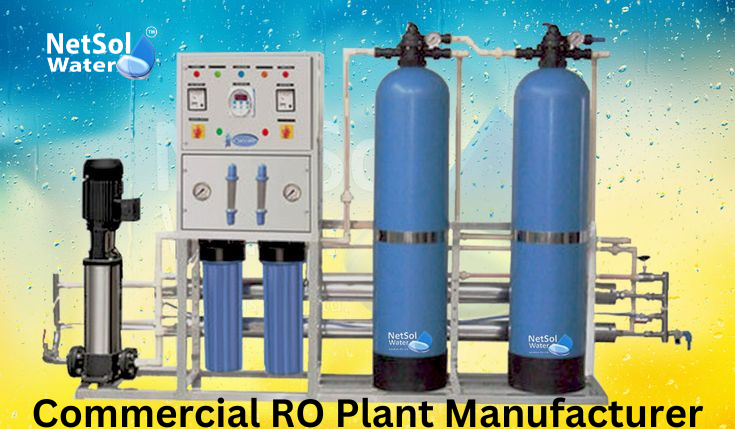
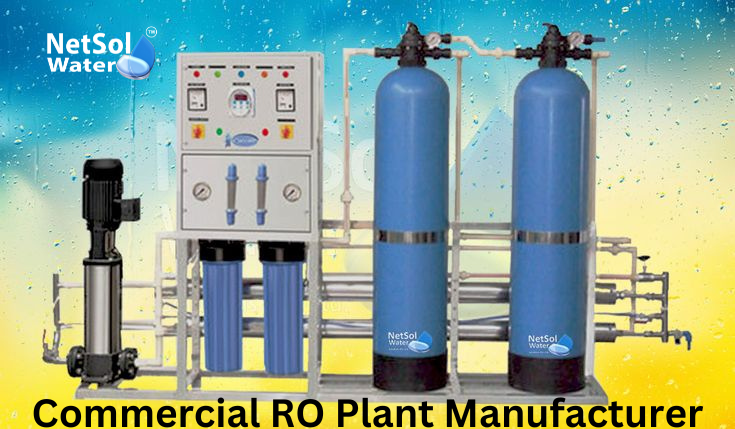
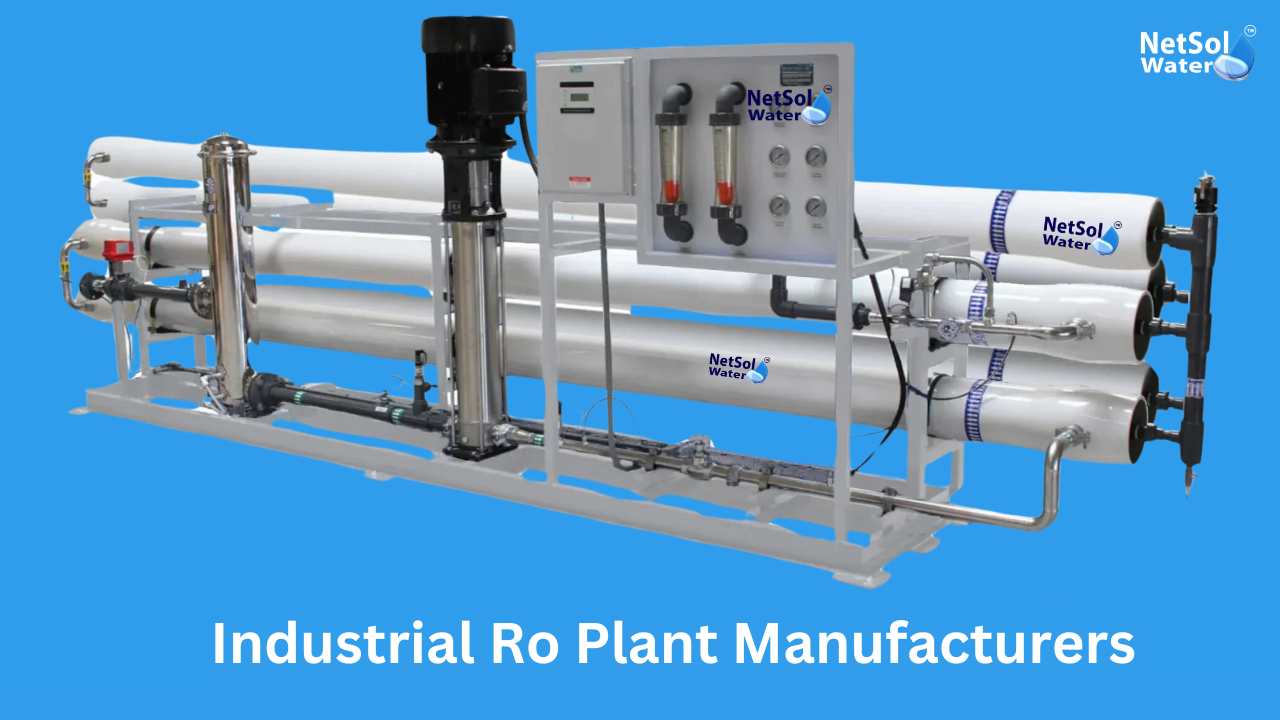
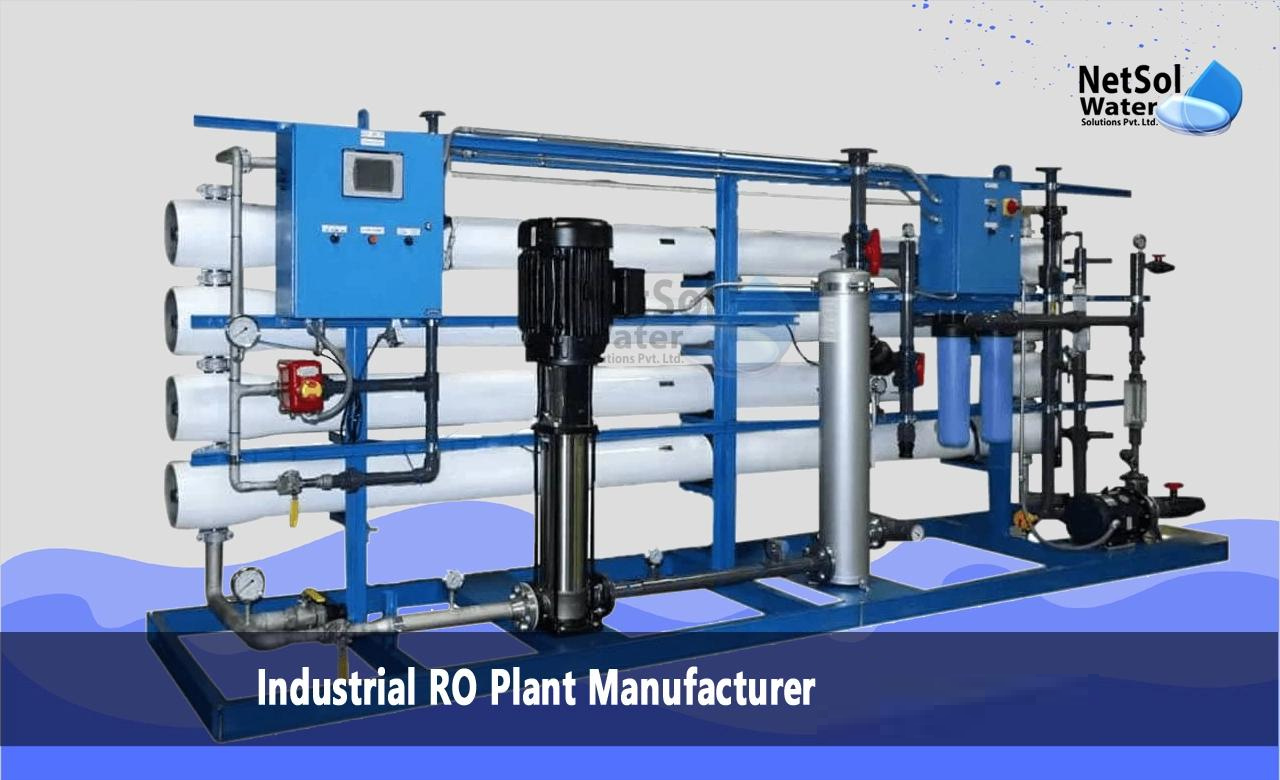
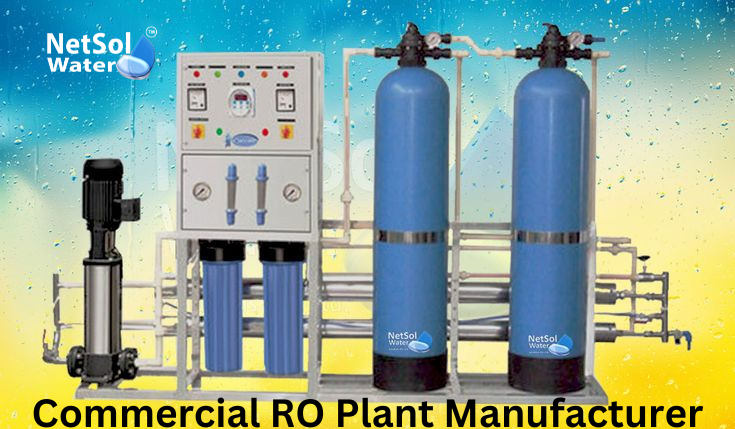
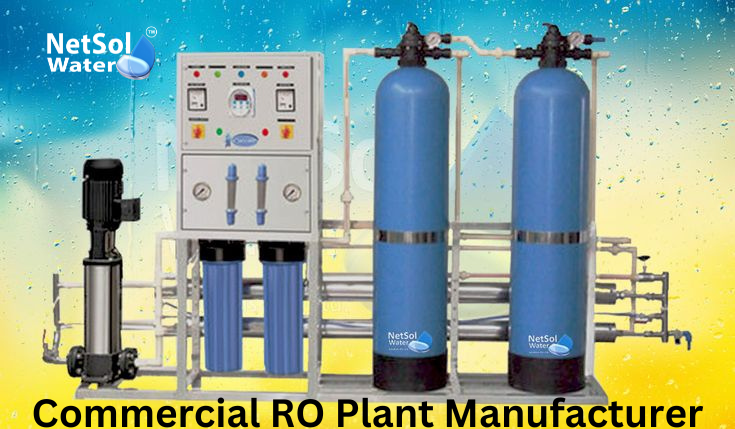
The physical equipment represents the most visible portion of your investment. High-pressure pumps, membrane vessels, filtration systems and storage tanks all carry distinct price tags. However, not all components offer equal quality despite similar appearances.
Premium manufacturers use internationally recognized membrane brands like Dow, Dupont or Toray. These membranes cost more than generic alternatives but deliver superior performance and longevity. Similarly, pumps from established brands like Grundfos or CNP operate more reliably than unknown manufacturers despite higher initial costs.
Control systems and automation also vary significantly in sophistication and price. Basic on-off controllers cost far less than programmable logic controllers with touchscreen interfaces. Advanced systems provide better performance monitoring and protection but require higher investment.
Installation and Commissioning Costs
Many buyers focus exclusively on equipment prices while overlooking installation expenses. Professional installation ensures optimal performance and prevents expensive problems caused by improper setup. Quality Commercial RO Plant Manufacturers in Gurgaon include installation in their quotes or clearly itemize it separately.
Installation costs vary based on site conditions and system complexity. A plug-and-play system in a prepared plant room costs less to install than one requiring extensive civil work, electrical upgrades and complex piping. Discuss your site conditions thoroughly with manufacturers to receive accurate installation estimates.
Commissioning involves starting the system, optimizing performance and training your operators. Professional commissioning by factory-trained technicians ensures your system operates correctly from day one. This service carries value that DIY installation cannot match regardless of apparent cost savings.
Annual Operating and Maintenance Expenses
Smart budgeting extends beyond initial purchase to encompass long-term operating costs. Electricity consumption represents a significant ongoing expense for commercial RO systems. Efficient designs with energy recovery devices reduce power bills substantially over the system's lifetime.
Consumable replacement including filters, membranes and chemicals occurs regularly throughout operation. Membrane life typically ranges from three to five years depending on water quality and operating conditions. Factor these replacement cycles into your total cost of ownership calculations.
Professional maintenance contracts ensure proper care that extends equipment life and maintains performance. Annual maintenance costs typically range from five to ten percent of initial equipment investment. These contracts often prove worthwhile compared to reactive repairs and unplanned downtime.
Evaluating Quotes from Multiple Manufacturers
Creating a Fair Comparison Framework
Comparing quotes becomes meaningful only when you evaluate equivalent specifications. Request detailed proposals listing all components by brand and model number. Generic descriptions like "high-quality pump" prevent accurate comparison between vendors.
Develop a comparison spreadsheet listing key components across all quotes. Include membrane brand and quantity, pump specifications, automation features and warranty terms. This structured approach reveals where vendors differ in substance versus simply price.
Pay attention to what each quote includes versus excludes. One Commercial RO Plant Manufacturer might bundle installation, commissioning and annual maintenance while another quotes only equipment. Adjust prices to reflect comparable scope before drawing conclusions about value.
Identifying Red Flags in Lowball Quotes
Suspiciously low quotes deserve careful scrutiny rather than immediate acceptance. Some manufacturers underbid using inferior components or excluding essential services. Others genuinely offer competitive pricing through efficient operations and volume purchasing.
Ask specifically about component brands when quotes seem unusually low. Generic or unknown brands often explain price differences. While such systems may function initially, they typically require more frequent repairs and earlier replacement.
Check whether low quotes include adequate pre-treatment equipment. Some vendors minimize upfront costs by undersizing filters or eliminating chemical dosing. This approach leads to premature membrane failure and higher long-term expenses despite lower initial investment.
Recognizing Value in Premium Proposals
Higher-priced quotes aren't automatically better but often reflect superior engineering and components. Premium manufacturers invest in comprehensive water analysis and customized system design. This upfront effort ensures optimal performance rather than generic one-size-fits-all solutions.
Quality vendors include robust pre-treatment systems protecting your investment in RO membranes. They specify adequate filtration, softening and chemical conditioning based on your specific source water. This thoroughness prevents problems rather than simply reacting to failures.
Advanced automation and monitoring capabilities justify higher costs through improved reliability and lower operating expenses. Remote monitoring, predictive maintenance alerts and performance optimization deliver ongoing value throughout the system's operational life.
Smart Budgeting Strategies for Different Business Types
Small Business Budget Optimization
Small businesses often face tighter budget constraints requiring creative approaches. Consider leasing or financing options that spread costs over time rather than requiring large upfront capital. Many Gurgaon manufacturers offer flexible payment terms for qualified buyers.
Focus investment on components that truly matter for your application. A small restaurant might skip expensive automation in favor of quality membranes and adequate pre-treatment. This prioritization delivers reliable water quality within budget constraints.
Start with appropriate capacity rather than oversizing for unlikely future expansion. You can always upgrade or add parallel systems later if business grows. Right-sizing initial investment frees capital for other business needs while still meeting current requirements.
Medium Enterprise Investment Planning
Medium-sized businesses benefit from balancing upfront investment against long-term operating costs. Calculate total cost of ownership over five to seven years rather than focusing solely on purchase price. Energy-efficient systems often justify higher initial costs through reduced electricity bills.
Consider systems designed for future expansion through modular architecture. Adding capacity later by installing additional membrane vessels costs less than replacing entire systems. This flexibility protects your investment while avoiding excessive upfront spending.
Professional maintenance contracts make particular sense for medium enterprises. These agreements provide predictable annual costs while ensuring expert care. The peace of mind and protected uptime often justify the expense compared to self-maintenance approaches.
Large-Scale Industrial Budgeting
Industrial installations represent major capital projects requiring comprehensive financial planning. Engage manufacturers early in project planning to develop accurate cost estimates. Detailed engineering studies identify all requirements and prevent budget surprises during implementation.
Industrial systems justify investment in premium components and comprehensive automation. The cost of water shortages or quality failures in manufacturing far exceeds incremental equipment investments. Redundancy features ensuring continuous operation prove worthwhile despite added expense.
Consider performance-based contracts where manufacturers guarantee operating costs or water quality. These arrangements shift risk to vendors while providing predictable operational expenses. Progressive Gurgaon manufacturers offer such arrangements for suitable applications.
Negotiating Effectively with Manufacturers
Timing Your Purchase for Maximum Leverage
Manufacturers face varying demand throughout the year creating negotiation opportunities. Quarter-end and year-end periods often bring sales targets prompting more aggressive pricing. Planning purchases around these cycles can yield significant savings without compromising quality.
Seasonal variations also affect manufacturing capacity and pricing. Summer months bring peak demand for water treatment equipment while winter sees slower activity. Timing non-urgent purchases during slow periods may secure better terms.
However, avoid delaying critical projects simply to chase marginal savings. The cost of inadequate water supply or quality problems typically exceeds any negotiation gains. Focus on value rather than simply lowest price when timing truly matters.
Leveraging Competition Constructively
Multiple competing quotes strengthen your negotiating position substantially. Manufacturers respond more favorably when they know you're evaluating alternatives. However, use this leverage constructively rather than aggressively to build positive vendor relationships.
Share that you're considering multiple options without disclosing specific competitor pricing. This transparency encourages vendors to sharpen their pencils while maintaining professional relationships. Aggressive tactics may win one negotiation but damage long-term support quality.
Ask vendors to match or beat specific features rather than just price. Perhaps one manufacturer offers superior automation while another provides better warranty terms. Identifying what matters most helps you negotiate for real value beyond simple cost reduction.
Understanding When to Accept Quotes Versus Push Back
Some quotes reflect genuine costs that cannot be reduced without compromising quality. Experienced manufacturers know their costs and maintain minimum margins for sustainable business. Pushing beyond reasonable limits may force corner-cutting that ultimately harms you.
Focus negotiation on items where flexibility genuinely exists. Installation timing, payment terms and bundled services often offer more negotiation room than equipment pricing. Creative structuring sometimes delivers better value than direct price reductions.
Building long-term relationships with manufacturers often provides better overall value than squeezing every rupee from individual transactions. Vendors who view you as a valued partner provide superior support when problems arise. This relationship value exceeds marginal price differences.
Hidden Costs That Catch Buyers Unprepared
Site Preparation and Infrastructure Upgrades
Many quotes assume basic site readiness that may not exist at your facility. Electrical service upgrades, plumbing modifications and civil work for plant rooms add substantial costs. Discuss site requirements thoroughly to identify these expenses before finalizing budgets.
Adequate drainage for reject water sometimes requires unexpected plumbing work. Environmental regulations may mandate holding tanks or treatment before discharge. These infrastructure needs vary by location and must be factored into total project costs.
Some facilities need structural reinforcements to support heavy equipment. Large commercial RO systems with storage tanks can weigh several tons. Ensure your building can handle this load or budget for necessary strengthening.
Regulatory Compliance and Approval Costs
Obtaining necessary approvals from pollution control boards and municipal authorities takes time and money. Application fees, consultant charges and testing expenses add up quickly. Factor these costs into your overall budget particularly for larger installations.
Some locations require environmental impact assessments or no-objection certificates before installation. These processes involve documentation, site visits and sometimes public hearings. Budget both money and time for navigating regulatory requirements smoothly.
Ongoing compliance including periodic testing and reporting creates recurring expenses beyond initial setup. Understanding these obligations helps you budget realistically for complete lifecycle costs rather than just installation.
Training and Operational Support
Proper operator training ensures efficient operation and prevents damage from incorrect handling. Comprehensive training programs cost more than brief orientation sessions but deliver much better results. Budget adequate resources for thorough training that truly prepares your team.
Ongoing technical support during initial operations helps resolve teething problems quickly. Some manufacturers provide extensive commissioning support while others offer minimal assistance. Clarify what support comes included versus what requires additional payment.
Financing Options and Payment Structures
Many Gurgaon manufacturers offer flexible payment terms including staged payments linked to project milestones. These arrangements ease cash flow pressure compared to full advance payment. Negotiate payment schedules matching your financial planning while protecting both parties appropriately.
Equipment financing through specialized lenders allows spreading costs over three to five years. Monthly payments become operational expenses rather than capital investments. This approach preserves working capital while still acquiring necessary equipment.
Some manufacturers offer lease arrangements where they retain ownership while you pay monthly fees. These structures work well for businesses avoiding capital expenditure or testing solutions before full commitment. Evaluate whether lease terms provide good long-term value compared to outright purchase.
Conclusion
Planning your commercial RO plant budget requires understanding the complete cost picture beyond simple equipment pricing. Successful projects balance upfront investment against long-term operational expenses while ensuring adequate quality and reliability. Commercial RO Plant Manufacturer in Gurgaon offer diverse options serving different budget levels and application requirements.
Smart buyers compare quotes systematically looking beyond bottom-line numbers to evaluate true value. They recognize where premium pricing reflects superior engineering and where aggressive bids hide future problems. This discernment separates wise investments from expensive mistakes.
Build relationships with reputable manufacturers who view your success as their own. These partnerships deliver ongoing value through responsive support and fair dealing that transcends individual transactions. Your commercial RO plant represents a multi-year investment where initial budgeting decisions echo throughout its operational lifetime.
Take time to plan thoroughly, evaluate carefully and negotiate constructively. The effort invested in proper budgeting and vendor selection pays dividends through years of reliable performance and manageable costs. Your business deserves water treatment infrastructure that delivers value rather than simply lowest price.


Write a comment ...