
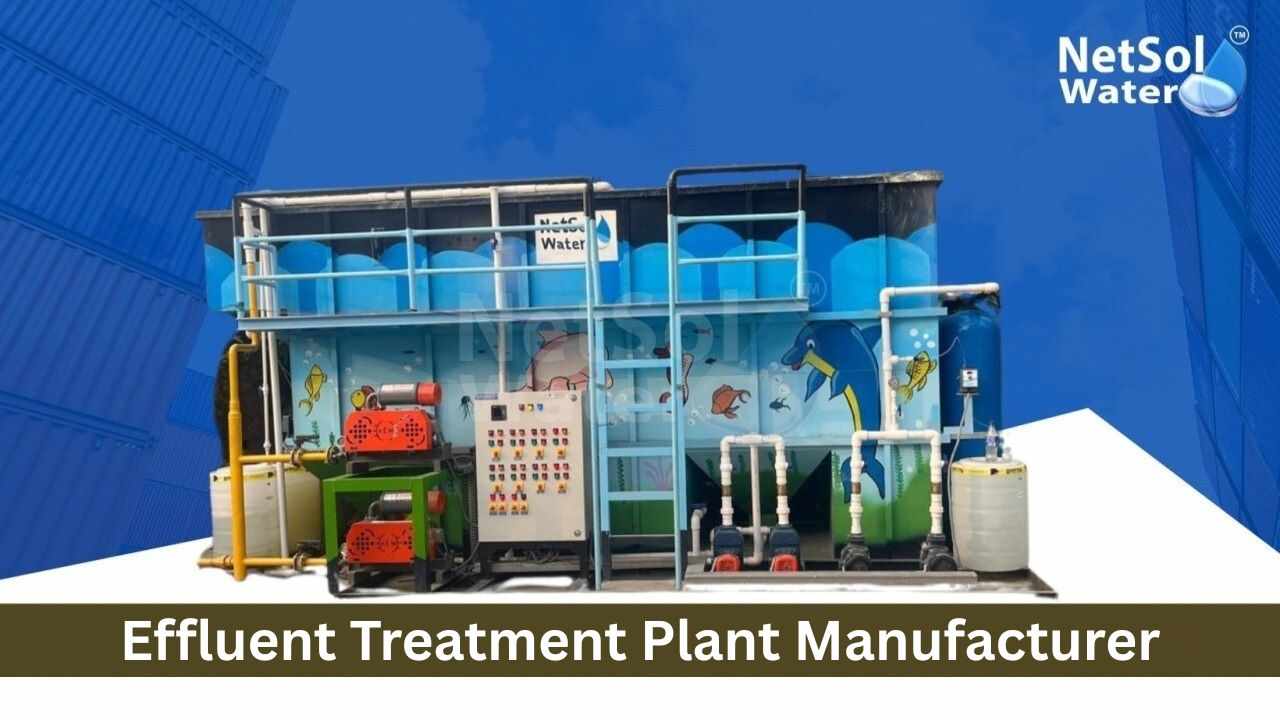
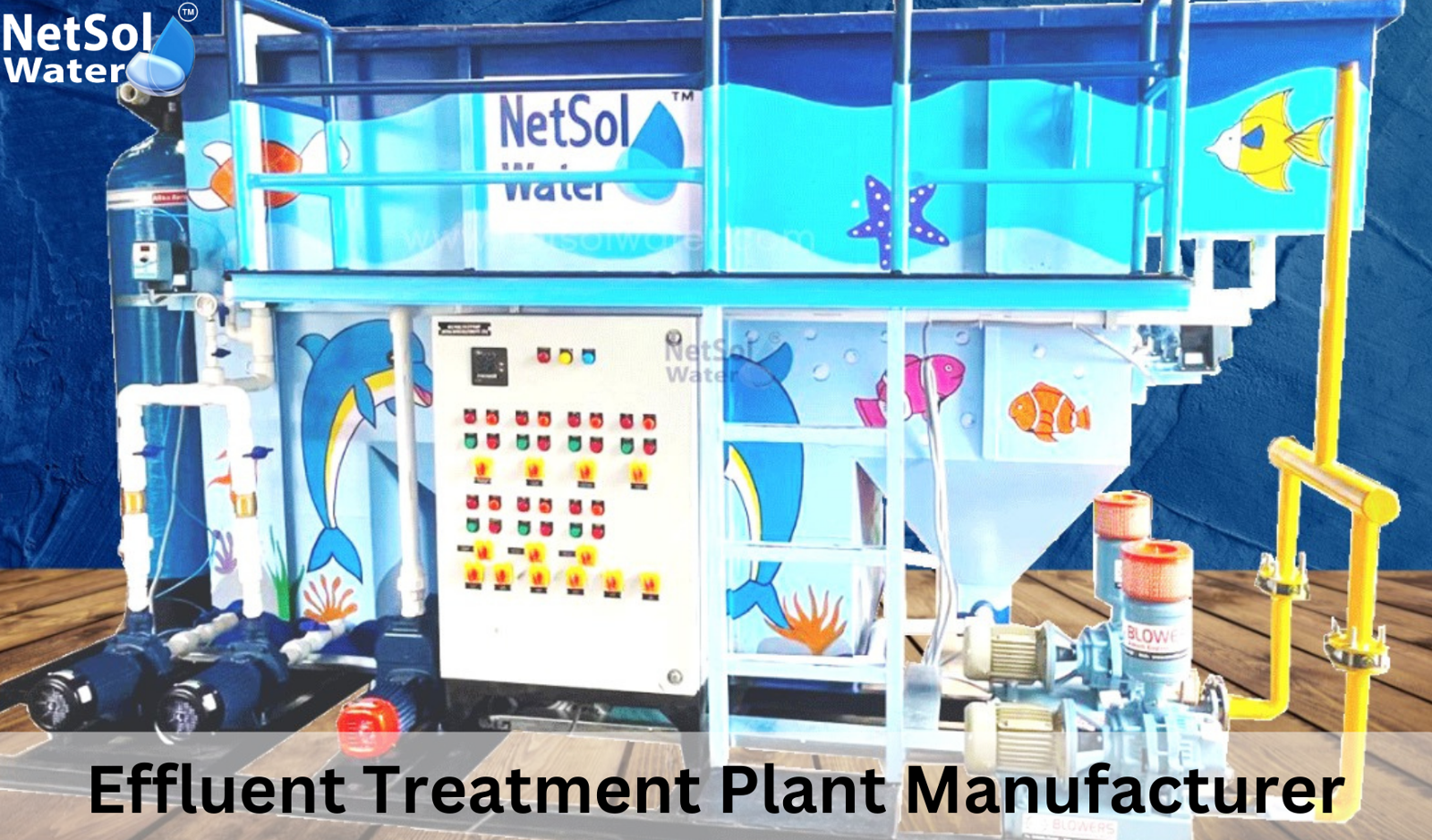
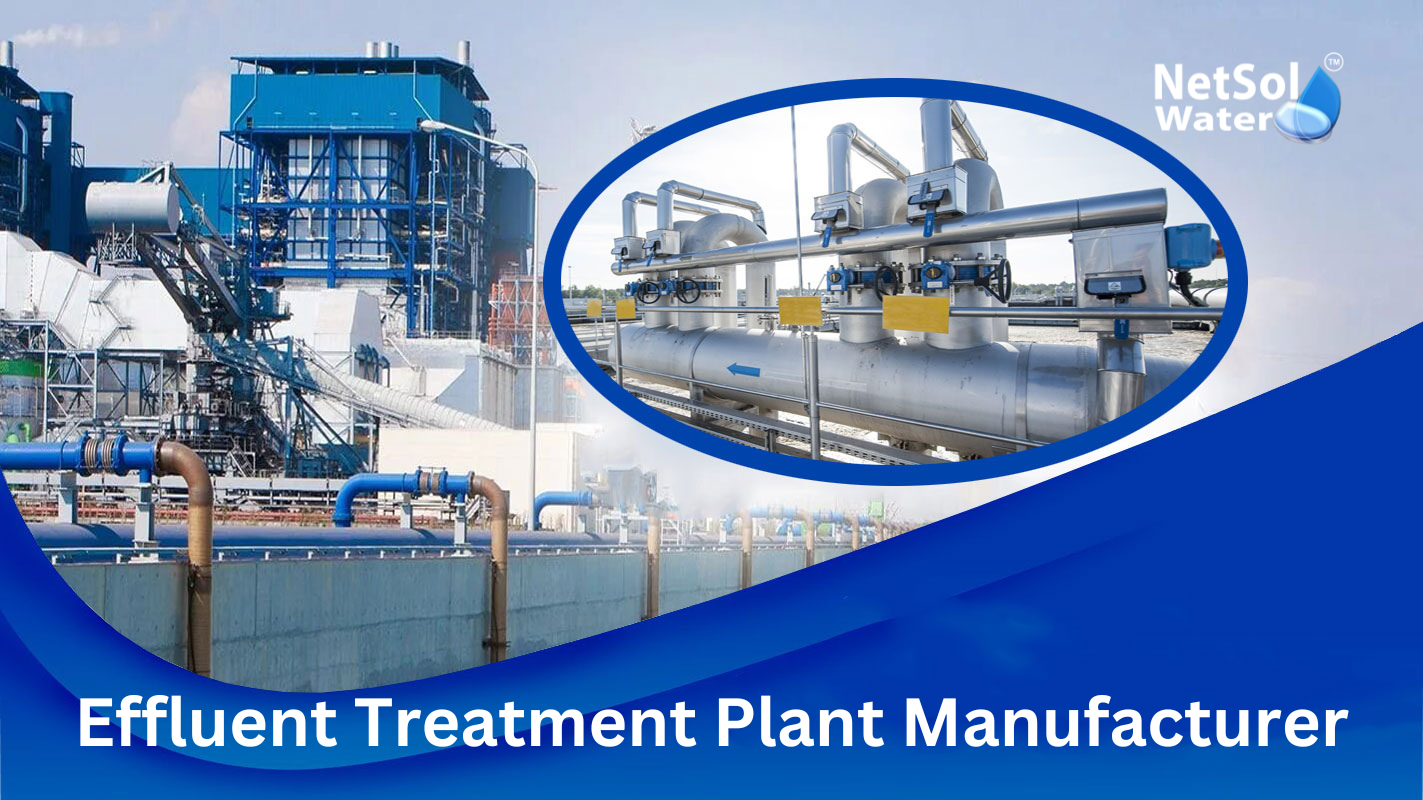
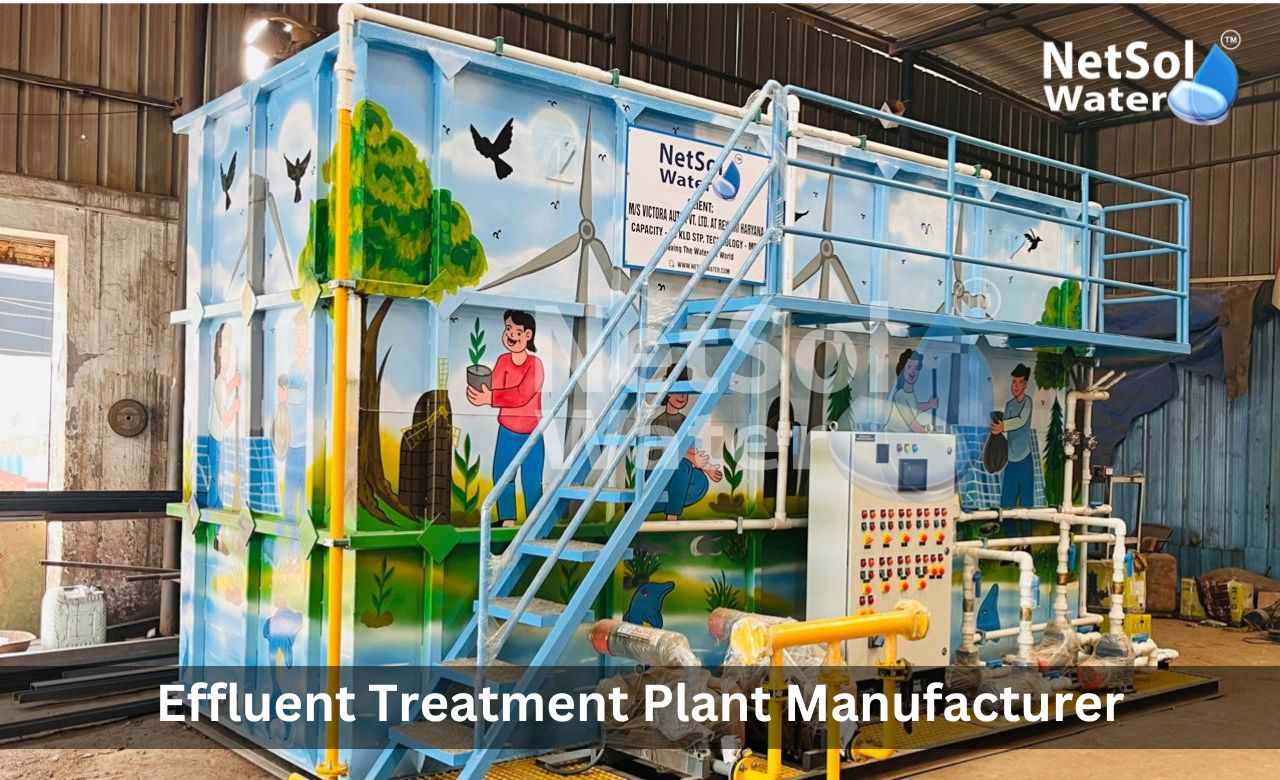
When it comes to building an Effluent Treatment Plant (ETP) that works efficiently and lasts for years, choosing the right materials and components matters more than you might think. In Delhi and the surrounding National Capital Region (NCR), top ETP manufacturers have learned what works best through real-world experience. In this friendly guide, we’ll walk you through what these experts recommend, why it matters, and how each choice makes your wastewater treatment system more reliable. Netsol Water is a leading Effluent Treatment Plant Manufacturer in Delhi, providing advanced solutions for wastewater management.
Whether you’re an industrial facility manager, an environmental professional, or simply curious about wastewater treatment, this article will give you an insider’s look into material selection for ETPs, backed by insights from leading Effluent Treatment Plant Manufacturers and suppliers. Let’s get started.
🌊 Why Material & Component Selection Matters in ETPs
Building an Effluent Treatment Plant is not just about assembling equipment. The choices you make in materials and components will directly affect:
Durability: The plant must withstand harsh environments for long periods without frequent repairs.
Corrosion resistance: Industrial effluent often contains acids, salts, and other corrosive compounds.
Efficiency: The right parts help biological and chemical processes work smoothly.
Maintenance costs: Good materials reduce long-term service needs.
Compliance: Delhi plants must meet strict discharge norms from bodies like DPCC and CPCB.
Using high-quality materials ensures the plant operates safely and consistently. Next, we delve into exactly what materials and parts leading manufacturers prefer.
🧱 Core Materials for ETP Construction
1 . Stainless Steel (SS) — Strong & Corrosion-Resistant
One of the top recommendations from many manufacturers is stainless steel for structural parts, piping, and tanks. SS handles corrosive effluent better than most metals. It also lasts longer in humid conditions often found around aeration or chemical dosing systems.
Why it’s great:
High resistance to rust and chemicals
Strong mechanical properties
Easy to clean and maintain
However, stainless steel can be costly, so some plants use it only where the chemical exposure is highest.
2 . Fibre-Reinforced Plastic (FRP) — Lightweight & Durable
FRP is widely used for tanks and vessels because it’s light and doesn’t corrode like metal. Delhi’s top ETP designers often choose FRP for equalization tanks, neutralization tanks, and smaller chemical storage units.
Highlights:
Excellent corrosion resistance
Lower weight means easier installation
Good performance in acidic or alkaline environments
This makes FRP ideal when you want a balance between performance and cost.
3 . Mild Steel with Protective Linings — Budget-Friendly with Extra Protection
For larger tanks and civil structures, mild steel (MS) may be used, provided it has protective coatings or linings such as epoxy or rubber. The lining acts as a barrier against corrosive wastewater.
Benefits:
Lower upfront cost
With linings, acceptable resistance to corrosion
Works well for bigger tanks where full SS or FRP would be expensive
4 . Reinforced Concrete — Strength for Large Volumes
Reinforced concrete is another reliable option, especially for big basins or clarifiers. It’s highly durable and cost-effective for large capacity plants.
Good choice when:
You have space
You need heavy-duty structures
Budget is tight
Concrete works well with other materials but needs planning to avoid cracking or seepage over time.
⚙️ Key Components Every Quality ETP Should Have
Now that materials are covered, what about the parts that go into a well-functioning treatment system? Leading Effluent Treatment Plant Manufacturers in Delhi agree that these components make all the difference.
🚰 1 . Pumps — The Heart of Fluid Movement
No ETP works without reliable pumps. These include:
Centrifugal pumps for moving wastewater across stages
Sludge pumps for heavy, sludge-laden streams
Industrial-grade pumps ensure constant flow even under rough conditions.
Tips from pros:
Always choose corrosion-resistant pump materials.
Match pump size to flow rates to avoid early failure.
🌬️ 2 . Aeration Systems & Blowers — Fuel for Biology
Biological stages like activated sludge or MBBR (Moving Bed Biofilm Reactor) rely on oxygen. That’s where aeration blowers and diffusers come in. Good quality blowers deliver consistent airflow, boosting microorganism activity that breaks down organic material.
Components to focus on:
Efficient blowers
Corrosion-resistant diffusers
Air distribution headers
When matched correctly, aeration systems reduce energy use and improve treatment performance.
🧪 3 . Chemical Dosing Systems — Precise & Protected
To control pH or assist coagulation, dosing systems use chemicals like lime, alum, and flocculants. These require accurate pumps, tanks, and controls made from materials that withstand chemicals.
Important part features:
Resistant tanks (FRP or lined MS)
Reliable metering pumps
Safety-oriented controls
Right dosing systems lead to consistent chemical reactions and better overall treatment.
🧫 4 . Biological Media & Filters — Boosting Treatment Efficiency
Media like MBBR carriers and membrane filters support biological growth or separate solids. Manufacturers often pick HDPE or specialized plastics for media elements, as they resist corrosion and wear.
Types you’ll find:
MBBR media for biological support
Sand and carbon filters for polishing
Membrane modules for advanced treatment
💡 5 . Control Panels & Sensors — Smart Operation
Modern ETPs include PLC or SCADA systems with sensors for pH, dissolved oxygen (DO), and flow. These electronics are housed in corrosion-protected enclosures to keep rain, chemicals, and dust out.
Why they matter:
Real-time monitoring
Fewer manual errors
Easier compliance reporting
This automation adds efficiency and peace of mind, especially in busy industrial sites.
♻️ 6 . Sludge Handling & Disposal Units
Sludge must be thickened, dewatered, and disposed properly. Whether it’s drying beds or mechanical units like filter presses, components need to be strong and corrosion-proof.
Smart sludge handling improves plant uptime and reduces operational headaches.
📌 Bonus Tips from Delhi ETP Experts
Here are a few insider recommendations that top manufacturers often share:
✔️ Think Long-Term
Choose quality over cheap parts. It may cost a bit more at the start, but it pays off with fewer breakdowns.
✔️ Match Components to Effluent Type
Different industries produce different waste paints, chemicals, or oils. Tailoring materials and parts based on influent characteristics improves performance.
✔️ Prioritize Safety & Compliance
Make sure the plant meets DPCC and CPCB norms for discharge. Good materials and control systems help you stay compliant and avoid penalties.
✔️ Plan for Maintenance Access
Design your layout so technicians can reach pumps, blowers, and valves easily. This keeps maintenance fast and simple.
🏁 Final Thoughts
Selecting the right materials and components for your Effluent Treatment Plant isn’t just a technical task. It’s a strategic choice that defines reliability, performance, and long-term cost. Whether you pick stainless steel for corrosion resistance or FRP for lightweight strength, every decision plays a role in the plant’s success.
In Delhi’s competitive environmental landscape, working with trusted Effluent Treatment Plant Manufacturer who understand local needs and compliance standards makes all the difference. Manufacturers like those featured on industry sites combine practical engineering with quality materials and smart components to deliver efficient, robust solutions.
By choosing wisely today, you set your ETP up for smoother operations, lower maintenance, and healthier water for tomorrow.


Write a comment ...