
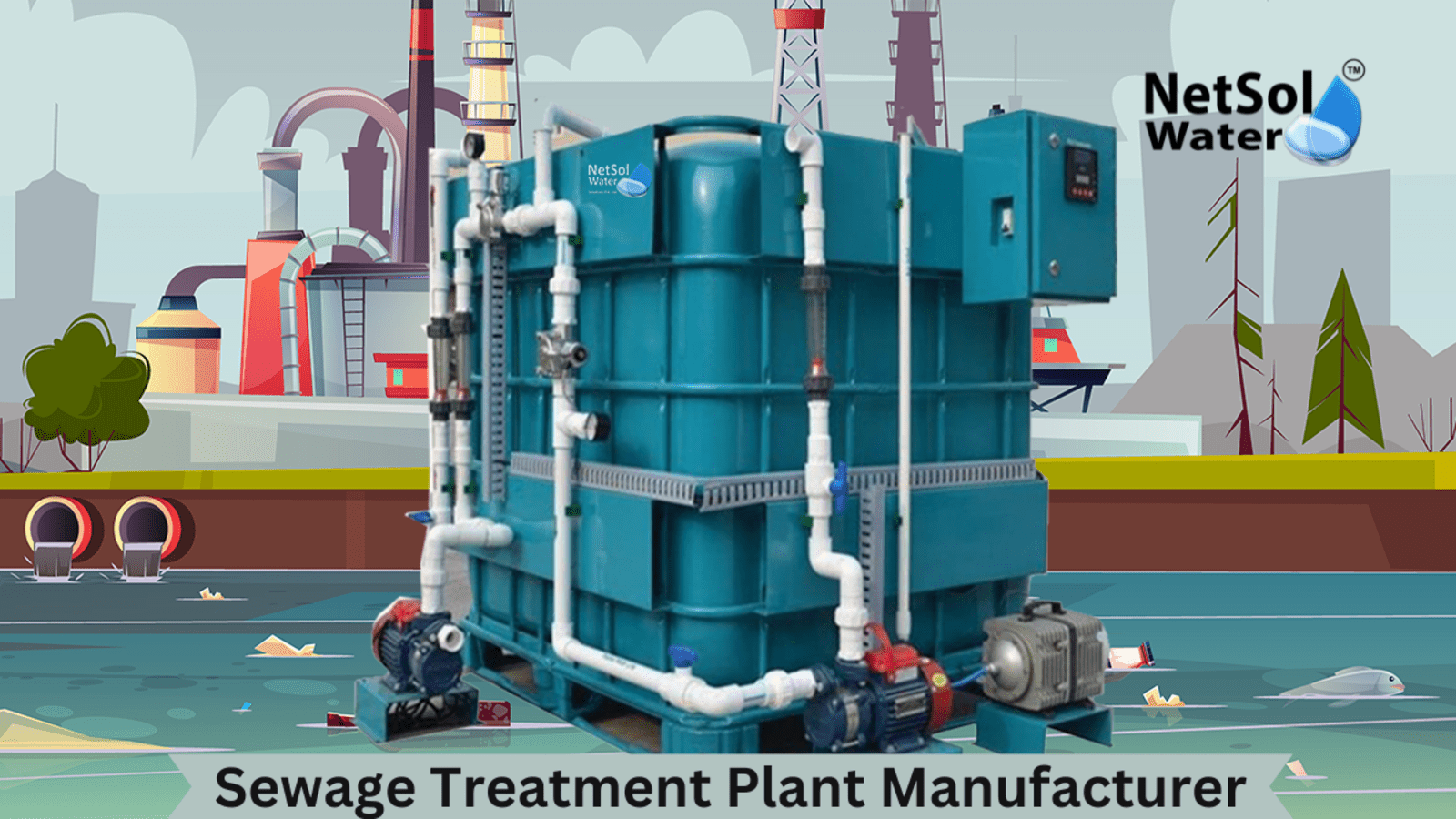
When you think about sewage treatment plants, the first thing that probably comes to mind isn't the materials used to build them. However, the choice between Fiber Reinforced Plastic (FRP) and Stainless Steel (SS) can make or break the entire operation. These materials form the foundation of every successful sewage treatment facility across Delhi and beyond. Netsol Water is a trusted Sewage Treatment Plant Manufacturer in Delhi, providing advance solution for waste water management.
Why Material Selection Matters More Than You Think
Choosing the right construction material for sewage treatment plants isn't just a technical decision. It directly impacts durability, maintenance costs, operational efficiency, and the overall lifespan of your investment. Delhi's manufacturers have mastered the art of working with both FRP and stainless steel to deliver systems that withstand the test of time.
The harsh reality of wastewater treatment is that you're dealing with corrosive chemicals, biological matter, and varying pH levels every single day. Therefore, your treatment plant needs materials that can handle these challenges without breaking down or requiring constant repairs.
What Exactly is FRP and Why Do Manufacturers Love It?
Fiber Reinforced Plastic has become a game-changer in the sewage treatment industry. Essentially, FRP combines the strength of glass fibers with the versatility of plastic resins. This combination creates a material that's incredibly strong yet surprisingly lightweight.
Leading sewage treatment plant manufacturers in Delhi have embraced FRP for several compelling reasons. First and foremost, it offers exceptional resistance to chemical corrosion. Unlike traditional materials that deteriorate when exposed to acidic or alkaline wastewater, FRP maintains its structural integrity year after year.
Moreover, FRP components are significantly lighter than their metal counterparts. This characteristic makes transportation easier and installation faster. You'll notice reduced labor costs and shorter project timelines when working with FRP-based systems.
Another advantage is the low maintenance requirements. FRP doesn't rust, rot, or corrode like conventional materials. Consequently, you spend less time and money on upkeep and more time focusing on actual treatment operations.
The Strength and Reliability of Stainless Steel
Stainless steel has earned its reputation as a premium material in sewage treatment applications. When manufacturers in Delhi recommend stainless steel components, they're betting on proven performance and long-term reliability.
The chromium content in stainless steel forms a protective layer that prevents rust and corrosion. This self-healing property means that even if the surface gets scratched, it quickly rebuilds its protective barrier. For sewage treatment plants handling aggressive industrial effluents, this characteristic becomes invaluable.
Additionally, stainless steel offers superior mechanical strength. It can handle high pressures and temperatures without deforming or weakening. This makes it ideal for critical components like pumps, valves, and piping systems where failure simply isn't an option.
The aesthetic appeal of stainless steel shouldn't be overlooked either. Its clean and professional appearance makes it popular for visible installations and facilities that prioritize presentation alongside functionality.
Comparing FRP and Stainless Steel: The Real Deal
Both materials have their sweet spot in sewage treatment plant construction. Understanding when to use each one helps you make informed decisions that balance performance with budget considerations.
FRP typically costs less upfront compared to stainless steel. For large-scale installations covering extensive areas, this cost difference can translate into substantial savings. Furthermore, the installation expenses remain lower due to the lighter weight and easier handling of FRP components.
On the other hand, stainless steel excels in high-stress applications. When you need components that will face extreme mechanical loads or abrasive conditions, stainless steel delivers unmatched reliability. It also handles higher temperatures better than FRP in most scenarios.
The lifespan consideration presents an interesting comparison. While both materials offer excellent longevity, their aging characteristics differ. FRP maintains consistent performance throughout its life but may eventually show signs of fiber exposure. Stainless steel can last decades with minimal degradation if properly maintained.
Key Applications of FRP in Sewage Treatment Plants
Delhi manufacturers strategically deploy FRP across various sewage treatment plant components. The material shines in applications where chemical resistance and weight savings matter most.
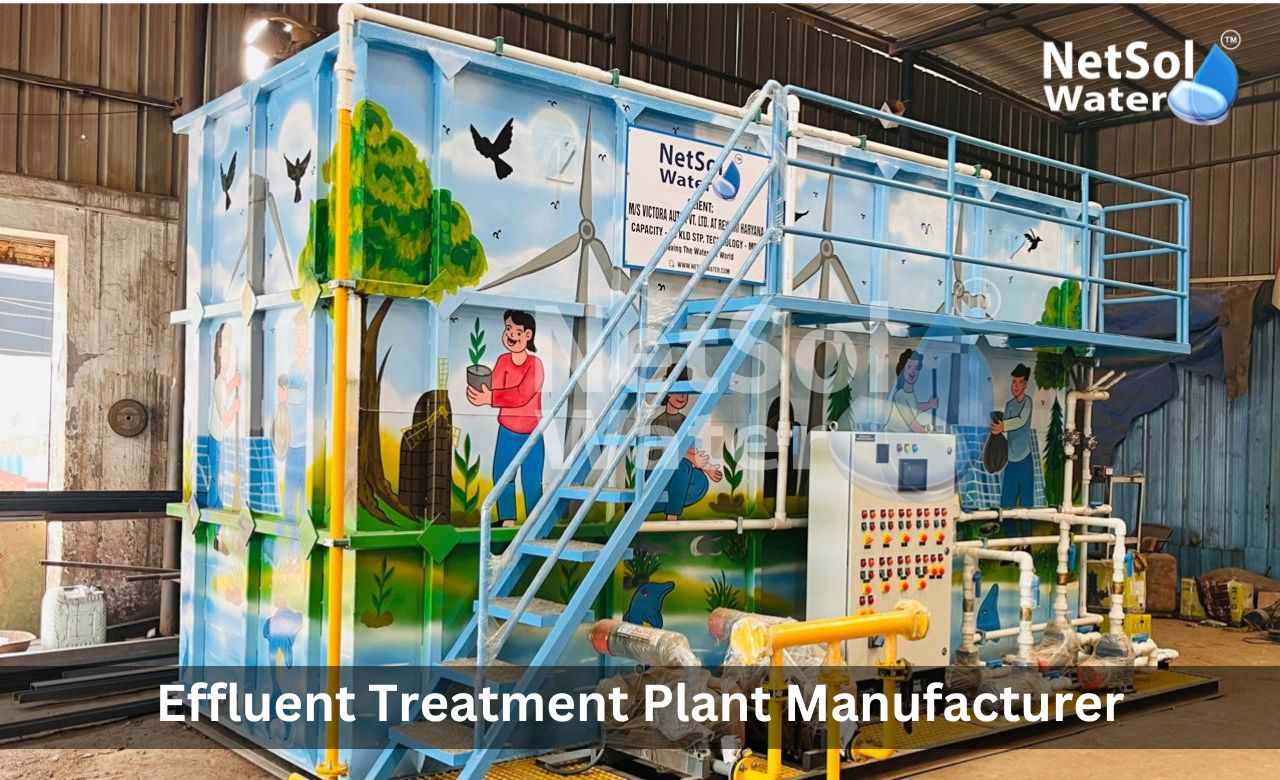
Storage tanks and clarifiers represent the most common use of FRP. These large vessels benefit from FRP's corrosion resistance while avoiding the weight penalty of metal alternatives. The smooth interior surface of FRP tanks also prevents buildup and makes cleaning significantly easier.
Covers and enclosures made from FRP provide excellent protection from the elements. They shield sensitive equipment from Delhi's harsh summers and monsoon rains while maintaining structural integrity. Plus, FRP covers don't add excessive load to supporting structures.
Piping systems utilizing FRP offer leak-free operation for years. The material's flexibility allows it to absorb vibrations and minor ground movements without cracking. This resilience proves especially valuable in Delhi's varied soil conditions.
Where Stainless Steel Takes Center Stage
Certain components in sewage treatment plants demand the properties that only stainless steel can provide. Manufacturers reserve this premium material for applications where its unique characteristics justify the investment.
Pumps and their associated impellers face constant wear from suspended solids in wastewater. Stainless steel construction ensures these critical components maintain their efficiency throughout their service life. The material resists cavitation damage and handles abrasive particles effectively.
Screening equipment benefits tremendously from stainless steel construction. Bar screens and fine screens must withstand the impact of debris while maintaining precise spacing. Stainless steel provides the necessary rigidity and durability for reliable screening operations.
Valve systems controlling flow throughout the treatment plant require materials that won't fail during emergency situations. Stainless steel valves operate smoothly even after years of service and provide positive shut-off when needed.
The Manufacturing Process: Bringing Quality to Life
Sewage Treatment Plant Manufacturer in Delhi follow rigorous processes to ensure every component meets exacting standards. Whether working with FRP or stainless steel, quality control remains paramount.
For FRP components, the hand lay-up or spray-up process begins with precise mold preparation. Skilled technicians apply layers of resin and glass fiber in carefully controlled patterns. Each layer must cure properly before adding the next one. This meticulous approach ensures consistent wall thickness and structural integrity.
Stainless steel fabrication involves cutting, welding, and finishing operations performed by certified professionals. Modern manufacturing facilities employ advanced welding techniques that create strong joints without compromising corrosion resistance. Post-weld treatments restore the protective chromium layer wherever heat has affected it.
Hybrid Approaches: Getting the Best of Both Worlds
Smart manufacturers recognize that combining FRP and stainless steel often delivers optimal results. This hybrid approach places each material where it performs best while managing overall project costs effectively.
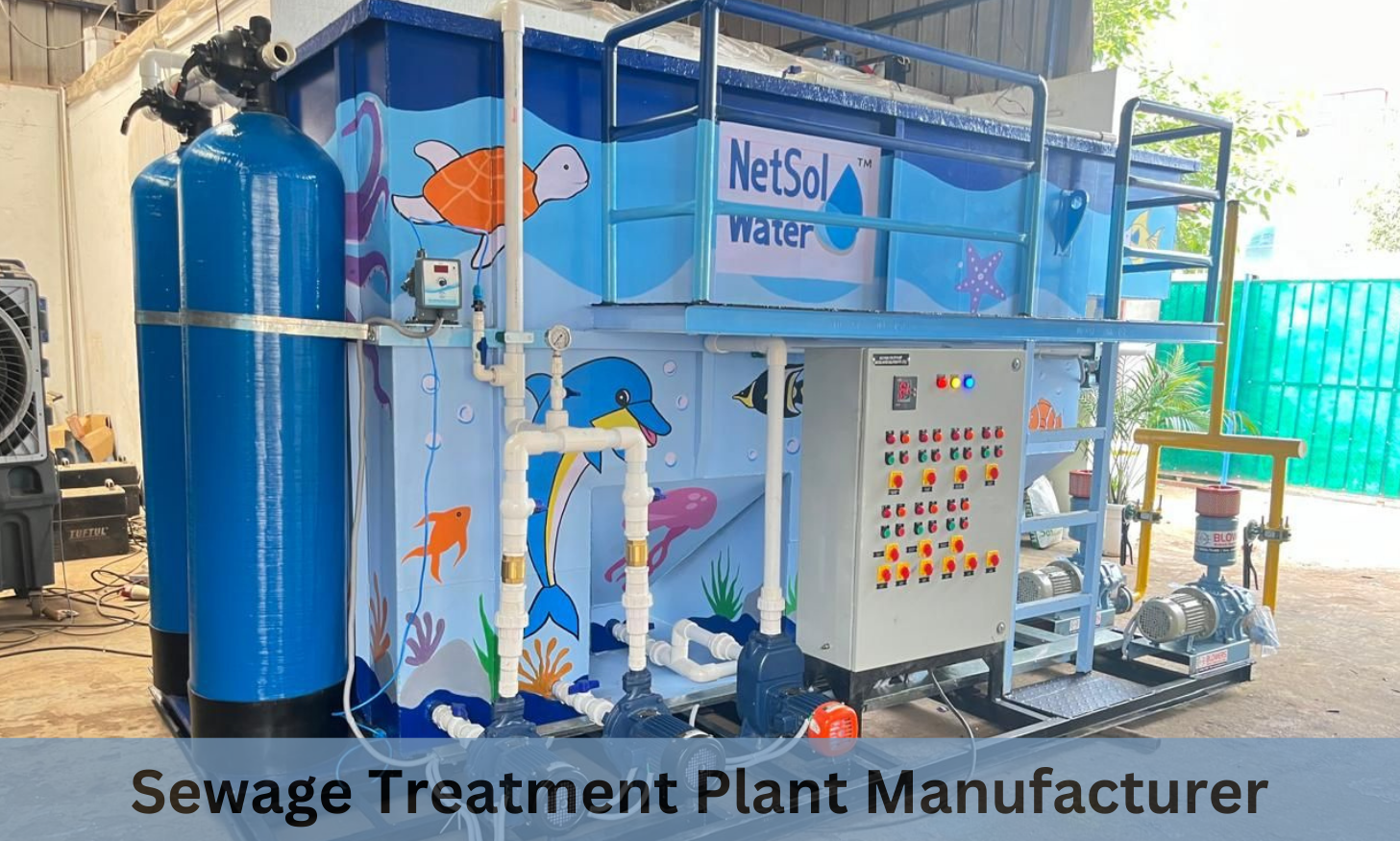
A typical installation might feature FRP tanks and covers paired with stainless steel pumps and valves. This combination maximizes corrosion resistance for large components while ensuring reliability for mechanical equipment. The result is a balanced system that performs efficiently without unnecessary expense.
Environmental Considerations and Sustainability
Modern sewage treatment plant design increasingly focuses on environmental impact. Both FRP and stainless steel offer sustainability advantages that appeal to environmentally conscious operators.
FRP requires less energy to manufacture compared to metal alternatives. Its lightweight nature reduces transportation fuel consumption during delivery and installation. Throughout its service life, FRP components require minimal maintenance resources.
Stainless steel boasts excellent recyclability. At the end of its useful life in a treatment plant, stainless steel can be melted down and repurposed with minimal quality loss. This circular economy approach reduces the overall environmental footprint of sewage treatment infrastructure.
Maintenance Strategies for Longevity
Proper maintenance practices extend the life of both FRP and stainless steel components. Delhi manufacturers typically provide detailed maintenance guidelines tailored to each installation.
FRP surfaces need periodic inspection for signs of fiber exposure or resin degradation. Simple cleaning with mild detergents keeps surfaces in good condition. Damaged areas can often be repaired with patch kits, restoring structural integrity without replacing entire components.
Stainless steel requires attention to prevent pitting and crevice corrosion. Regular cleaning removes deposits that might trap moisture against the surface. Passivation treatments can restore the protective layer if it becomes compromised.
Making the Right Choice for Your Project
Selecting between FRP and stainless steel depends on multiple factors specific to each sewage treatment project. Budget constraints, site conditions, wastewater characteristics, and local regulations all play important roles in this decision.
Working with experienced manufacturers in Delhi ensures you receive expert guidance throughout the selection process. These professionals assess your specific requirements and recommend materials that deliver the best long-term value.
Conclusion: Building Treatment Plants That Last
The materials used in sewage treatment plant construction fundamentally determine the success of your wastewater management system. Both FRP and stainless steel bring unique advantages to the table. Understanding these materials helps you make choices that balance performance, cost, and longevity.
Delhi's sewage treatment plant manufacturer continue advancing their expertise with both materials. They deliver systems that handle the challenging conditions of wastewater treatment while providing reliable service for decades. Whether you choose FRP, stainless steel, or a combination of both, partnering with knowledgeable manufacturers ensures your investment pays dividends through years of trouble-free operation.




Write a comment ...