
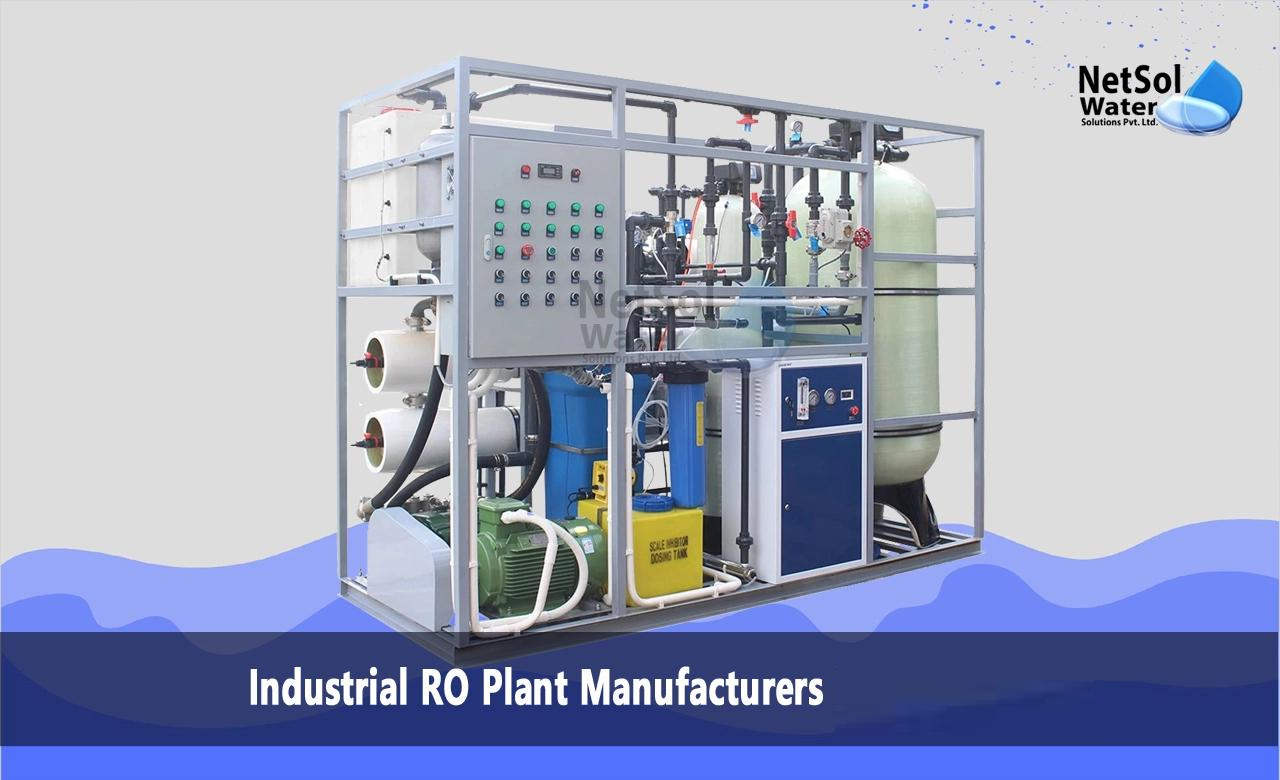
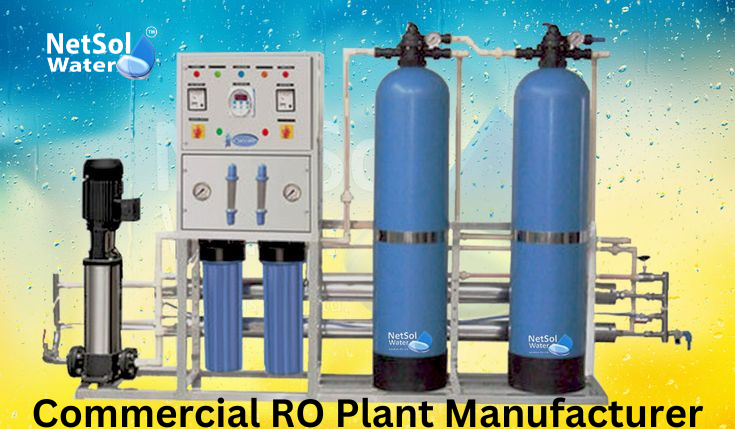
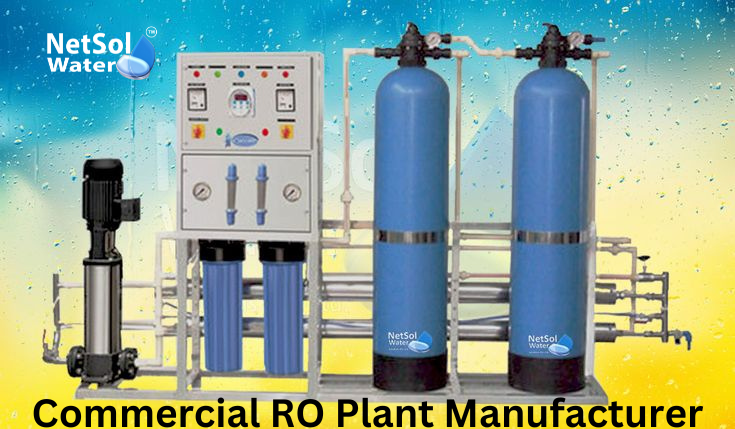
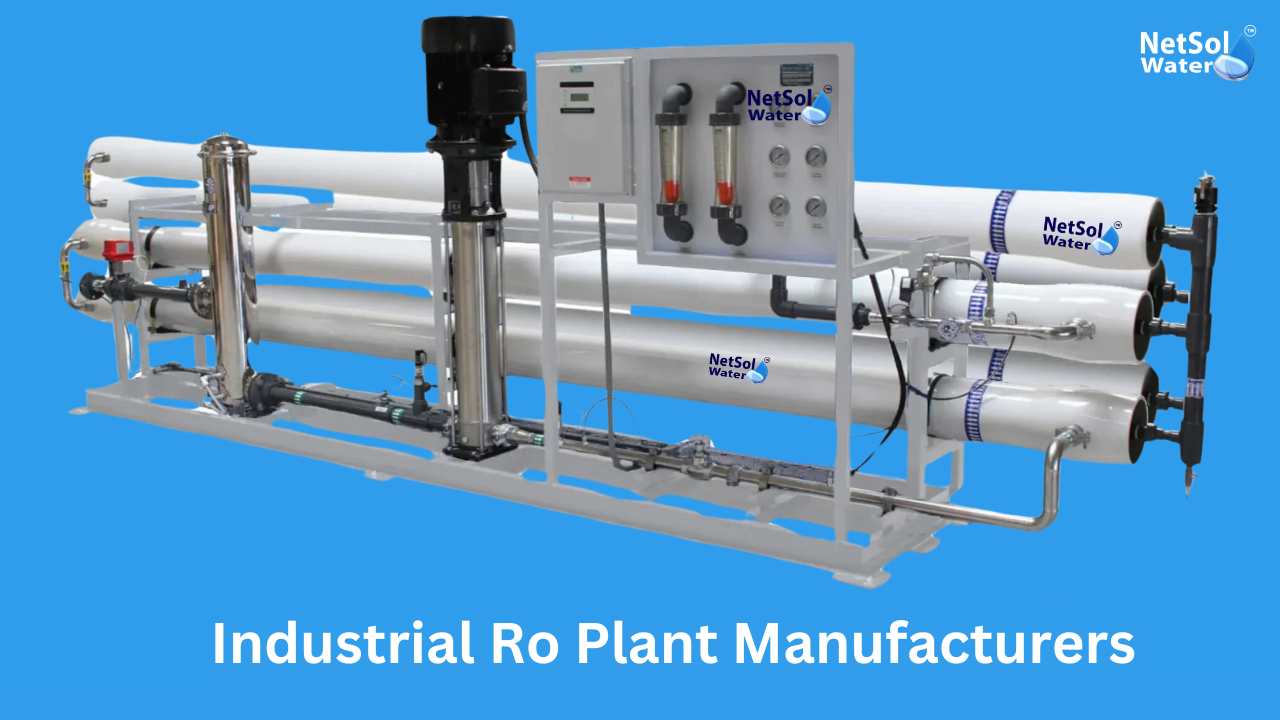
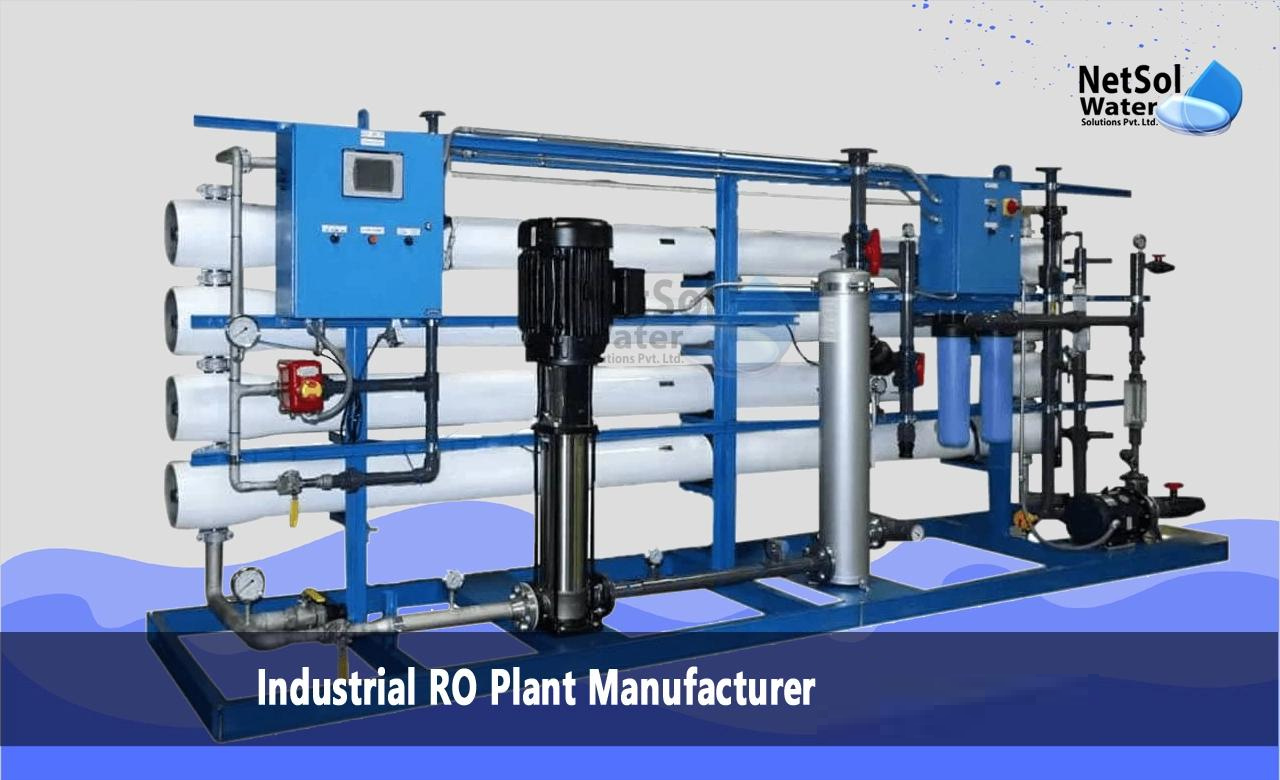
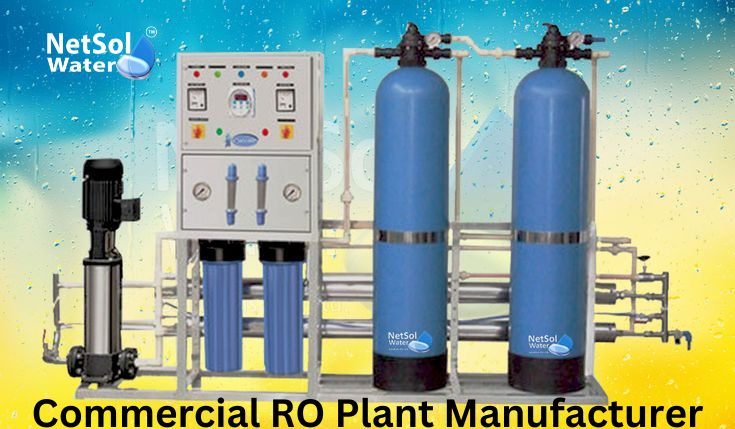
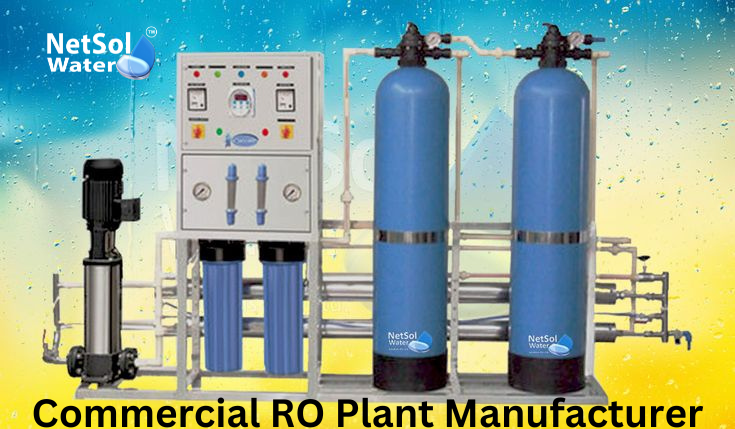
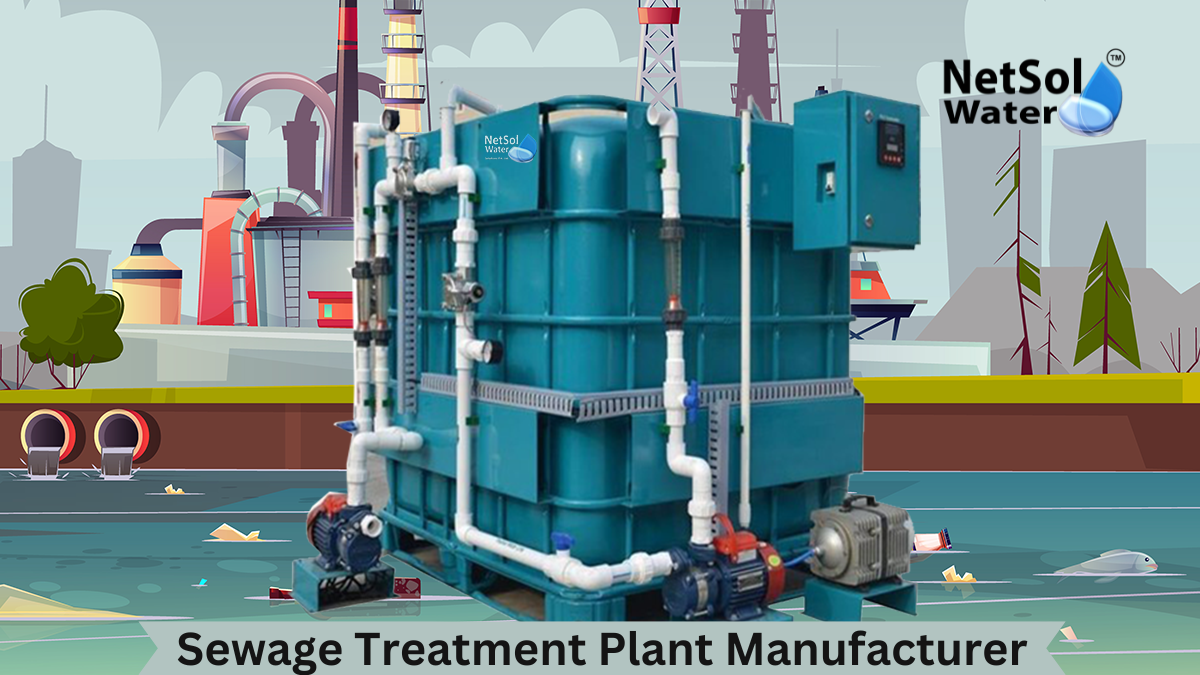
Quality matters profoundly when investing in commercial water treatment equipment. A commercial RO plant represents a significant capital expenditure that directly impacts your operations for years to come. Poor quality systems fail prematurely, produce substandard water and drain resources through constant repairs. Conversely, properly certified equipment from quality manufacturers delivers reliable performance that justifies the investment. Netsol Water is a trusted Commercial RO Plant Manufacturer in Noida, offering waste water solution.
Noida has developed into a prominent manufacturing center for water treatment systems within the National Capital Region. The city's industrial infrastructure and skilled workforce support numerous Commercial RO Plant Manufacturers. However, not all manufacturers maintain the same quality standards despite similar marketing claims. Understanding certifications and quality benchmarks helps you identify truly reliable suppliers.
This comprehensive guide explores the certifications, quality standards and best practices that distinguish exceptional manufacturers from mediocre ones. We'll examine what various certifications actually mean, how to verify quality claims and why these factors matter for your investment. Armed with this knowledge, you can confidently select manufacturers who deliver genuine quality rather than just promises.
Understanding Essential Quality Certifications
ISO 9001: Foundation of Quality Management
ISO 9001 certification represents the international standard for quality management systems. This certification indicates that a manufacturer follows documented processes for design, production, testing and customer service. Companies must undergo rigorous audits by accredited certification bodies to earn and maintain this credential.
However, ISO 9001 alone doesn't guarantee superior products. It verifies that consistent processes exist but doesn't directly evaluate product performance. Think of it as a baseline expectation rather than a definitive quality seal. Reputable Noida manufacturers hold ISO 9001 certification as a minimum qualification alongside other credentials.
When evaluating manufacturers, ask for their ISO 9001 certificate and verify its validity. Check the certification body, issuance date and scope of certification. Some companies claim ISO certification based on expired credentials or certifications that cover only portions of their operations.
ISO 14001: Environmental Management Commitment
ISO 14001 certification demonstrates a manufacturer's commitment to environmental management practices. This standard ensures companies minimize their environmental impact through waste reduction, pollution prevention and resource conservation. For water treatment manufacturers, this certification shows environmental responsibility beyond just their products.
Manufacturing processes inevitably generate waste and consume resources. Companies certified to ISO 14001 implement systems for managing these impacts responsibly. They track energy consumption, manage hazardous materials properly and continuously improve environmental performance.
This certification matters because it reflects the manufacturer's values and operational maturity. Companies serious about environmental management typically extend that conscientiousness to product quality and customer relationships as well.
Product-Specific Certifications and Approvals
Beyond management system certifications, specific product approvals carry significant weight. NSF International certification for components like membranes and filters validates they meet stringent health and safety standards. Products certified by NSF have undergone rigorous testing for contaminant reduction and material safety.
Bureau of Indian Standards (BIS) certification provides local validation that equipment meets Indian regulatory requirements. BIS certification for pressure vessels, electrical components and complete systems ensures compliance with national safety standards. This certification becomes particularly important for meeting local regulatory requirements.
CE marking indicates compliance with European Union safety, health and environmental protection standards. While not mandatory for domestic Indian sales, CE certification demonstrates that manufacturers meet international quality benchmarks. It also facilitates exports and signals commitment to global standards.
Component Quality: The Building Blocks of Reliability
Membrane Selection and Sourcing
RO membranes represent the heart of any commercial system and their quality fundamentally determines performance. Leading Commercial RO Plant Manufacturers in Noida source membranes from internationally recognized brands like Dow, DuPont or Toray. These premium membranes deliver consistent performance, better rejection rates and longer service life.
Generic or unknown membrane brands cost significantly less but typically underperform and fail prematurely. Ask manufacturers specifically which membrane brands they use and verify this information. Reputable companies proudly specify premium brands while vague responses often hide inferior components.
Membrane housing materials also matter considerably. Food-grade FRP or stainless steel vessels resist corrosion and contamination far better than mild steel alternatives. Quality manufacturers use appropriate vessel materials matched to your water chemistry and application requirements.
Pump Quality and Reliability
High-pressure pumps drive the RO process and their reliability directly impacts system uptime. Established pump brands like Grundfos, CNP or equivalent deliver proven performance backed by global service networks. These pumps feature robust construction, efficient operation and readily available spare parts.
Unknown pump manufacturers may offer lower prices but often sacrifice reliability and efficiency. Pump failures cause system downtime that disrupts operations and creates emergency repair expenses. The incremental cost of quality pumps proves negligible compared to reliability benefits they deliver.
Ask about pump specifications including motor ratings, materials of construction and expected service life. Quality manufacturers provide detailed component specifications rather than generic descriptions that prevent meaningful evaluation.
Pre-Treatment Component Standards
Filters, softeners and chemical dosing systems comprise essential pre-treatment protecting expensive RO membranes. Quality manufacturers use certified filter media, food-grade softener resins and approved chemical dosing equipment. These components must meet safety standards since they contact water destined for human consumption.
Sediment filters should use certified polypropylene cartridges that don't introduce contaminants. Activated carbon filters require NSF-certified carbon effective for chlorine and organic removal. Water softeners need food-grade resin approved for potable water applications.
Chemical dosing pumps handling antiscalants and pH adjusters must provide accurate metering with chemical-resistant construction. Quality dosing systems prevent both under-dosing that allows scaling and over-dosing that wastes chemicals or creates water quality issues.

Manufacturing Standards and Quality Control
Factory Standards and Facilities
Walk through a manufacturer's facility whenever possible to assess their capabilities firsthand. Professional operations maintain clean, organized production areas with proper equipment and tools. Well-maintained facilities generally produce better quality products than chaotic workshops.
Observe whether they use proper welding equipment, pressure testing stations and quality inspection tools. Advanced manufacturers employ CNC machining centers for precision fabrication and automated welding for consistent quality. These investments in manufacturing infrastructure translate directly to product reliability.
Check if they maintain separate areas for different production stages including fabrication, assembly and testing. Proper workflow organization prevents contamination and ensures systematic quality checks throughout production.
Testing Protocols and Documentation
Comprehensive testing before delivery ensures systems perform as specified. Quality manufacturers conduct factory acceptance tests documenting flow rates, rejection rates, pressure drops and recovery percentages. They provide detailed test reports showing your specific system meets promised specifications.
Pressure testing of vessels and piping proves critical for safety. All pressure-bearing components should undergo hydrostatic testing at pressures exceeding normal operation. This testing identifies potential leaks or weaknesses before systems reach customers.
Performance testing using standardized test conditions allows fair comparison between systems. Ask manufacturers about their testing protocols and request copies of test reports from similar systems. Companies confident in their quality eagerly share this documentation.
Traceability and Documentation
Professional manufacturers maintain comprehensive documentation tracking materials, components and assembly processes for each system. This traceability enables quick identification of issues and facilitates warranty service when needed. It also demonstrates systematic quality management.
Each system should include an equipment manual containing specifications, operation instructions, maintenance schedules and troubleshooting guides. Complete documentation helps your team operate systems correctly and maintain them properly. Poor documentation often signals inadequate quality management overall.
Request to see sample documentation packages before making purchase decisions. The comprehensiveness and professionalism of documentation reflects the manufacturer's overall quality commitment and capability.
Water Quality Standards and Compliance
Understanding Output Water Specifications
Different applications require different water quality levels. Drinking water must meet IS 10500 standards established by the Bureau of Indian Standards. Industrial applications may need USP purified water or even water for injection standards. Quality manufacturers understand these requirements and design systems accordingly.
Ask manufacturers which water quality standards their systems achieve and how they verify this. They should provide test reports documenting that output water meets relevant specifications for TDS, microbial content and specific contaminants relevant to your application.
Recovery rates and operational efficiency also reflect system quality. Well-designed systems achieve 60-75% recovery from typical municipal water supplies. Lower recovery rates may indicate poor design or use of inferior membranes despite adequate water quality.
Regulatory Compliance Capabilities
Commercial RO systems must comply with various regulatory requirements depending on application and location. State pollution control boards regulate discharge of concentrate waste. Health departments oversee systems producing potable water. Industrial applications face sector-specific regulations.
Experienced Noida manufacturers understand these regulatory landscapes and design compliant systems. They provide documentation supporting regulatory approvals and assist with submission processes. This expertise proves invaluable for navigating complex approval requirements.
Ask about their experience obtaining approvals for similar applications. Manufacturers familiar with regulatory requirements save you time and prevent costly redesigns addressing compliance issues discovered late in projects.
Vendor Assessment and Due Diligence
Verifying Manufacturer Credentials
Don't simply accept certification claims at face value. Request copies of actual certificates and verify their validity. ISO certificates should show the certification body, scope, issuance date and expiration. You can often verify authenticity through the certification body's website.
Check whether certifications cover the specific facility producing your equipment. Some companies hold certifications for one location but produce equipment elsewhere without equivalent quality systems. Clarify where your system will be manufactured and what certifications apply.
Search for the manufacturer's reputation through online reviews, industry forums and customer references. While no company pleases everyone, patterns of complaints about quality or service signal potential problems worth investigating further.
Visiting Manufacturing Facilities
Site visits provide insights impossible to gain through documents alone. Schedule visits to manufacturers' facilities to observe their operations firsthand. Quality companies welcome such visits and view them as opportunities to demonstrate capabilities.
During visits, assess overall organization, cleanliness and equipment condition. Talk with production staff about their experience and training. Well-trained, long-tenured employees typically indicate good management and stable quality.
Observe systems under production and ask about specific quality control measures. Watch whether they follow documented procedures or work haphazardly. Systematic approaches indicate reliable quality while improvised methods suggest inconsistent results.
Reference Checks and Past Performance
Request references from customers with applications similar to yours. Contact these references to learn about their experiences regarding both product quality and after-sales support. Ask specifically about any quality issues and how the manufacturer addressed them.
Long-standing customers provide particularly valuable insights. Relationships lasting five or ten years demonstrate consistent quality and reliable support over time. New companies may produce good initial work but lack proven track records handling long-term support.
Industry reputation within professional associations and among consultants also signals quality. Manufacturers respected by water treatment professionals generally deserve that recognition through consistent performance.
The True Cost of Poor Quality
Short-Term Problems and Disruptions
Low-quality commercial RO systems create immediate operational headaches. Frequent breakdowns disrupt water supply forcing emergency measures like tanker water that costs far more than proper treatment. Each failure consumes staff time and attention better spent on core business activities.
Poor water quality from inadequate systems endangers product quality in manufacturing applications and customer satisfaction in hospitality settings. These failures damage your reputation and customer relationships in ways that far exceed equipment savings from cheaper systems.
Emergency repairs of failed equipment typically cost significantly more than scheduled maintenance of quality systems. Rushed service calls, expedited parts shipping and overtime labor inflate costs that proper quality would have prevented.
Long-Term Financial Impact
Premature system failures require replacement far sooner than quality equipment would. A properly specified system from a quality manufacturer should operate reliably for ten to fifteen years. Poor quality systems may need replacement within three to five years effectively doubling or tripling lifecycle costs.
Higher operating costs from inefficient designs waste money continuously throughout system life. Excessive power consumption, poor recovery rates and frequent consumable replacement drain resources year after year. These inefficiencies often exceed initial purchase price differences within just a few years.
Downtime costs vary by application but always prove expensive. Manufacturing disruptions, guest dissatisfaction in hotels and operational interruptions in healthcare all carry substantial costs beyond just repair expenses. Reliable quality equipment minimizes these business impacts.
Working with Quality-Focused Manufacturers
Netsol Water is one of the best Commercial RO Plant Manufacturer in Noida, providing advance solution for waste water management. Quality manufacturers view customer relationships as long-term partnerships rather than one-time transactions. They invest time understanding your specific requirements and designing optimal solutions. This consultative approach ensures you receive systems truly suited to your needs.
These companies stand behind their work with comprehensive warranties and responsive service. They maintain adequate spare parts inventory and trained service technicians ensuring quick support when needed. This after-sales commitment proves as important as initial product quality.
Conclusion
Certifications, quality standards and manufacturing practices fundamentally determine commercial RO plant performance and longevity. Noida hosts numerous manufacturers but their quality levels vary dramatically despite similar marketing messages. Distinguishing truly quality-focused companies from those cutting corners requires understanding what certifications mean and how to verify quality claims.
ISO certifications provide baseline validation of management systems while product-specific approvals demonstrate component quality. However, certifications alone don't tell the complete story. Manufacturing practices, component selection, testing protocols and long-term reputation all contribute to actual delivered quality.
Invest time in thorough manufacturer evaluation including facility visits, reference checks and documentation review. The effort pays enormous dividends through years of reliable operation versus constant problems from poor quality equipment. Remember that commercial RO plants represent multi-year investments where quality determines both performance and total lifecycle costs.
Choose Noida manufacturers who demonstrate genuine commitment to quality through proper certifications, professional facilities and proven track records. These partners deliver water treatment systems that perform reliably while providing responsive support throughout their operational lives. Quality costs more initially but proves far more economical than cheap equipment that disappoints repeatedly. Netsol Water is top on Commercial RO Plant Manufacturers in Noida, providing waste water solution.


Write a comment ...