
Commercial RO Plant Manufacturer in Delhi: From 10 LPH to 10000 LPH – Capacity Options Explained
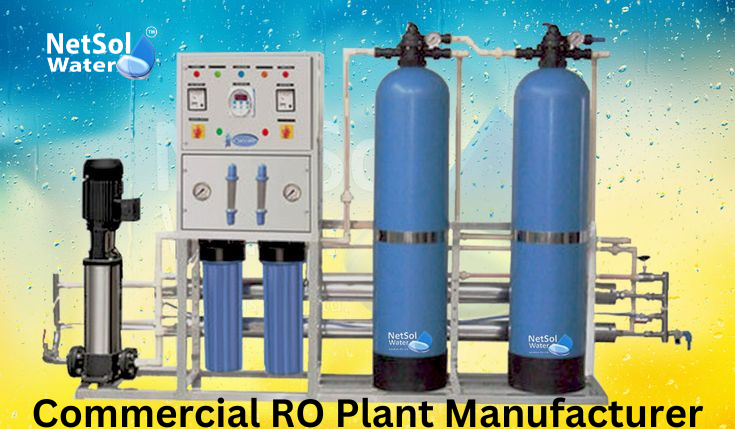
Selecting the right capacity for your commercial RO plant can feel like solving a complex puzzle. Too small and you'll face constant water shortages. Too large and you waste money on unnecessary equipment and higher operating costs. Getting this decision right requires understanding what different capacity options actually deliver. Netsol Water is a leading Commercial RO Plant Manufacturer in Delhi, providing advance solution for waste water management.
Delhi stands as one of India's primary manufacturing centers for water treatment equipment. The capital region hosts numerous Commercial RO Plant Manufacturer offering systems ranging from compact 10 LPH units to massive 10000 LPH industrial installations. This wide range serves diverse applications across different sectors.
This comprehensive guide explains capacity options available from manufacturers in Delhi. We'll explore what each capacity range suits best and how to determine the right size for your specific needs. By understanding these fundamentals, you can make informed decisions that balance performance with cost-effectiveness.
Understanding RO Plant Capacity Measurements
Before diving into specific capacity ranges, let's clarify what LPH actually means. LPH stands for Liters Per Hour and indicates how much purified water the system produces in sixty minutes. This measurement provides the standard metric for comparing different commercial RO systems.
Some manufacturers also express capacity in gallons per day or cubic meters per hour. Converting between these units helps you compare quotes from different suppliers. Remember that one liter per hour equals approximately 24 liters per day under continuous operation.
However, actual production capacity depends on several factors beyond the rated specification. Source water quality, temperature and operating pressure all influence output. Therefore, manufacturers typically rate systems based on standard test conditions that may differ from your actual environment.
Small Capacity Systems: 10 LPH to 100 LPH
Ideal Applications for Compact Systems
Small capacity commercial RO plants serve businesses with modest water requirements. These systems work perfectly for small restaurants, cafes, clinics and offices. They provide purified drinking water for staff and customers without requiring significant space or investment.
A 25 LPH system easily meets the needs of a small office with twenty to thirty employees. It produces enough water for drinking, beverage preparation and basic pantry needs throughout the workday. Similarly, a neighborhood clinic with limited patient volume operates efficiently with systems in this capacity range.
Retail shops and boutique establishments also benefit from these compact units. They ensure clean drinking water for customers and staff while maintaining a small footprint. Installation typically requires minimal space and can fit into small utility areas or under counters.
Technical Characteristics of Small Systems
Manufacturers design small capacity systems with simplicity and reliability in mind. They typically feature single membrane configurations with basic automation. This straightforward design reduces both initial costs and maintenance complexity.
These systems usually include essential pre-treatment components like sediment filters, carbon filters and antiscalant dosing. Some models incorporate storage tanks that buffer production against peak demand periods. This storage ensures water availability even when consumption temporarily exceeds production capacity.
Energy consumption remains modest for small systems. They draw relatively low power and can often operate on standard single-phase electrical connections. This accessibility makes installation straightforward in most commercial locations without requiring electrical upgrades.
Medium Capacity Range: 100 LPH to 500 LPH
Who Needs Medium Capacity Systems?
Medium capacity commercial RO plants suit growing businesses and moderate-sized facilities. Hotels with fifty to hundred rooms typically require systems in this range. They need sufficient capacity for guest consumption, kitchen operations and housekeeping requirements.
Educational institutions like schools and training centers also fall into this category. A school with three hundred students needs reliable water supply for drinking fountains, cafeterias and basic sanitation. Systems around 250 LPH handle these demands comfortably during peak hours.
Medium-sized manufacturing units that use purified water in production processes benefit from this capacity range. Food processing, pharmaceutical formulation and electronics assembly often require treated water. A 500 LPH system supports these applications while remaining economically viable for mid-scale operations.
Design Features of Medium Systems
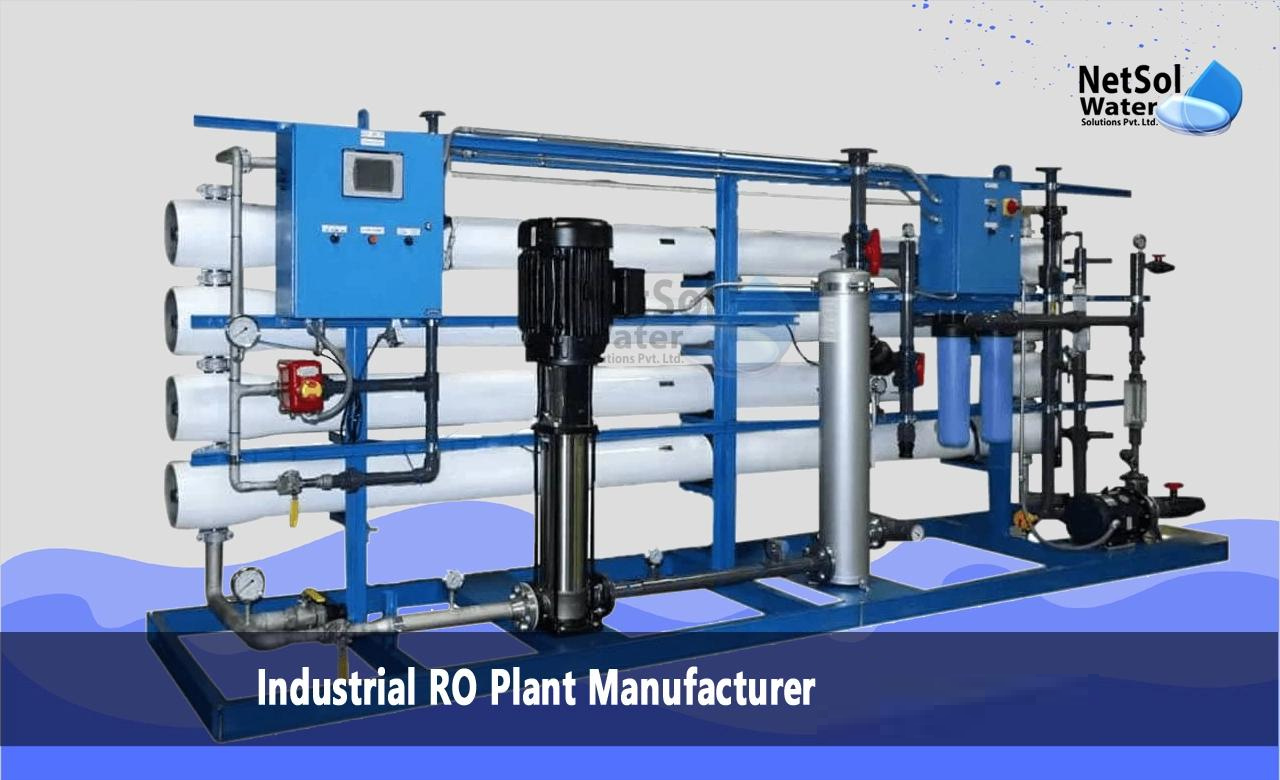
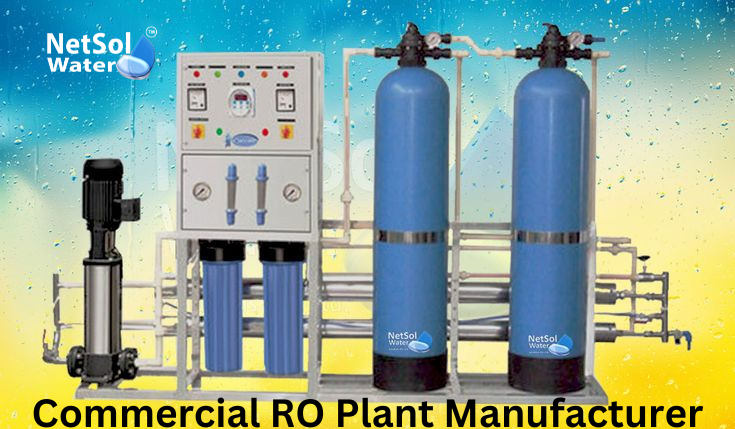
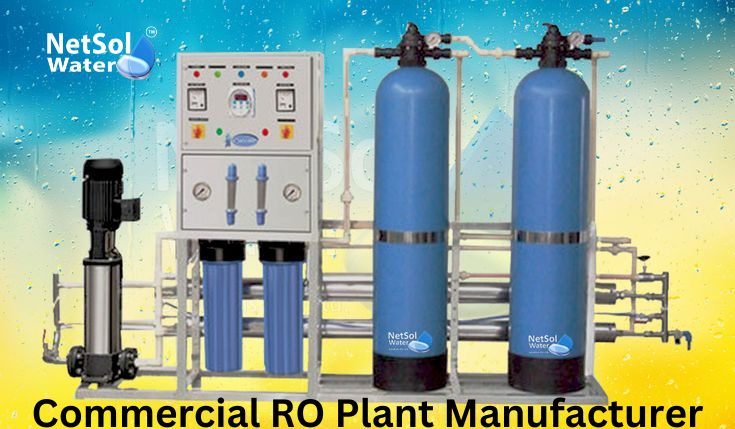
Medium capacity systems incorporate more sophisticated components than their smaller counterparts. They often feature multiple membrane vessels in series or parallel configurations. This arrangement improves efficiency and provides redundancy that enhances reliability.
Advanced automation becomes more common at this capacity level. Programmable logic controllers monitor system performance and adjust operations automatically. These controls optimize production while protecting equipment from damage due to abnormal conditions.
Pre-treatment systems become more comprehensive for medium capacity installations. Multi-stage filtration, water softeners and more precise chemical dosing ensure consistent feed water quality. This investment in pre-treatment protects expensive RO membranes and extends their operational life.
Large Capacity Systems: 500 LPH to 2000 LPH
Applications Requiring Substantial Water Production
Large capacity commercial RO plants serve major hospitality properties, hospitals and significant manufacturing operations. A large hotel with two hundred plus rooms needs systems producing 1000 LPH or more. They must supply guest rooms, restaurants, laundry facilities and recreational areas simultaneously.
Hospitals represent particularly demanding applications. A medium-sized hospital requires purified water for patient consumption, dialysis, laboratory work and sterilization processes. Systems around 1500 LPH ensure adequate supply across all departments while maintaining strict quality standards.
Corporate office complexes and commercial buildings with multiple tenants also require this capacity range. A building housing five hundred employees across various companies needs substantial water production. The system must maintain consistent supply throughout business hours despite varying demand patterns.
Engineering Complexity of Large Systems
Large capacity systems represent significant engineering projects rather than simple product installations. Manufacturers work closely with clients to design customized solutions addressing specific requirements. This collaboration ensures the system integrates properly with existing infrastructure.
These installations typically include sophisticated control rooms housing automation equipment. Operators monitor multiple parameters including pressure, flow, conductivity and pH. Real-time data logging enables performance tracking and preventive maintenance planning.
Redundancy becomes critical at this scale. Many large systems incorporate duplicate components or parallel treatment trains. This design ensures continued operation even if individual components require maintenance or repair. For hospitals and critical applications, uninterrupted water supply proves essential.
Very Large Industrial Systems: 2000 LPH to 10000 LPH
Industries Demanding Maximum Capacity
Very large commercial and industrial RO plants serve major manufacturing facilities, power plants and municipal applications. Pharmaceutical manufacturing units producing sterile products need enormous quantities of ultra-pure water. A 5000 LPH system might support injection manufacturing or large-scale formulation operations.
Beverage bottling plants represent another major application for high-capacity systems. A bottling facility producing thousands of bottles hourly requires proportional water treatment capacity. Systems approaching 10000 LPH ensure consistent product quality while supporting high-volume production schedules.
Large hotels and resorts in tourist destinations also require very high capacity systems. A resort with five hundred rooms plus extensive dining, spa and recreational facilities consumes water at industrial rates. Systems producing 3000 to 5000 LPH maintain adequate supply during peak occupancy periods.
Specialized Engineering for Maximum Output
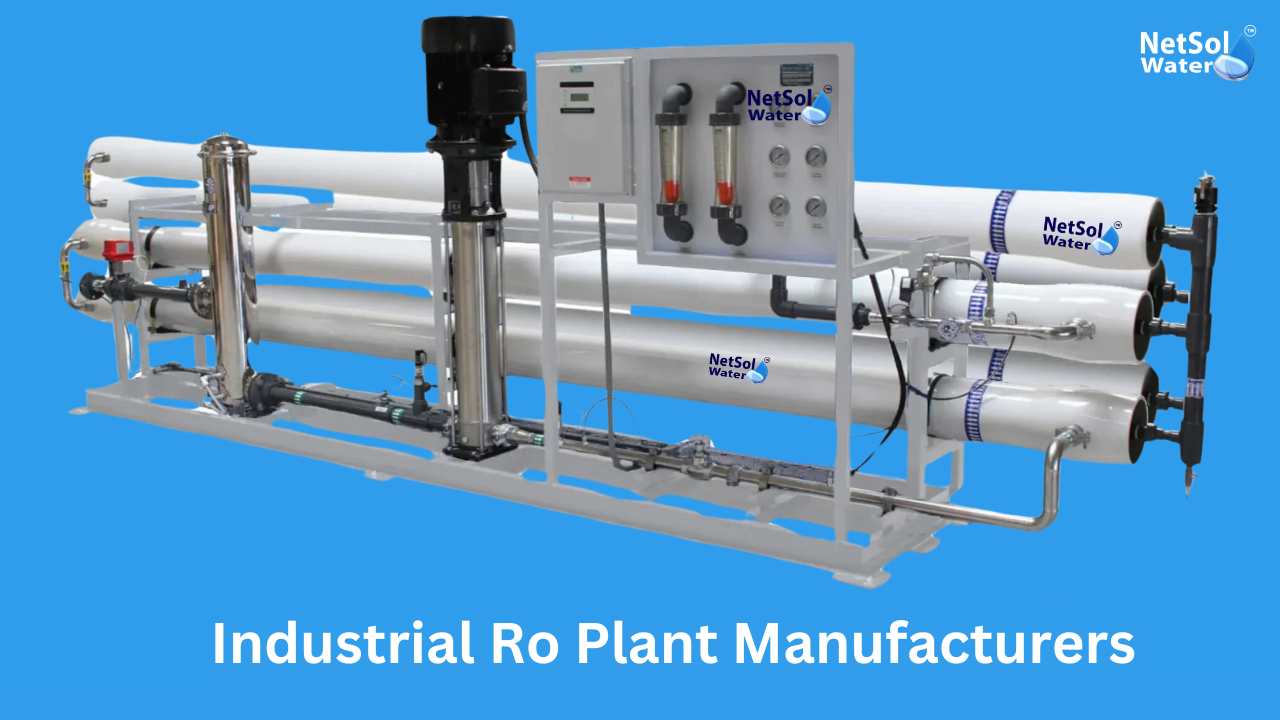
Very large RO systems incorporate industrial-grade components designed for continuous heavy-duty operation. Multiple large-diameter membranes arranged in complex arrays maximize production efficiency. High-pressure pumps with energy recovery devices minimize operating costs despite substantial output.
These systems often include dedicated pre-treatment plants that themselves represent significant installations. Clarification, filtration and softening equipment conditions thousands of liters hourly before water reaches RO membranes. This extensive pre-treatment proves essential for protecting expensive membrane assets.
Manufacturers typically provide comprehensive automation packages with SCADA systems for very large installations. Remote monitoring capabilities allow experts to oversee operation from central locations. Predictive maintenance algorithms identify potential issues before they cause failures.
Determining Your Required Capacity
Calculating Your Water Consumption Needs
Start by analyzing your current and projected water consumption patterns. Track usage over several weeks to identify average daily consumption and peak demand periods. This baseline data provides the foundation for capacity calculations.
Consider growth projections when sizing your system. A restaurant planning expansion should specify capacity exceeding current needs. Installing adequate capacity initially proves more economical than upgrading systems shortly after installation.
Factor in recovery rates when calculating required capacity. RO systems typically achieve 40% to 75% recovery depending on source water quality. A facility needing 1000 liters of purified water daily requires a system rated higher than 1000 LPH to account for reject water.
Consulting with Manufacturers for Accurate Sizing
Professional Commercial RO Plant Manufacturers in Delhi offer consultation services that help determine appropriate capacity. They analyze your water quality reports, consumption patterns and application requirements. This expert assessment ensures you specify neither inadequate nor excessive capacity.
Request manufacturers to provide capacity calculations in writing with supporting assumptions. Understanding their sizing methodology helps you evaluate different proposals fairly. It also reveals whether vendors truly understand your application or simply offer standard products.
Cost Considerations Across Capacity Ranges
Equipment costs naturally increase with capacity but not always proportionally. A 100 LPH system doesn't cost exactly ten times more than a 10 LPH unit. Economies of scale mean larger systems often deliver better value per liter of production capacity.
Operating costs including electricity and consumables also scale with capacity. However, larger systems typically achieve better efficiency due to more sophisticated component selection. Energy recovery devices on large systems significantly reduce power consumption per liter produced.
Maintenance costs vary considerably across capacity ranges. Small systems often require simple periodic servicing that facility staff can handle. Large installations need professional maintenance contracts with specialized technicians. Budget accordingly when evaluating total cost of ownership.
Working with Delhi-Based Manufacturers
Delhi's strategic location provides advantages for buyers across North India. Local manufacturing reduces logistics costs and simplifies coordination during installation. Proximity also facilitates better after-sales support since service teams can respond quickly when needed.
The concentration of water treatment expertise in Delhi's industrial areas fosters competition that benefits buyers. Multiple manufacturers vie for projects, which typically results in competitive pricing. However, focus on value rather than simply lowest price when making selection decisions.
Many Delhi manufacturers maintain relationships with international component suppliers while offering competitive local pricing. This combination delivers quality systems using proven components at costs lower than imported complete systems. You benefit from global technology with local support infrastructure.
Future-Proofing Your Capacity Investment
Technology continues advancing in water treatment. When selecting capacity, consider whether the manufacturer designs systems for future upgrades. Modular architectures allow capacity expansion by adding membrane vessels rather than replacing entire systems.
Ask manufacturers about their product roadmap and commitment to supporting existing installations. Companies investing in research and development typically offer better long-term value. They continue improving products and can retrofit enhancements to existing systems.
Conclusion
Commercial RO plant capacity selection requires balancing current needs against future growth while maintaining cost-effectiveness. Delhi manufacturers offer comprehensive options spanning 10 LPH compact units to 10000 LPH industrial installations. This range ensures solutions exist for virtually any application.
Understanding what different capacity ranges deliver helps you specify appropriate systems. Small businesses thrive with compact units while large facilities require industrial-scale installations. The key lies in accurate assessment of your actual requirements rather than guessing or over-specifying.
Working with experienced Delhi-based manufacturers provides access to quality systems with strong local support. Take time to evaluate your needs carefully and consult multiple vendors. The right capacity decision delivers reliable water treatment that supports your operations efficiently for years to come.


Write a comment ...