
Noida is no longer just an emerging city. It is now one of India’s most organized urban centers, known for modern infrastructure, IT parks, residential townships, and industrial corridors. As the city continues to evolve under smart city initiatives, one thing has become very clear—water management is at the heart of sustainable growth.
Clean and reliable water is essential for homes, offices, hospitals, and industries. However, with increasing demand and declining groundwater quality, traditional water sources are no longer enough. This is where a trusted commercial RO plant manufacturer in Noida plays a key role by offering advanced solutions tailored for smart city developments.
We will explore how commercial RO plants support smart infrastructure, how energy-efficient systems work, and why they are essential for Noida’s future.
Understanding Commercial RO Plants
Let’s start with a simple explanation.
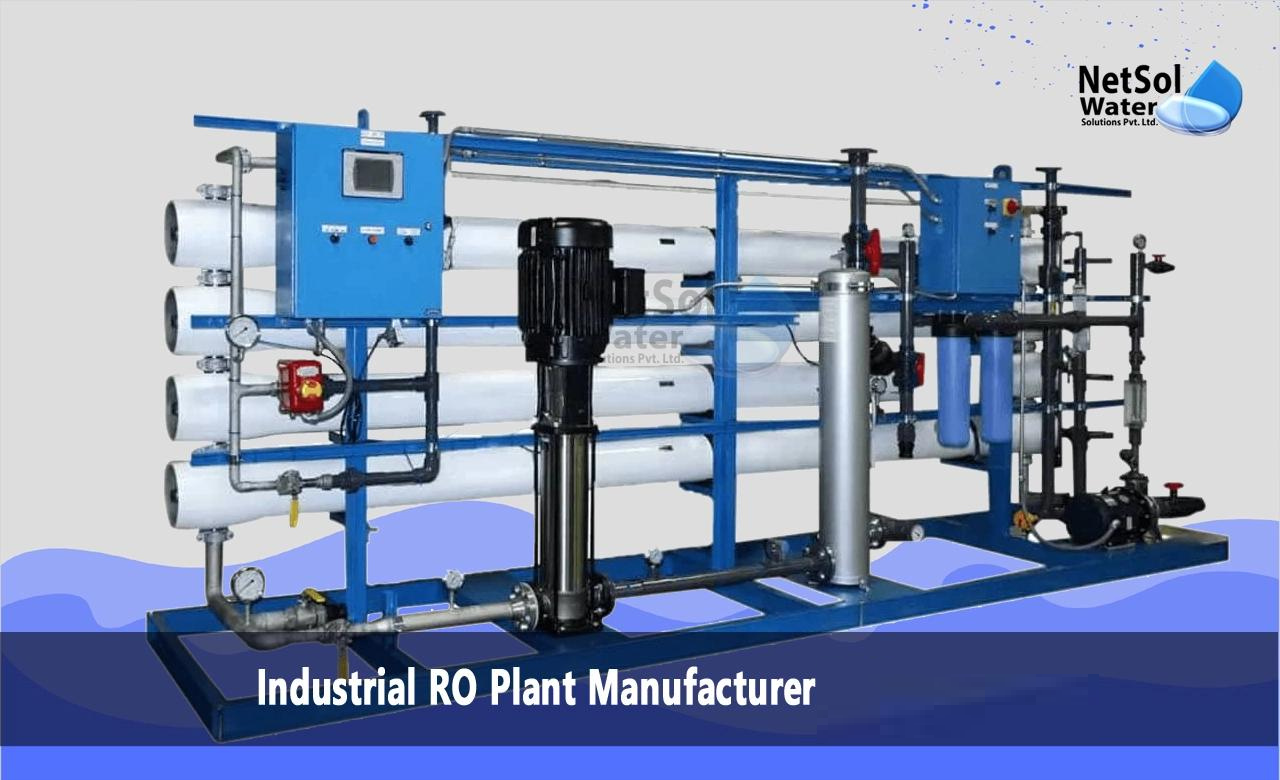
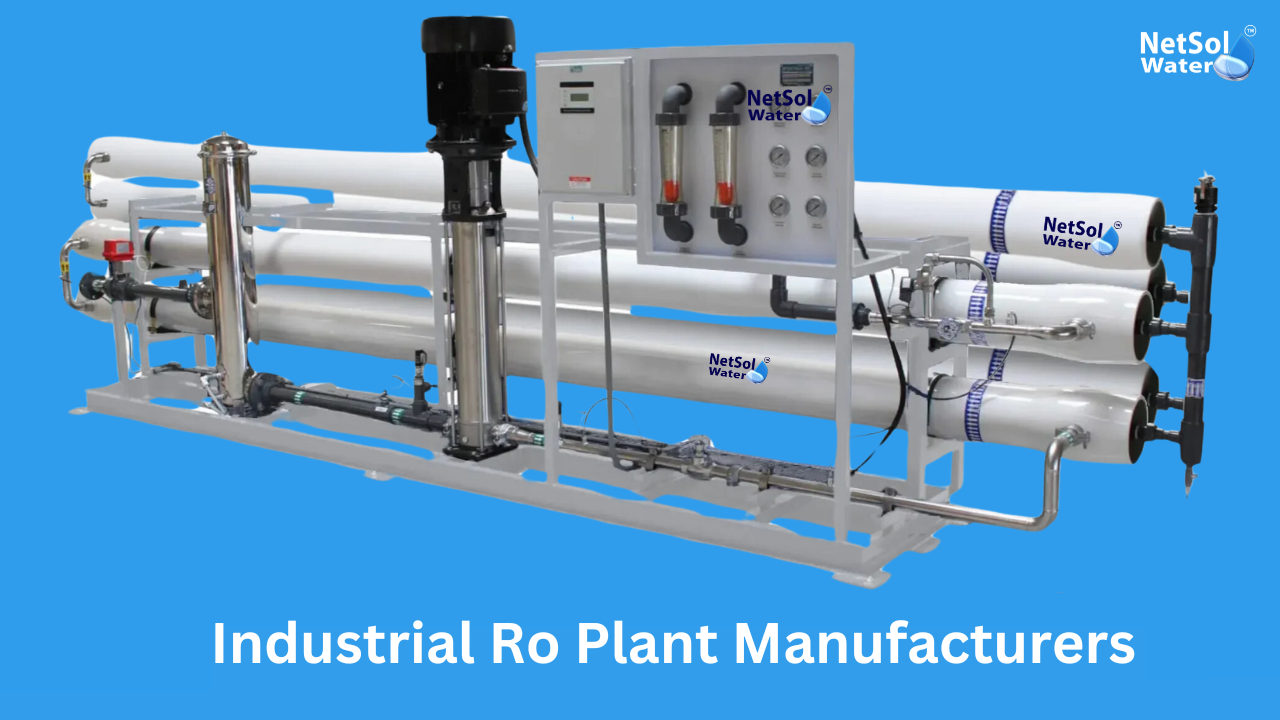
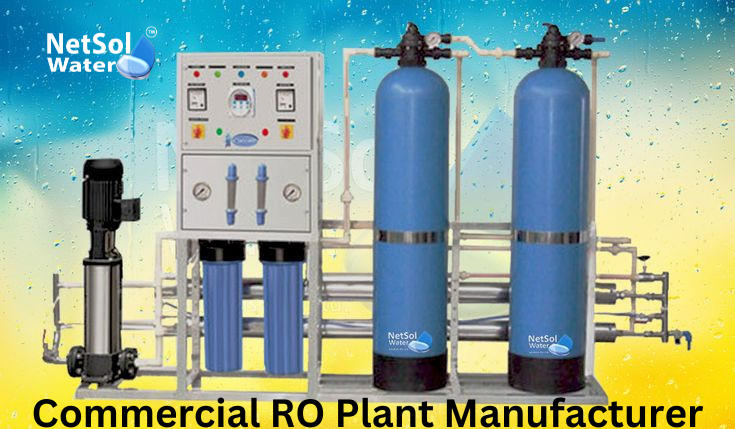
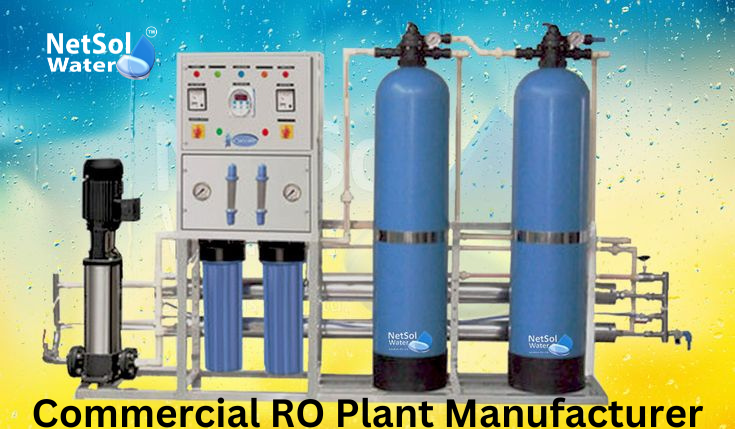
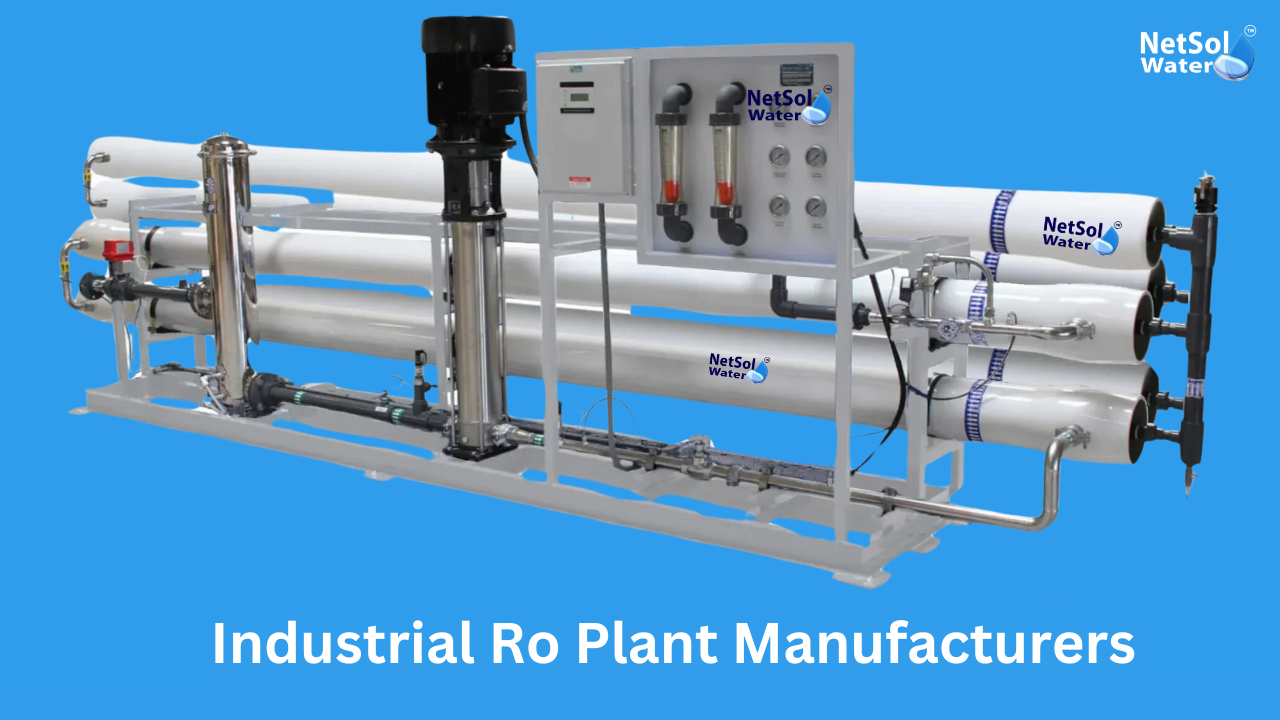
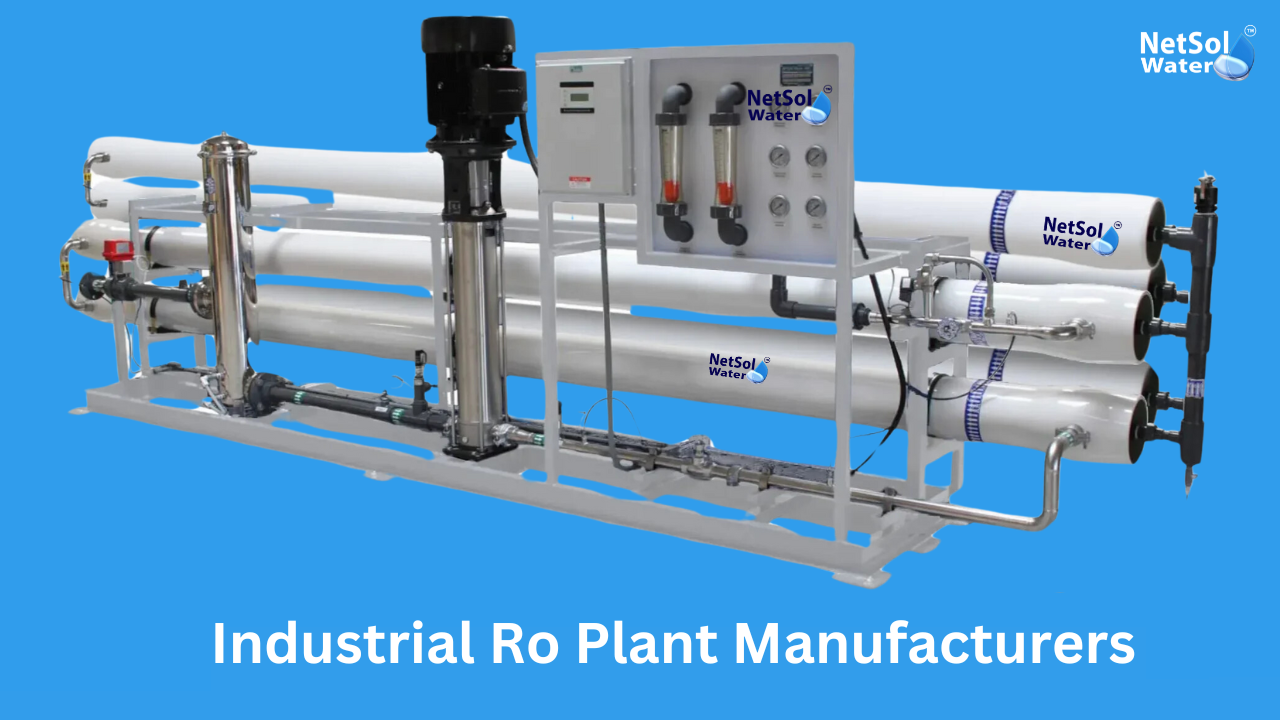
A commercial RO (reverse osmosis) plant is a water purification system that removes dissolved salts, impurities, and contaminants using a semi-permeable membrane. It is widely used in commercial and institutional settings where consistent water quality is required.
These systems can remove up to 99% of dissolved solids, bacteria, and harmful substances, making them highly effective for safe water supply.
Where Commercial RO Plants Are Used
Hotels and restaurants
Hospitals and healthcare facilities
Educational institutions
Commercial complexes
Corporate offices
These plants ensure safe and reliable water for daily operations.
Why Smart Cities Need Commercial RO Plants
Smart cities focus on efficiency, sustainability, and resource optimization. Water management is a major part of this vision.
Noida’s rapid development has increased pressure on water resources. Groundwater depletion and contamination have made it necessary to adopt advanced purification systems.
Commercial RO plants help smart cities by:
Ensuring clean and safe water supply
Reducing dependency on external water sources
Supporting water reuse and recycling
Improving operational efficiency
Without proper water treatment systems, urban growth can lead to serious environmental and health issues.
Importance of Energy-Efficient RO Systems
Energy efficiency is a key factor in modern infrastructure.
RO plants use high-pressure pumps to push water through membranes. These pumps consume a significant amount of electricity, which can increase operational costs.
In fact, energy consumption in RO systems can account for a large portion of total operating expenses.
That is why modern manufacturers focus on energy-efficient designs.
Benefits of Energy Efficiency
Lower electricity bills
Reduced operating costs
Longer system lifespan
Lower carbon footprint
Improved performance
Energy-efficient systems not only save money but also support sustainability goals.
How Energy-Efficient RO Plants Work
Modern commercial RO plants are designed with advanced technology to reduce energy consumption.
1. High-Efficiency Pump Systems
Pumps are the core of any RO plant.
Manufacturers use:
Energy-efficient motors
Properly sized pumps
Variable Frequency Drives (VFDs)
VFDs adjust pump speed based on demand, which reduces unnecessary energy use and improves efficiency.
2. Advanced Membrane Technology
Membranes play a critical role in purification.
Modern systems use:
Low-pressure membranes
High-flux membranes
Long-lasting materials
These membranes require less pressure to operate, which directly reduces energy consumption.
3. Energy Recovery Devices (ERDs)
Energy recovery is one of the most effective ways to save power.
ERDs:
Capture pressure from reject water
Reuse it within the system
Reduce pump load
These devices can reduce energy consumption by up to 20–60%, depending on system design.
4. Smart Automation Systems
Automation improves system efficiency.
Modern RO plants include:
Real-time monitoring systems
Automated control panels
Sensors for flow and pressure
Automation ensures that the system operates only when needed, reducing energy waste.
5. Optimized System Design
A well-designed system minimizes energy loss.
Manufacturers focus on:
Efficient piping layout
Reduced pressure drop
Balanced flow distribution
Even small improvements in design can lead to significant energy savings.
Features of Commercial RO Plants for Smart Cities
Modern RO plants are built to match the needs of smart infrastructure.
1. Compact Design
Ideal for urban spaces with limited area.
2. Modular Construction
Allows easy expansion as demand grows.
3. Low Energy Consumption
Reduces operational costs.
4. High Water Recovery
Maximizes usable water and reduces waste.
5. Easy Operation
Automation simplifies management.
These features make commercial RO plants suitable for smart city applications.
Role of Commercial RO Plant Manufacturers in Noida
A reliable commercial RO plant manufacturer in Noida offers more than just equipment. They provide complete solutions tailored to each project.
Step-by-Step Approach
1. Water Analysis
They test water quality and identify contaminants.
2. Requirement Assessment
They understand daily water demand.
3. System Design
They design an energy-efficient RO plant.
4. Equipment Selection
They choose high-quality components.
5. Installation and Commissioning
They ensure smooth setup and operation.
6. Maintenance Support
They provide ongoing service and training.
This approach ensures long-term performance and reliability.
Applications in Smart City Projects
Commercial RO plants are used across various smart city developments.
1. Residential Complexes
Provide safe drinking water for residents.
2. Corporate Offices
Ensure clean water for employees.
3. Hospitals
Maintain high hygiene standards.
4. Hotels and Hospitality
Deliver safe water for guests.
5. Educational Institutions
Support daily water needs efficiently.
These applications highlight the importance of RO systems in modern urban planning.
Cost Savings and Long-Term Benefits
Although commercial RO plants require initial investment, they offer significant long-term savings.
Where You Save
Reduced water purchase costs
Lower electricity bills
Minimal maintenance expenses
Longer equipment lifespan
RO systems are considered cost-effective because they reduce reliance on expensive external water sources and chemical treatments.
Environmental Benefits
Commercial RO plants also support environmental sustainability.
Key Benefits
Reduced water wastage
Lower chemical usage
Decreased carbon emissions
Improved water conservation
RO technology is considered eco-friendly because it relies on physical separation rather than chemical processes.
Future Trends in Commercial RO Technology
The water treatment industry is evolving rapidly.
Emerging Trends
IoT-based monitoring systems
AI-driven performance optimization
Solar-powered RO plants
Zero Liquid Discharge (ZLD) systems
These innovations are making RO plants smarter and more efficient.
Final Thoughts
Noida’s transformation into a smart city depends on strong and sustainable infrastructure. Water management is a crucial part of that vision.
A trusted commercial RO plant manufacturer in Noida helps businesses and developers adopt modern systems that are efficient, reliable, and future-ready. These plants not only provide clean water but also reduce costs and support environmental goals.
As urban development continues, investing in energy-efficient commercial RO plants will ensure better water management, improved sustainability, and a healthier future for the city.
Write a comment ...