
Faridabad is one of the most active industrial cities in North India. From manufacturing units to residential townships, the city continues to expand every year. With this growth comes a serious responsibility—managing wastewater efficiently.
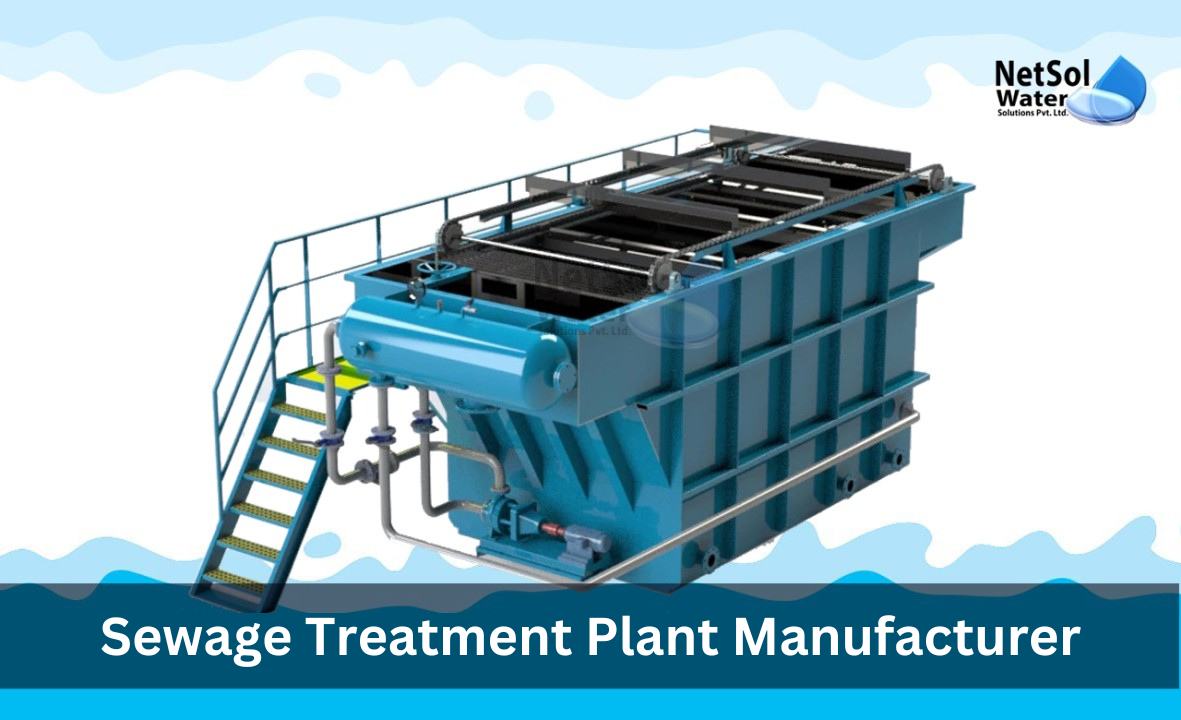
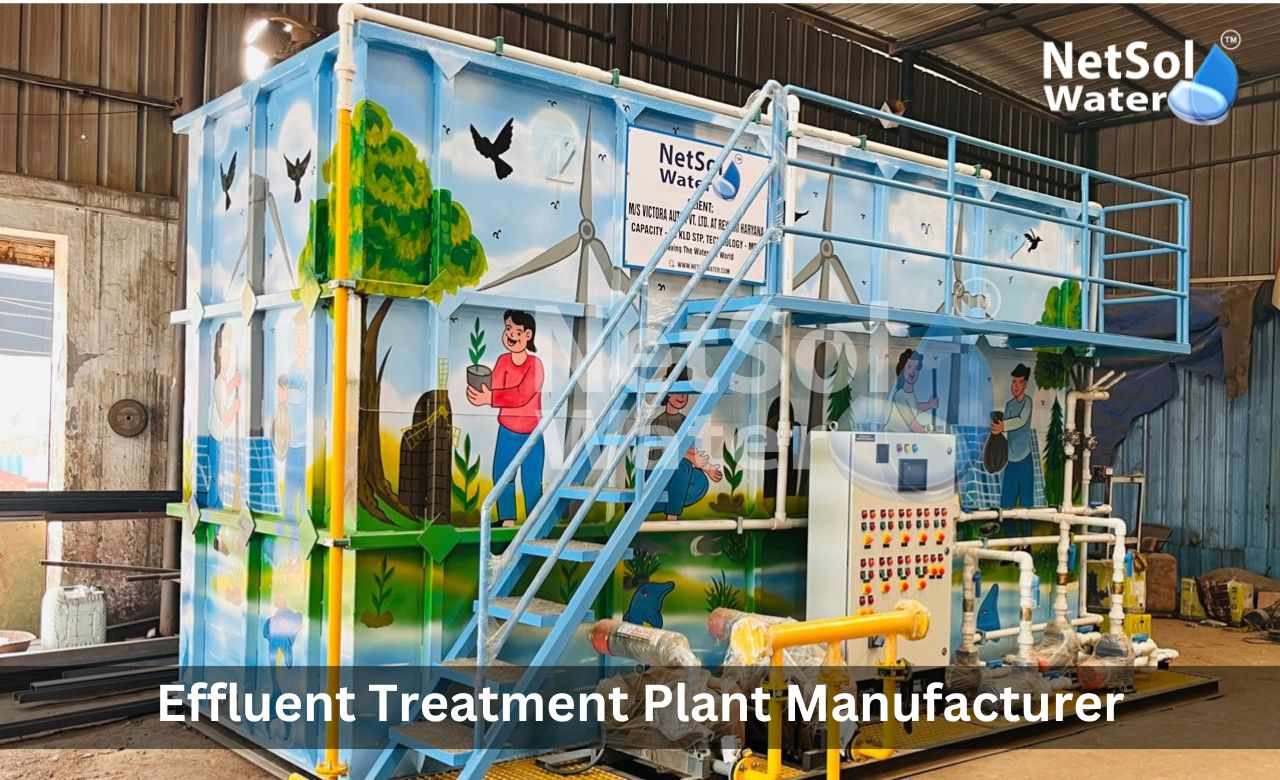
Every industry, housing society, and commercial space generates sewage daily. If it is not treated properly, it can damage the environment and create health risks. That is why businesses now rely on a trusted sewage treatment plant manufacturer in Faridabad to design efficient systems based on their exact needs.
One of the most important aspects of installing a sewage treatment plant is capacity planning. Whether it is measured in LPH or KLPH, choosing the right size determines how well the system performs.
We will explain how STPs work, why capacity planning matters, and how manufacturers help you choose the right system for both small and large-scale projects.
Understanding Sewage Treatment Plants
Let’s begin with a simple idea.
A Sewage Treatment Plant (STP) treats wastewater from toilets, kitchens, and industrial processes. The goal is to remove harmful pollutants and make water safe for reuse or discharge.
The process involves physical, biological, and chemical steps that clean the water step by step.
Basic Treatment Stages
1. Primary Treatment
This stage removes large solids through screening and settling.
2. Secondary Treatment
Microorganisms break down organic matter using biological processes.
3. Tertiary Treatment
Advanced filtration and disinfection improve water quality further.
After treatment, the water can be reused for gardening, flushing, and industrial use.
What Does LPH and KLPH Mean in STP?
Capacity planning often uses different units, which can confuse many project owners.
1. LPH (Litres Per Hour)
LPH indicates how many litres of water are treated every hour.
For example, a 5000 LPH system treats 5000 litres per hour.
2. KLPH (Kilolitres Per Hour)
KLPH is used for larger plants.
1 KLPH = 1000 litres per hour
So, a 2 KLPH plant treats 2000 litres every hour.
In sewage treatment, capacity is also measured in KLD (kilolitres per day). For example, a 100 KLD plant treats 100,000 litres daily.
Why Capacity Planning is Important
Capacity planning is the backbone of any sewage treatment system.
If you choose the wrong size, problems will follow.
A small plant may overflow during peak usage
A large plant may increase costs and waste energy
Therefore, proper planning ensures:
Smooth operation
Efficient treatment
Lower maintenance cost
Longer system life
A professional sewage treatment plant manufacturer in Faridabad always starts with detailed analysis before recommending a system.
Capacity Range: From Small LPH to Large KLPH Systems
STPs are available in a wide range of capacities to meet different needs.
1. Small Capacity Systems (5–50 KLD / Low LPH Range)
These systems are ideal for:
Small residential buildings
Guest houses
Small offices
For example, a 50 KLD plant is suitable for small communities and housing units.
These systems are compact and easy to install.
2. Medium Capacity Systems (50–300 KLD)
These are commonly used in:
Hotels
Hospitals
Mid-size industries
A 100 KLD or 200 KLD plant can handle steady wastewater flow efficiently.
These systems balance performance and cost.
3. Large Capacity Systems (300 KLD to 2000+ KLD)
Large-scale projects require high-capacity plants.
These include:
Industrial complexes
Large residential townships
Commercial hubs
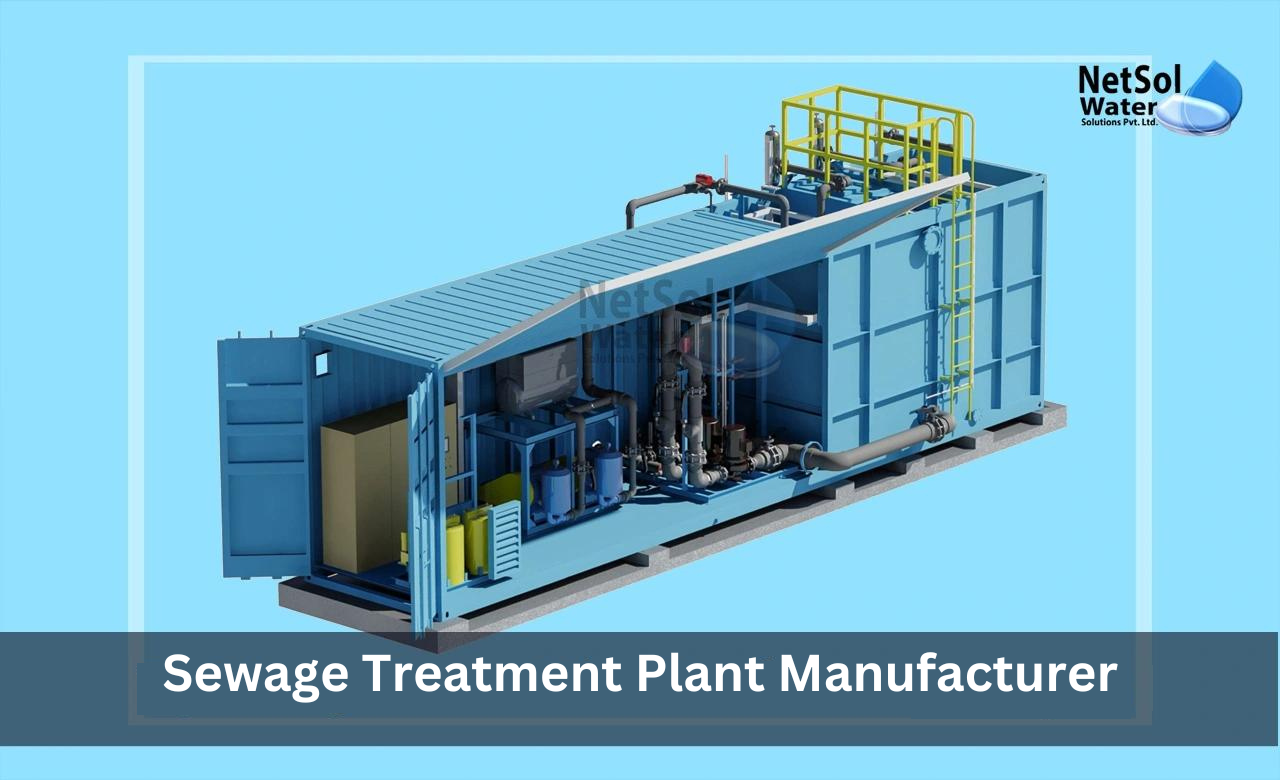
Modern STPs can handle capacities from 5 KLD to over 2000 KLD depending on requirements.
Such systems are designed for continuous operation and heavy loads.
How Manufacturers Help in Capacity Planning
A professional manufacturer does more than supply equipment. They act as a solution provider.
Step 1: Wastewater Analysis
They study the volume and type of sewage generated.
Step 2: Load Calculation
They calculate daily and peak load.
Step 3: Technology Selection
They choose the right process like MBBR, SBR, or MBR.
Step 4: System Design
They design a plant with the right capacity and layout.
Step 5: Future Planning
They ensure the system can handle future expansion.
This approach ensures efficiency and long-term reliability.
Factors That Affect Capacity Selection
Several factors influence the choice of STP capacity.
1. Daily Sewage Generation
The total wastewater produced each day is the key factor.
2. Peak Load Variation
Sudden increases in usage must be considered.
3. Type of Wastewater
Industrial wastewater may require advanced treatment.
4. Space Availability
Large plants need more installation area.
5. Budget
Capacity must align with financial planning.
A reliable sewage treatment plant manufacturer in Faridabad considers all these factors before finalizing the design.
Technologies Used in Modern STPs
Modern STPs use advanced technologies for better efficiency.
1. MBBR (Moving Bed Biofilm Reactor)
Provides efficient biological treatment.
2. SBR (Sequential Batch Reactor)
Ideal for variable loads.
3. MBR (Membrane Bioreactor)
Delivers high-quality treated water.
4. ASP (Activated Sludge Process)
A widely used traditional method.
These technologies improve treatment quality and reduce operational costs.
Why Choose a Sewage Treatment Plant Manufacturer in Faridabad?
Working with a local sewage treatment plant manufacturer offers several advantages.
1. Local Expertise
They understand Faridabad’s industrial and residential needs.
2. Faster Installation
Projects are completed quickly.
3. Cost Efficiency
Lower transportation costs reduce expenses.
4. Quick Service Support
Maintenance teams are easily available.
Many manufacturers also offer turnkey solutions that include design, installation, and maintenance.
Quick Installation and Modular Solutions
Time is critical in any project. Delays in installation can affect operations.
1. Benefits of Quick Installation
Faster project completion
Immediate compliance with regulations
Reduced downtime
Early water reuse
2. Modular Design Advantage
Modern STPs are modular. This means:
Easy installation
Flexible expansion
Lower construction time
This makes them ideal for both small and large projects.
Applications of Sewage Treatment Plants
STPs are widely used across different sectors in Faridabad.
1. Residential Projects
Housing societies use STPs to manage daily sewage.
2. Industrial Units
Factories treat wastewater before discharge.
3. Commercial Buildings
Offices and malls use STPs for water reuse.
4. Public Infrastructure
Municipal systems rely on large STPs.
These systems play a key role in sustainable development.
Step-by-Step Installation Process
Here’s how a typical STP is installed:
1. Site Inspection
Experts evaluate location and requirements.
2. Wastewater Testing
Sewage quality is analyzed.
3. System Design
Engineers design the plant.
4. Manufacturing
Components are fabricated.
5. Installation
The plant is installed on-site.
6. Testing and Training
The system is tested and staff is trained.
With experienced manufacturers, the process is smooth and efficient.
Benefits of Choosing the Right Capacity
Selecting the correct capacity offers many advantages.
1. Efficient Performance
The plant runs smoothly without overload.
2. Cost Savings
Avoids unnecessary expenses.
3. Long-Term Reliability
Extends system life.
4. Better Compliance
Meets environmental standards.
5. Future Expansion
Supports business growth.
Future Trends in Sewage Treatment
The future of wastewater treatment is moving towards smarter and greener solutions.
Emerging Trends
IoT-based monitoring
Energy-efficient systems
Zero Liquid Discharge (ZLD)
Compact modular plants
These innovations are making STPs more efficient and sustainable.
Final Thoughts
Managing wastewater is no longer optional. It is a necessity for sustainable growth in a city like Faridabad.
A trusted sewage treatment plant manufacturer in Faridabad helps businesses and residential projects choose the right capacity—from LPH to KLPH—based on their exact needs. With proper planning, advanced technology, and scalable solutions, these systems ensure efficient performance and long-term benefits.
If you want reliable wastewater management and future-ready infrastructure, investing in the right STP capacity is a smart and responsible decision.

Write a comment ...