
Water is one of the most valuable resources for industrial growth. As cities expand and manufacturing activities increase, the demand for water rises sharply. At the same time, industries produce large amounts of wastewater during production processes. If this wastewater is released without proper treatment it can cause serious environmental damage.
Faridabad is one of the major industrial cities in North India. The city hosts industries such as textiles, pharmaceuticals, engineering units, chemicals, food processing, and automobile manufacturing. These industries generate wastewater that contains chemicals, oils, heavy metals, and other pollutants. Therefore proper treatment of industrial wastewater has become a necessity rather than a choice.
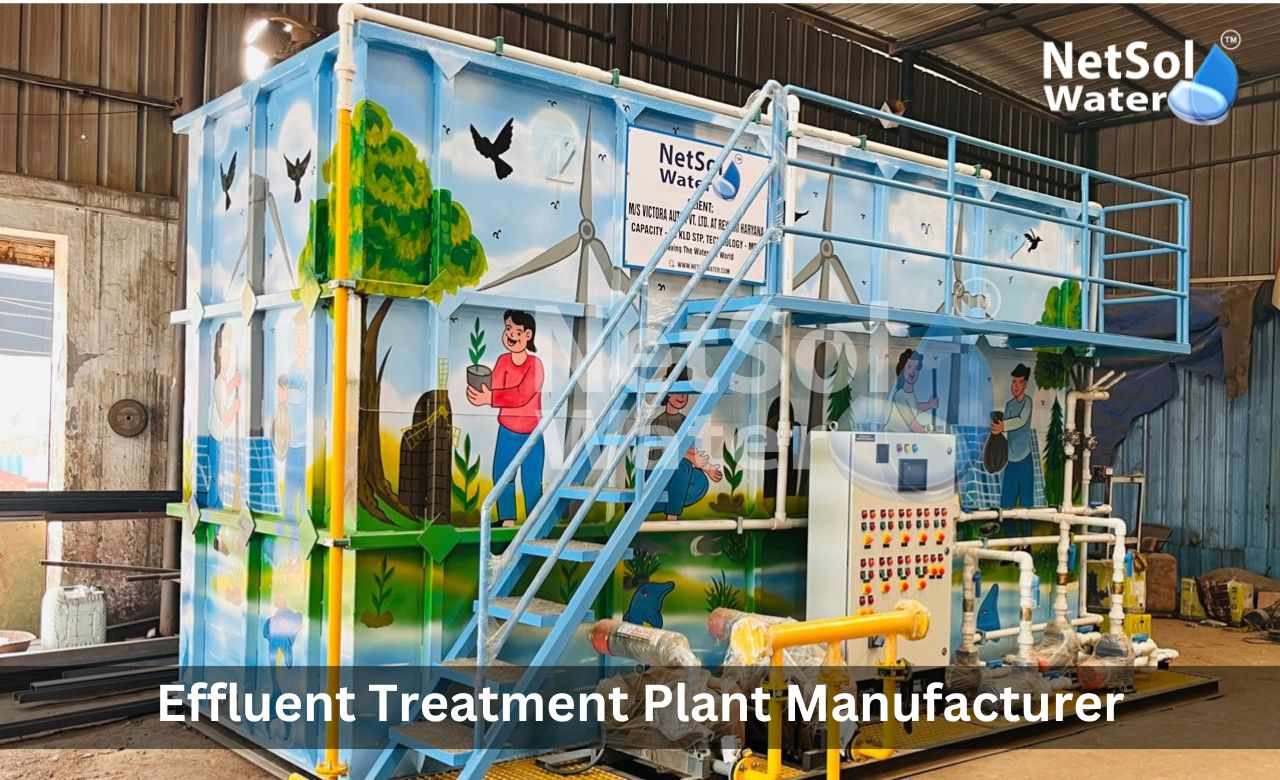
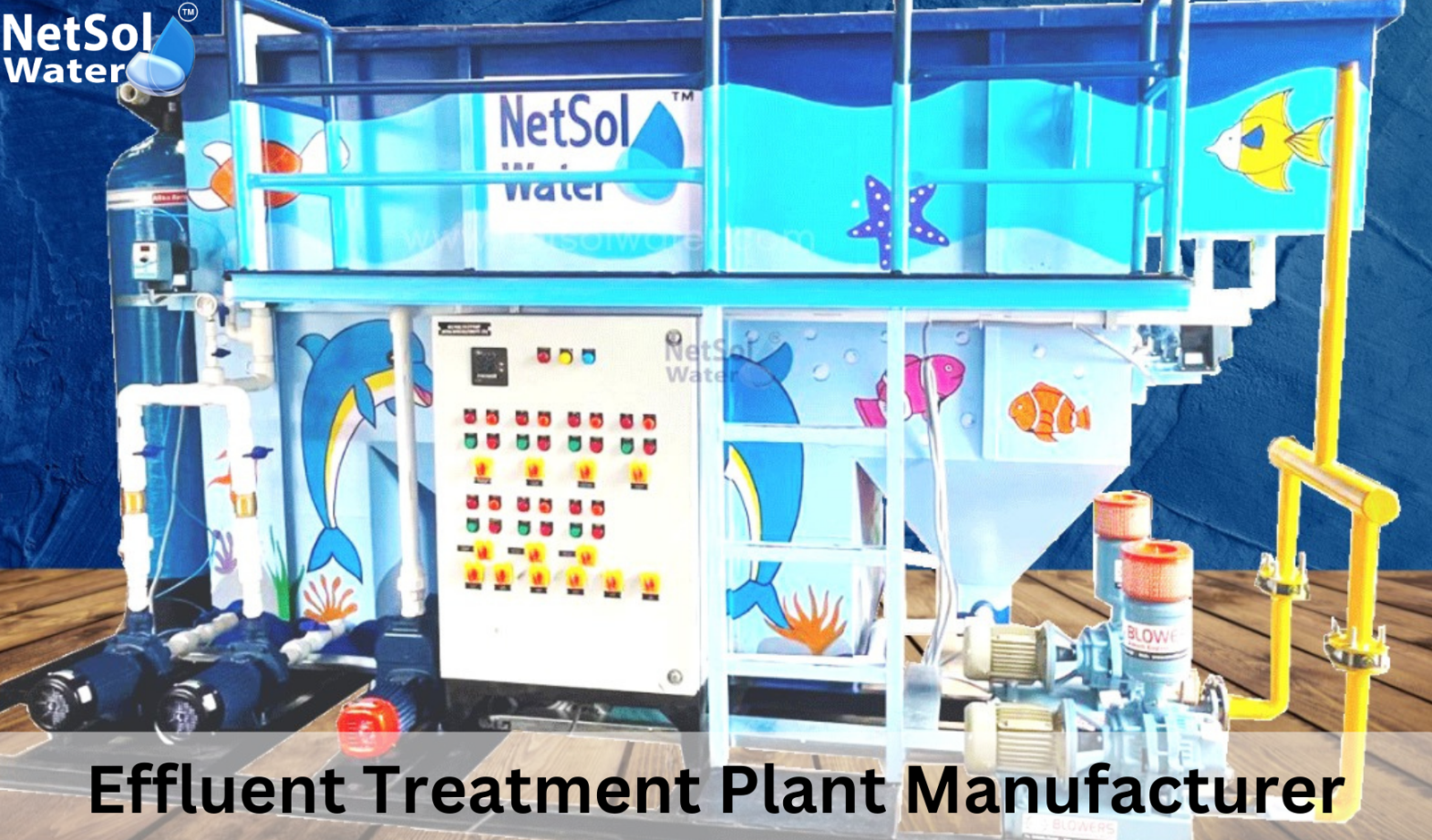
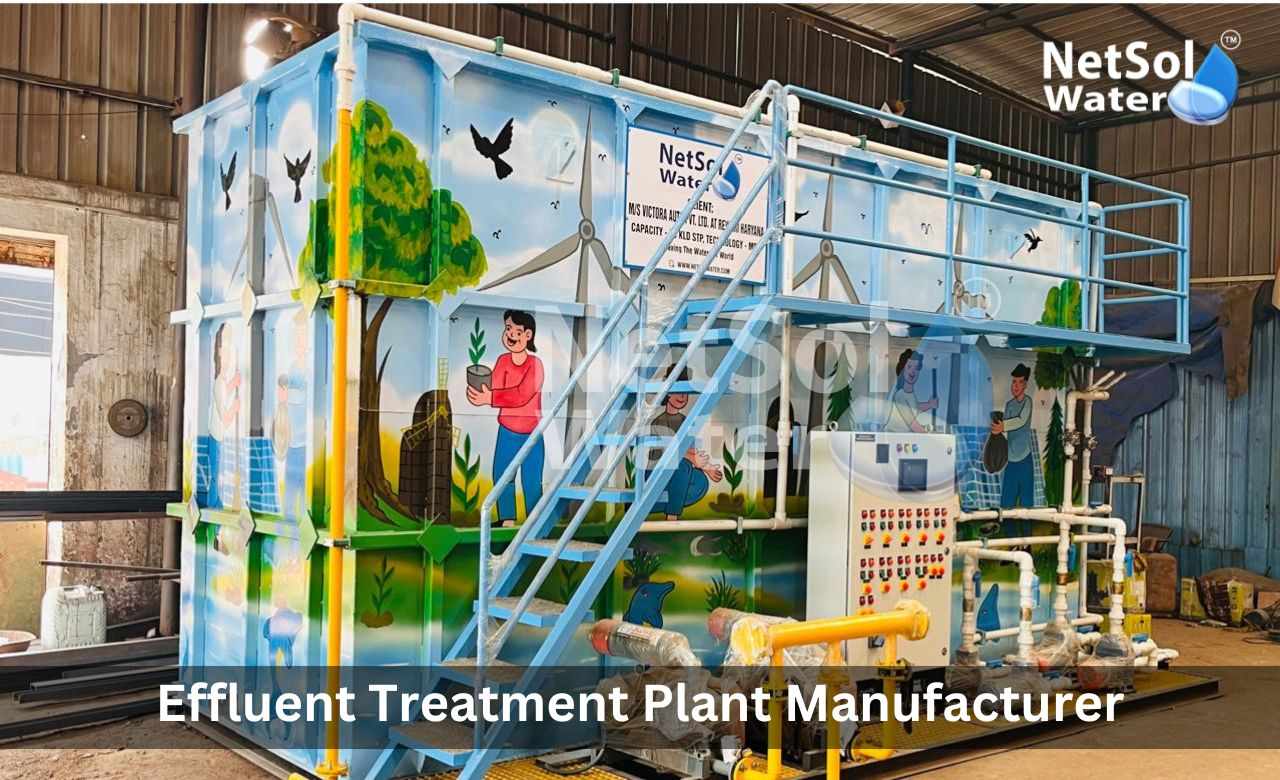
An Effluent Treatment Plant (ETP) plays a crucial role in managing industrial wastewater. A reliable Effluent Treatment Plant manufacturer in Faridabad helps industries treat wastewater effectively and reuse water wherever possible. In this way industries can support sustainable water use and protect natural resources.
This article explains the importance of ETP systems, their working process, benefits, and why industries should partner with a trusted ETP manufacturer.
Industrial Growth and Water Challenges in Faridabad
Faridabad is a key industrial hub in Haryana. Thousands of manufacturing units operate in industrial areas such as Ballabgarh, Sector 24, and IMT Faridabad. These industries contribute significantly to economic development and employment.
However rapid industrial growth also increases wastewater generation. Industrial effluents often contain pollutants such as heavy metals, organic chemicals, oil, grease, and suspended solids. If untreated wastewater enters rivers or groundwater it can harm ecosystems and public health.
Reports also highlight the growing concern of untreated industrial waste reaching water bodies in the region. Some unregulated units discharge effluents into drains which eventually reach rivers. This pollution threatens both environmental safety and community well-being.
Because of these challenges environmental regulations require industries to treat wastewater before discharge. Effluent Treatment Plants provide an effective solution for meeting these standards while promoting water reuse.
What Is an Effluent Treatment Plant?
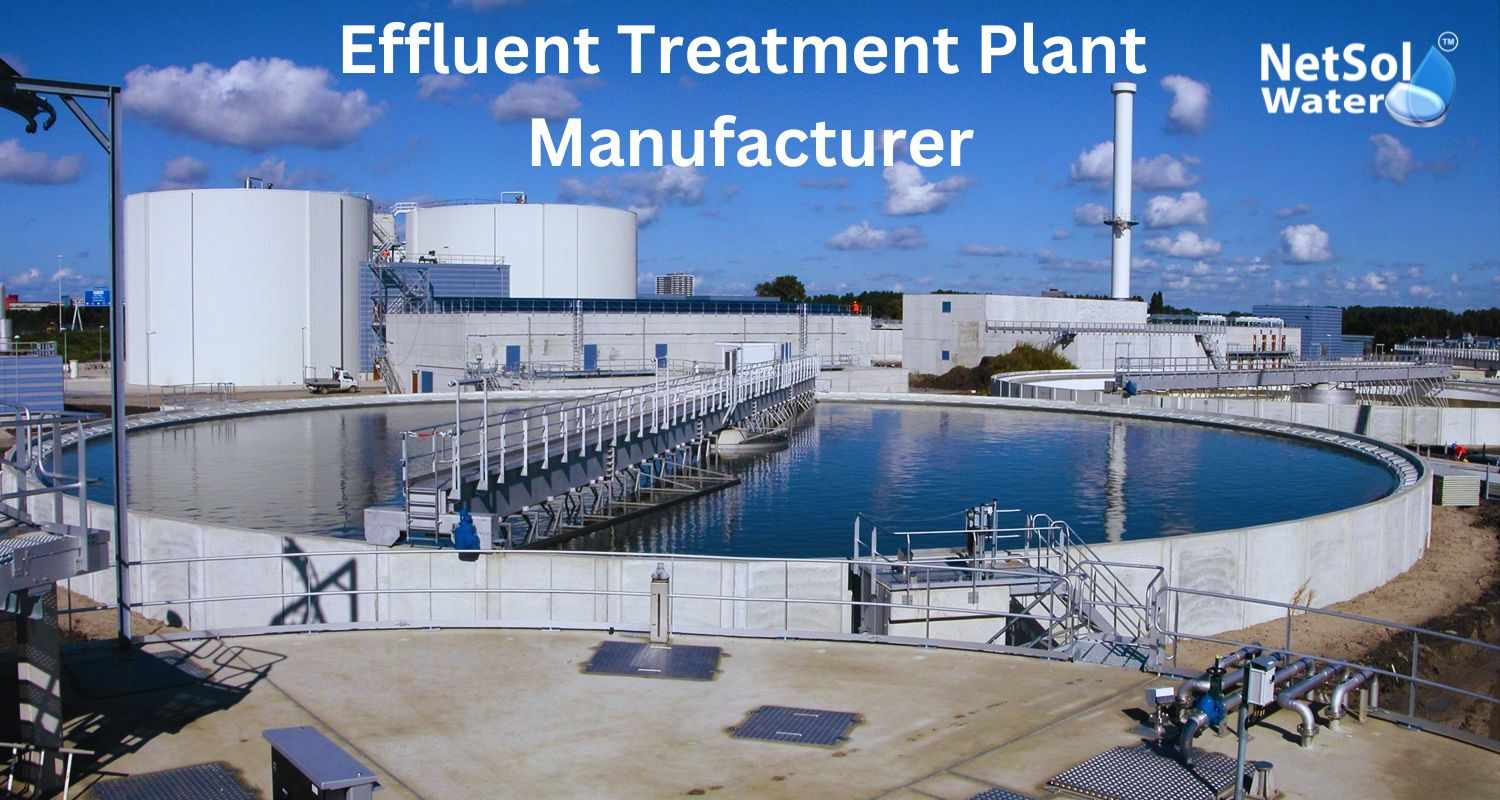
An Effluent Treatment Plant (ETP) is a system designed to treat wastewater generated from industrial processes. The main goal of an ETP is to remove harmful contaminants and make the water safe for discharge or reuse.
Industrial wastewater often contains pollutants such as oils, chemicals, heavy metals, and organic matter. An ETP uses physical, chemical, and biological processes to remove these pollutants and improve water quality.
After treatment the water can either be reused in industrial processes or discharged safely into the environment according to regulatory standards.
Effluent treatment plants are commonly used in industries such as:
Textile and dyeing units
Pharmaceutical industries
Chemical manufacturing plants
Food processing industries
Automobile manufacturing units
Paper and pulp industries
These industries depend on ETP systems to maintain compliance with environmental regulations and reduce water pollution.
Importance of Effluent Treatment Plants for Sustainable Water Use
Sustainability has become a priority for industries around the world. Water conservation and pollution control are essential parts of responsible industrial practices. Effluent treatment plants contribute to sustainable water management in several ways.
1. Protection of Natural Water Sources
Industrial effluents contain toxic substances that can contaminate rivers and groundwater. ETP systems remove these pollutants and prevent environmental damage.
2. Water Recycling and Reuse
Treated wastewater can be reused for cooling towers, cleaning processes, or irrigation. This reduces the demand for freshwater resources.
3. Compliance with Environmental Regulations
Government authorities require industries to treat wastewater before discharge. ETP systems help industries meet these legal standards and avoid penalties.
4. Support for Corporate Sustainability Goals
Companies that invest in water treatment technology demonstrate their commitment to environmental responsibility and sustainable development.
How an Effluent Treatment Plant Works
An effluent treatment plant operates through several stages of treatment. Each stage removes different types of pollutants from the wastewater.
1. Preliminary Treatment
The first stage removes large particles and debris from wastewater. Screening and grit removal systems help prevent damage to equipment in later stages.
2. Primary Treatment
In this stage suspended solids and oil are removed using physical and chemical processes such as sedimentation, coagulation, and flocculation.
3. Secondary Treatment
Secondary treatment uses biological processes to break down organic pollutants. Microorganisms consume organic matter and convert it into harmless substances.
4. Tertiary Treatment
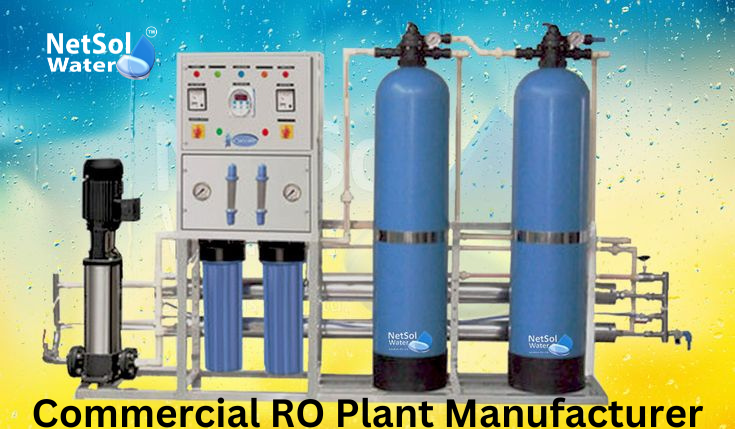
Advanced filtration and disinfection processes are used in this stage to further purify the water. Techniques such as sand filtration, activated carbon filtration, reverse osmosis, and UV treatment may be used.
5. Sludge Treatment
During wastewater treatment solid waste called sludge is produced. This sludge is treated and disposed of safely or reused in some industrial applications.
After completing these stages the treated water becomes safe for discharge or reuse.
Key Components of an Effluent Treatment Plant
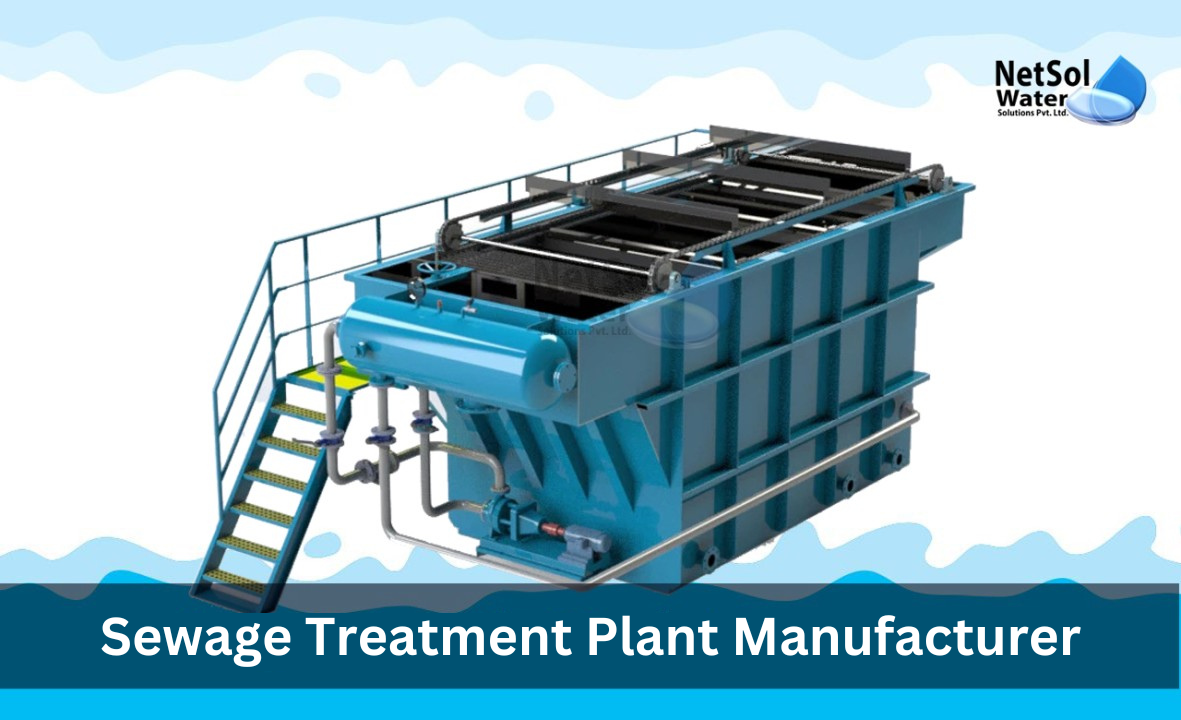
A well-designed ETP system includes several components that work together to treat wastewater effectively.
Important components include:
Screening units
Equalization tanks
Chemical dosing systems
Clarifiers
Aeration tanks
Biological reactors
Filtration units
Sludge drying beds
Control panels and monitoring systems
Each component plays an important role in ensuring consistent treatment performance.
Benefits of Installing an Effluent Treatment Plant
Installing an ETP offers several advantages for industries in Faridabad.
1. Environmental Protection
ETP systems remove harmful pollutants from wastewater and prevent contamination of natural water bodies.
2. Water Conservation
Treated wastewater can be reused in many industrial processes. This helps reduce dependence on freshwater sources.
3. Cost Savings
Although installing an ETP requires initial investment, it helps industries reduce long-term water procurement costs.
4. Improved Corporate Reputation
Companies that invest in environmental protection build a positive brand image and gain trust from customers and stakeholders.
5. Regulatory Compliance
ETP systems ensure that wastewater discharge meets environmental standards and regulations.
Industries That Require Effluent Treatment Plants
Many industries generate wastewater that requires proper treatment. Some of the major sectors include:
1. Textile and Dyeing Industry
Textile manufacturing produces wastewater containing dyes, chemicals, and salts. ETP systems remove these pollutants before discharge.
2. Pharmaceutical Industry
Pharmaceutical production generates wastewater containing active chemical compounds that must be treated carefully.
3. Food and Beverage Industry
Food processing plants produce wastewater with organic matter and grease which requires biological treatment.
4. Chemical Manufacturing
Chemical industries produce complex effluents that require advanced treatment technologies.
5. Automobile and Engineering Units
Metal finishing and coating processes generate wastewater containing heavy metals and oils.
Choosing the Right Effluent Treatment Plant Manufacturer in Faridabad
Selecting the right effluent treatment plant manufacturer is essential for successful wastewater treatment. Industries should consider several factors before choosing a supplier.
1. Customized Plant Design
Each industry produces different types of wastewater. A reliable manufacturer designs the ETP based on wastewater characteristics and treatment requirements.
2. Advanced Treatment Technologies
Modern ETP systems include technologies such as MBBR, SBR, membrane filtration, and zero liquid discharge systems for improved efficiency.
3. Energy Efficient Operation
Efficient equipment reduces operational costs and improves plant performance.
4. Maintenance and Technical Support
Regular maintenance ensures that the plant operates smoothly and meets regulatory standards.
5. Compliance with Environmental Norms
A trusted manufacturer ensures that treated water meets pollution control board standards.
Future of Sustainable Industrial Water Management
Industrial wastewater treatment is evolving rapidly. New technologies are improving efficiency and sustainability in water treatment systems.
Future developments may include:
Smart monitoring systems using IoT technology
Automation and real-time water quality monitoring
Advanced membrane filtration technologies
Integration with zero liquid discharge systems
Energy-efficient wastewater treatment processes
These innovations will help industries achieve better water reuse and reduce environmental impact.
Conclusion
Industrial growth is essential for economic development, but it must be balanced with environmental protection. Wastewater generated by industries contains pollutants that can harm ecosystems and communities if not treated properly.
A reliable Effluent Treatment Plant manufacturer in Faridabad plays an important role in helping industries manage wastewater responsibly. By installing modern ETP systems industries can treat effluents efficiently, reuse water, and meet environmental regulations.
In the long run effluent treatment plants support sustainable water use and contribute to a cleaner and healthier environment. As industries continue to expand in Faridabad, investing in advanced wastewater treatment solutions will remain a key step toward sustainable development.
Write a comment ...