
Delhi is a city that never stops growing. With expanding residential areas, rising industries, and increasing commercial activity, the demand for water is constantly rising. However, along with this growth comes a major challenge—managing wastewater efficiently.
Every day, Delhi generates a massive amount of sewage. In fact, the city produces thousands of millions of liters of wastewater daily, which needs proper treatment before it can be reused or safely discharged.
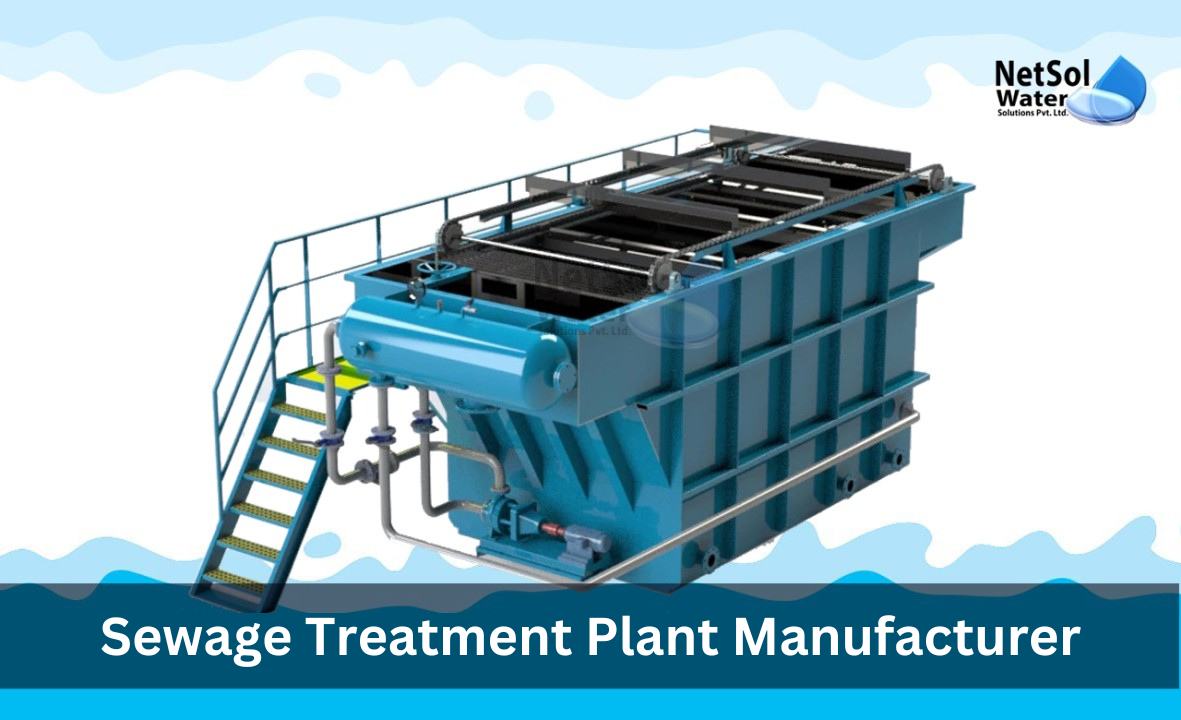
This is where a reliable sewage treatment plant manufacturer in Delhi becomes essential. These manufacturers help industries, commercial spaces, and residential projects manage wastewater in a safe and sustainable way.
We will explore how sewage treatment plants work, why they are important for both small and large-scale industries, and how the right manufacturer can support long-term sustainability.
Understanding Sewage Treatment Plants
Let’s begin with a simple understanding.
A sewage treatment plant (STP) is designed to treat wastewater generated from domestic and industrial sources. This water contains organic waste, harmful bacteria, and suspended particles. Without treatment, it can pollute water bodies and harm public health.
The treatment process usually includes three main stages:
1. Primary Treatment
This stage removes large solids and floating materials from wastewater.
2. Secondary Treatment
Biological processes break down organic matter using bacteria.
3. Tertiary Treatment
Advanced filtration and disinfection improve water quality for reuse or safe discharge.
Modern STPs use technologies like MBBR, SBR, and MBR to improve efficiency and ensure better output quality.
As a result, treated water can be reused for gardening, flushing, cooling, and other non-drinking purposes.
Why Delhi Needs Efficient STP Solutions
Delhi faces serious water management challenges due to rapid urbanization and industrial growth.
1. High Sewage Generation
The city generates a huge volume of wastewater daily, which requires proper treatment infrastructure.
2. Pollution of Water Bodies
Untreated sewage often enters rivers like the Yamuna, causing environmental damage.
3. Water Scarcity
Despite generating large amounts of wastewater, Delhi faces water shortages. Recycling treated water can help bridge this gap.
4. Strict Regulations
Authorities like DPCC require proper sewage treatment before discharge. Non-compliance can result in heavy penalties.
Because of these issues, industries and residential projects must invest in reliable STP systems.
Role of STP Manufacturers for Small & Large-Scale Industries
A professional sewage treatment plant manufacturer in Delhi provides solutions for both small and large-scale operations.
1. Solutions for Small-Scale Industries
Small industries and residential societies often deal with limited space and budget. Therefore, they need compact and affordable solutions.
Manufacturers offer:
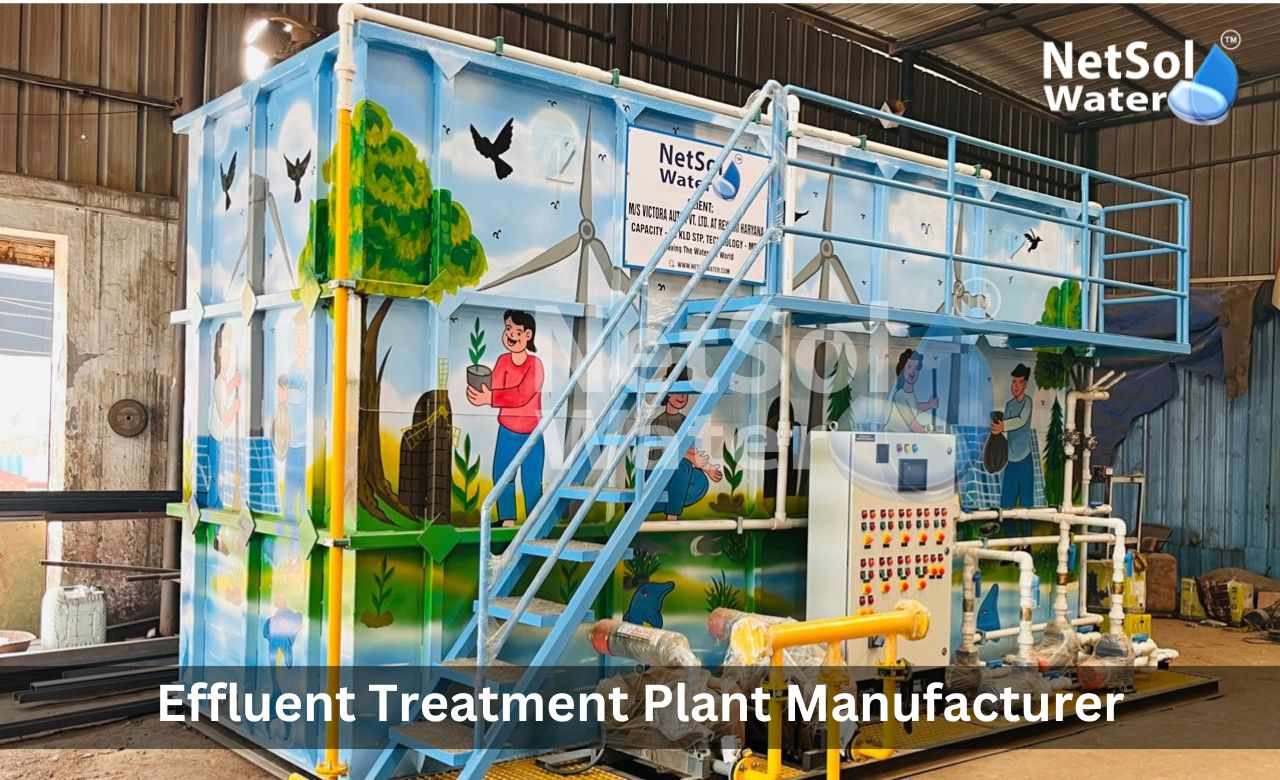
Compact and modular STP units
Easy installation and operation
Low energy consumption
Minimal maintenance
These systems help small businesses meet environmental norms without heavy investment.
2. Solutions for Large-Scale Industries
Large industries generate high volumes of wastewater and require robust systems.
Manufacturers design:
High-capacity STP plants
Multi-stage treatment processes
Automated systems with advanced controls
High water recovery systems
These plants ensure consistent performance even under heavy load conditions.
3. Customized Solutions for Different Sectors
Different industries produce different types of wastewater. For example:
Food industries generate organic waste
Chemical industries produce toxic effluents
Commercial complexes generate mixed sewage
Manufacturers analyze wastewater characteristics and design customized solutions accordingly.
Key Technologies Used in Modern STPs
Modern sewage treatment plants use advanced technologies to improve efficiency and sustainability.
1. Biological Treatment Systems
Processes like MBBR and MBR break down organic pollutants effectively.
2. Chemical Treatment
Used to remove harmful substances and improve water quality.
3. Filtration Systems
Sand filters and carbon filters enhance clarity and remove impurities.
4. Membrane Technologies
Advanced filtration methods produce high-quality treated water.
5. Sludge Management
Efficient sludge handling reduces waste and improves plant performance.
These technologies ensure that treated water meets environmental standards and can be reused effectively.
Why Choose a Sewage Treatment Plant Manufacturer in Delhi?
Choosing a local sewage treatment plant manufacturer offers several advantages.
1. Local Expertise
Manufacturers understand Delhi’s water conditions and regulatory requirements.
2. Faster Installation
Local teams can complete installation quickly and efficiently.
3. Cost Savings
Reduced transportation costs make the project more affordable.
4. Quick Maintenance Support
After installation, local service teams provide timely assistance.
Many sewage treatment plant manufacturers in Delhi offer complete solutions, including design, installation, and maintenance services.
Quick Installation Solutions: A Major Advantage
Time is an important factor for industries and commercial projects. Delays in installing an STP can cause compliance issues and operational challenges.
1. Benefits of Quick Installation
Faster project completion
Immediate compliance with regulations
Reduced downtime
Early start of water reuse
2. How Manufacturers Ensure Speed
Prefabricated and modular systems
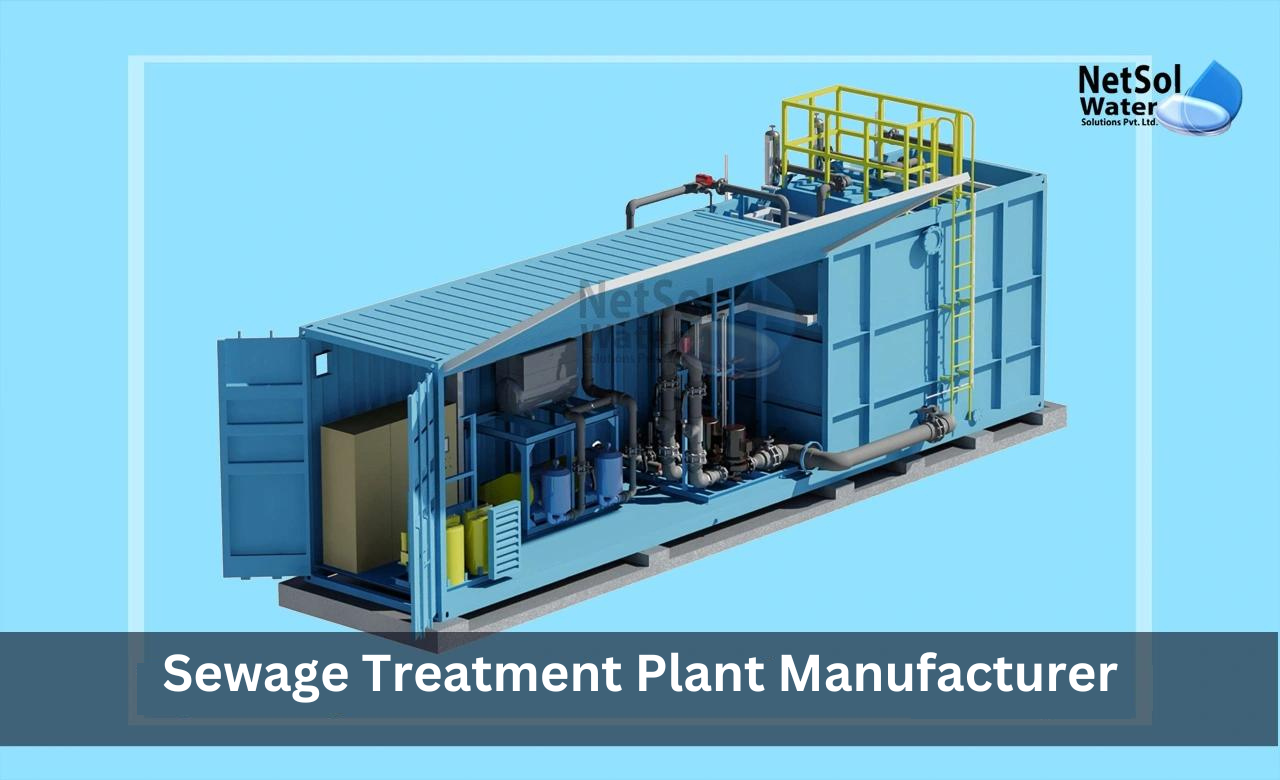
Skid-mounted units
Turnkey project execution
Pre-tested components
These strategies ensure smooth and timely installation.
Industries That Benefit from STP Systems
Sewage treatment plants are widely used across different sectors in Delhi.
1. Residential Societies
Treat domestic wastewater and reuse it for daily needs.
2. Commercial Buildings
Offices, malls, and hotels rely on STPs for water management.
3. Industrial Units
Industries treat wastewater for reuse in processes.
4. Healthcare Institutions
Hospitals use STPs to maintain hygiene and compliance.
5. Public Infrastructure
Airports, railway stations, and municipal projects use STPs for large-scale wastewater treatment.
These sectors depend on efficient STP systems to maintain sustainability and operational efficiency.
Step-by-Step Process of STP Installation
Understanding the installation process helps in better planning.
1. Wastewater Analysis
Experts study the quantity and quality of sewage.
2. System Design
Engineers design a customized treatment solution.
3. Manufacturing
Components are fabricated using advanced technology.
4. Installation
The plant is installed at the site.
5. Testing and Commissioning
The system is tested for performance and compliance.
6. Training and Handover
Operators are trained for smooth operation.
With experienced manufacturers, this process is completed efficiently.
Benefits of Investing in a Sewage Treatment Plant
Installing an STP offers several long-term benefits.
1. Environmental Protection
Reduces pollution and protects natural resources.
2. Water Conservation
Promotes reuse and reduces freshwater demand.
3. Cost Savings
Lowers water procurement and disposal costs.
4. Regulatory Compliance
Helps avoid penalties and legal issues.
5. Sustainable Growth
Supports eco-friendly practices and long-term success.
Future of Sewage Treatment in Delhi
The future of wastewater management in Delhi is focused on sustainability and innovation.
The government is investing heavily in sewage treatment infrastructure and expanding plant capacities to meet rising demand.
Emerging Trends
IoT-based monitoring systems
Energy-efficient STPs
Zero Liquid Discharge (ZLD) systems
Compact and modular designs
These advancements will make sewage treatment more efficient and accessible for industries of all sizes.
Final Thoughts
Water management is one of the biggest challenges in a growing city like Delhi. With increasing wastewater generation and limited freshwater resources, efficient sewage treatment has become essential.
A trusted sewage treatment plant manufacturer in Delhi helps both small and large-scale industries treat wastewater effectively and reuse it wherever possible. With advanced technology, customized solutions, and quick installation, these manufacturers are playing a key role in building a sustainable future.
If your business or project aims to reduce costs, meet regulations, and contribute to environmental protection, investing in a high-quality sewage treatment plant is a smart and responsible decision.

Write a comment ...