
Water is the backbone of industrial growth. Every manufacturing unit depends on a steady supply of clean water for production, cooling, cleaning, and processing. However, in a densely populated region like Delhi, industries face serious challenges related to water availability and quality.
Groundwater is often contaminated, and surface water sources are under stress. As a result, industries can no longer rely on untreated water. They need advanced purification systems that are efficient, reliable, and sustainable. This is where industrial RO plants come into the picture.
Even more importantly, modern industries are now adopting high-recovery RO systems. These systems reduce water wastage and improve operational efficiency. Leading solution providers such as Netsol Water and Sewage Treatment Plants are offering these advanced technologies to help industries manage water better.
We will explore how an industrial RO plant manufacturer in Delhi is using high-recovery systems to support efficient and sustainable operations.
Growing Need for Industrial Water Treatment in Delhi
Delhi has a diverse industrial base that includes pharmaceuticals, textiles, chemicals, food processing, and automotive manufacturing. Each of these industries requires high-quality water for different processes.
However, industries often face several challenges:
High TDS levels in raw water
Chemical contamination
Inconsistent water supply
Strict environmental regulations
Because of these issues, untreated water cannot be used directly in industrial processes. It can damage equipment and affect product quality.
Industrial RO plants offer a reliable solution by removing impurities and ensuring consistent water quality. However, traditional RO systems waste a significant amount of water. This is why industries are shifting toward high-recovery RO systems.
What is an Industrial RO Plant?
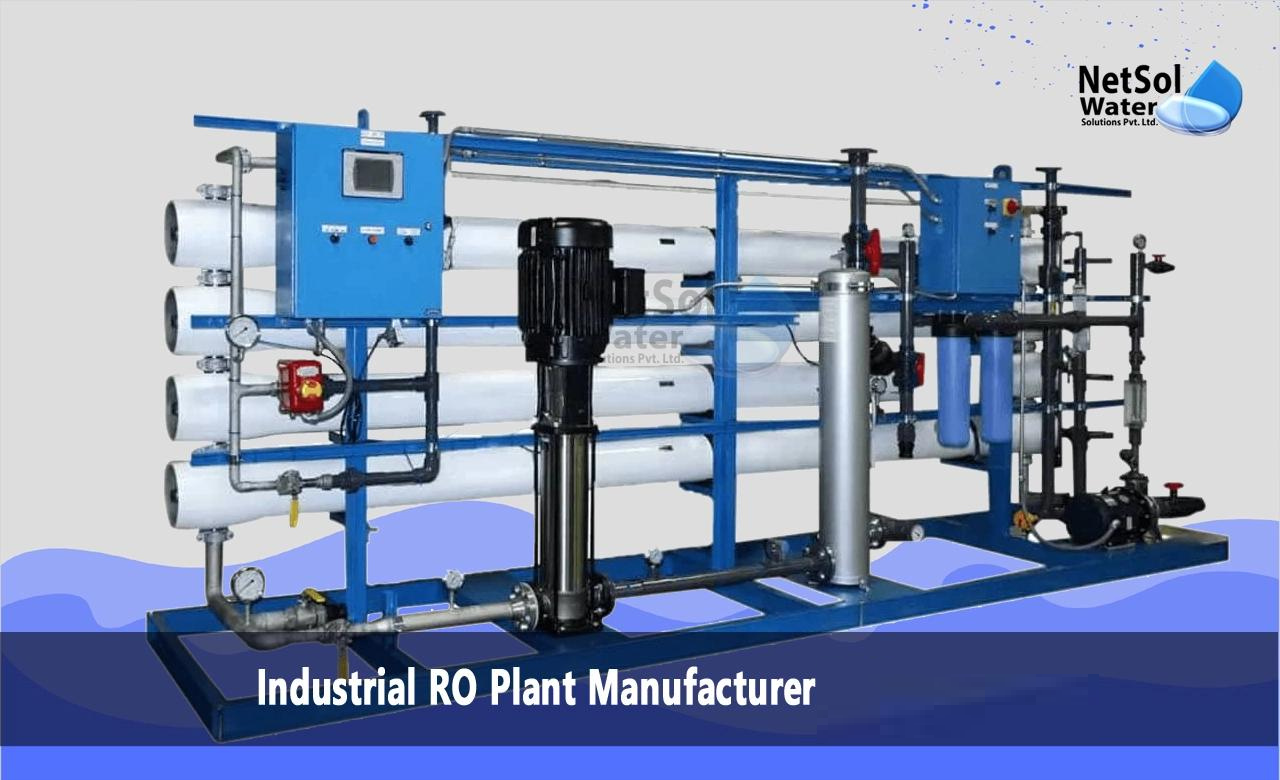
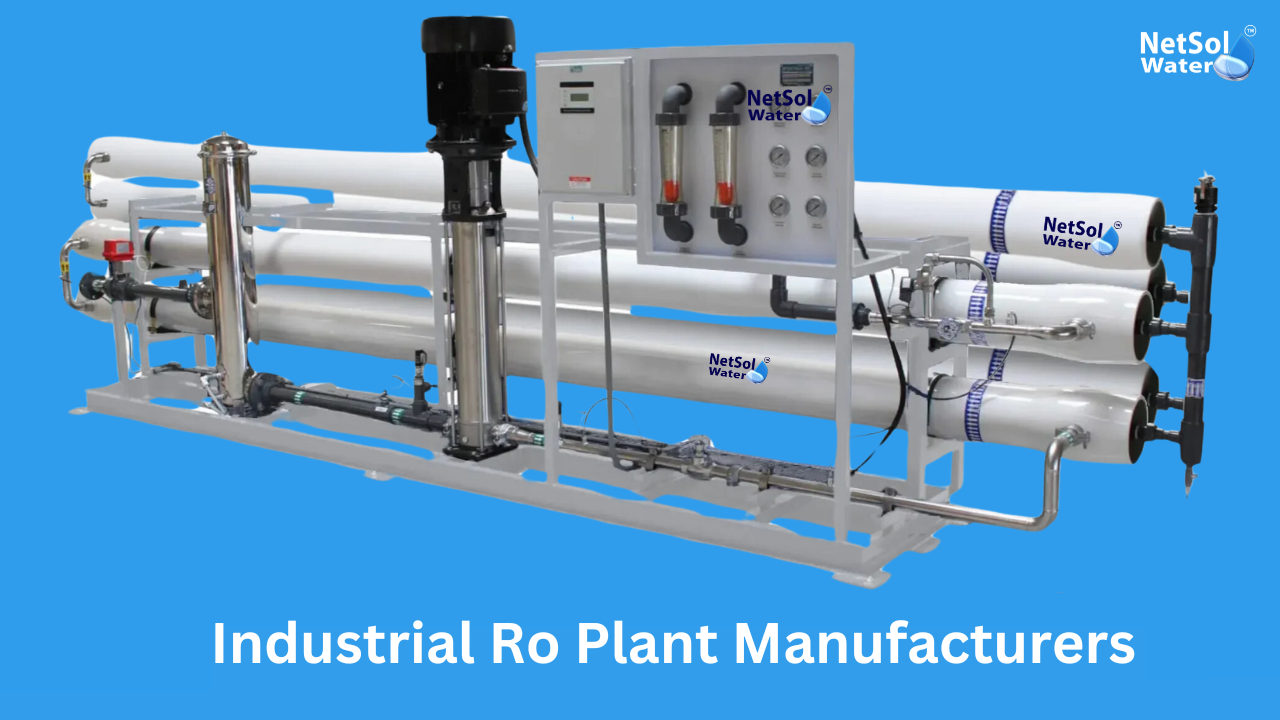
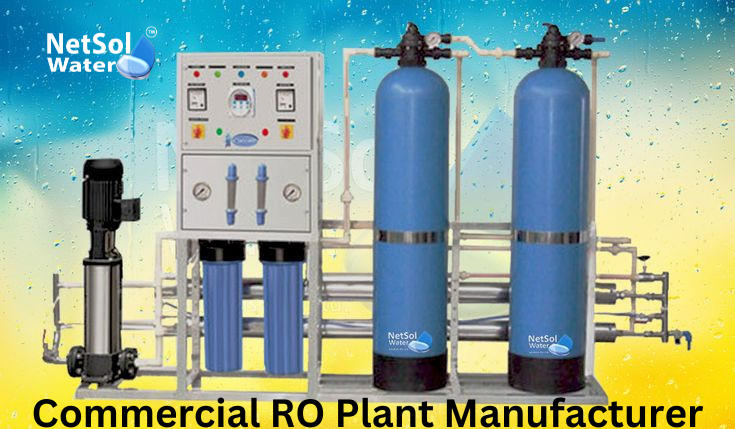
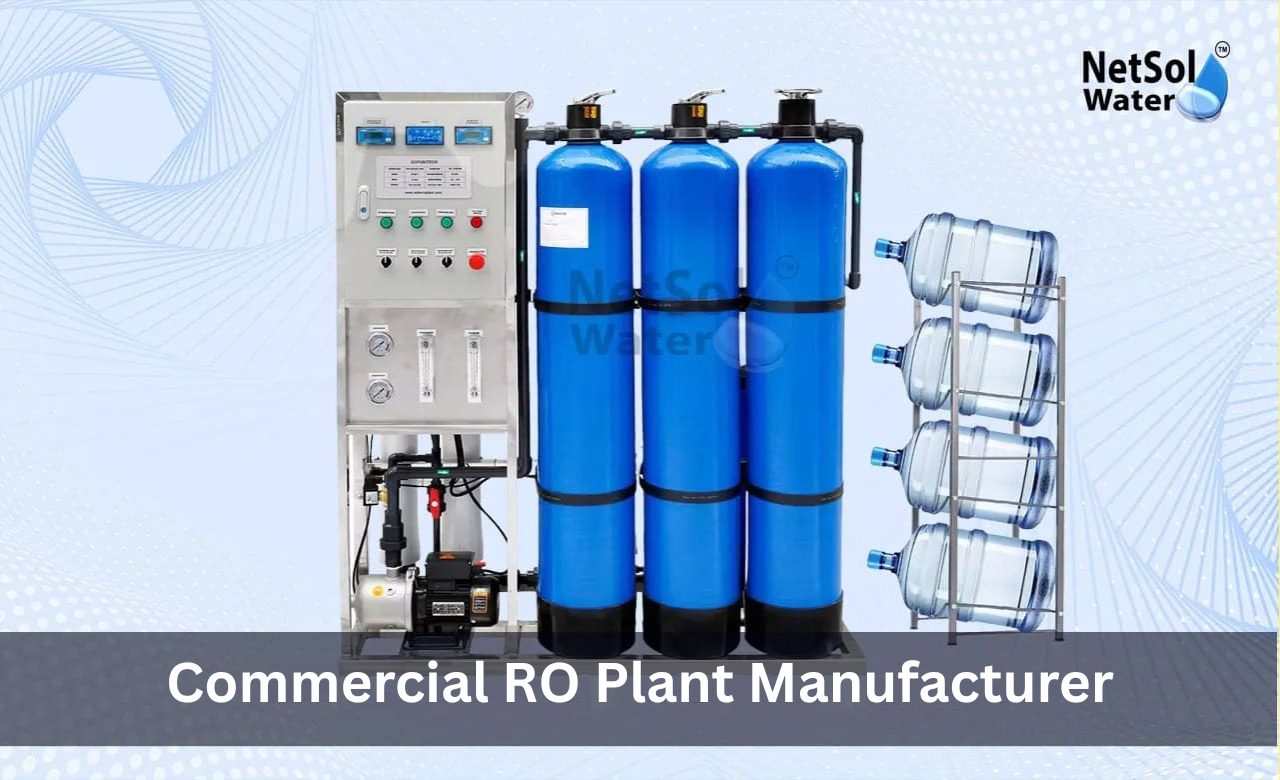
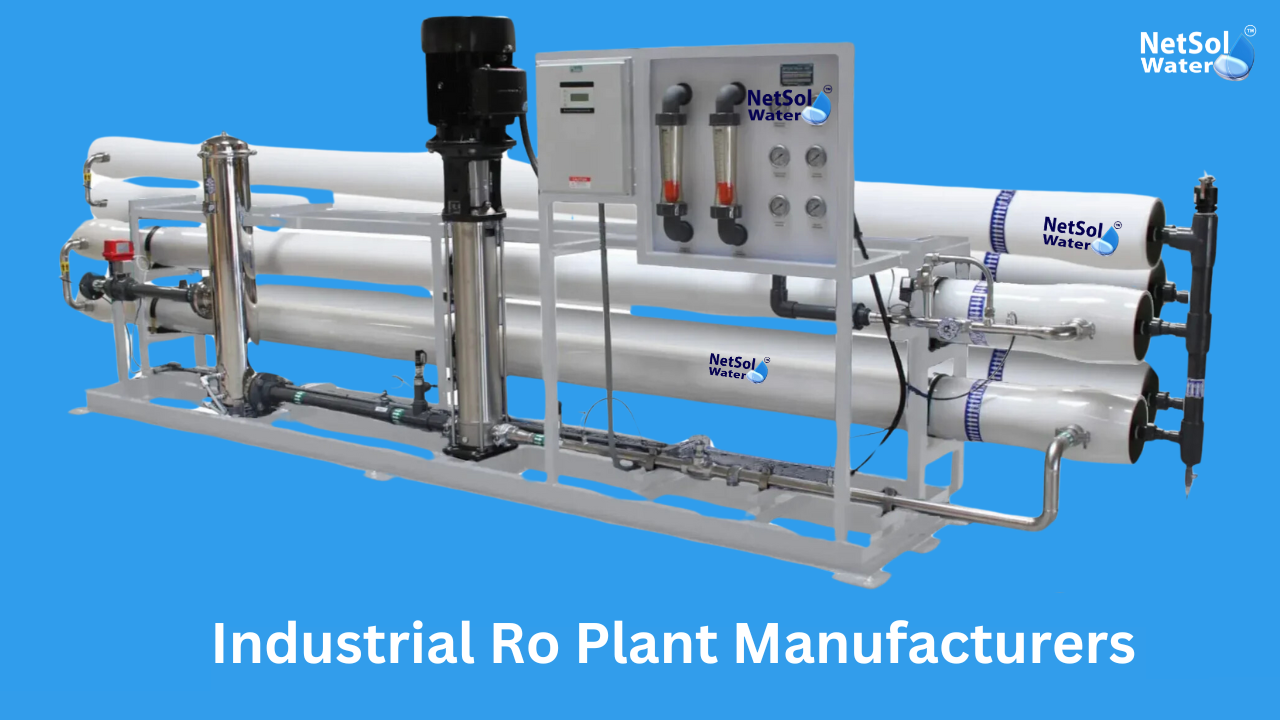
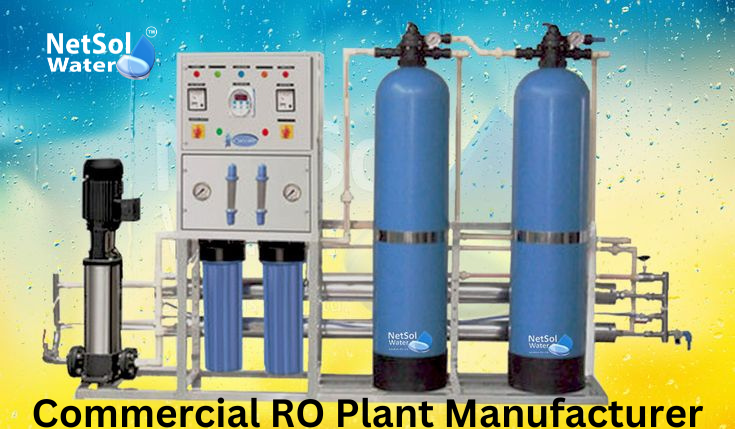
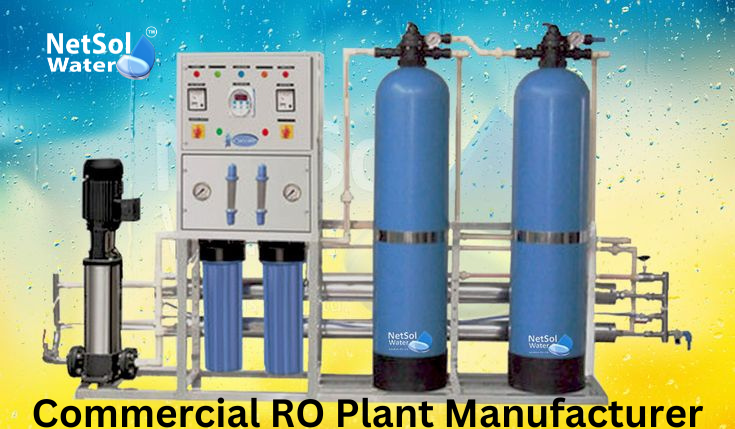
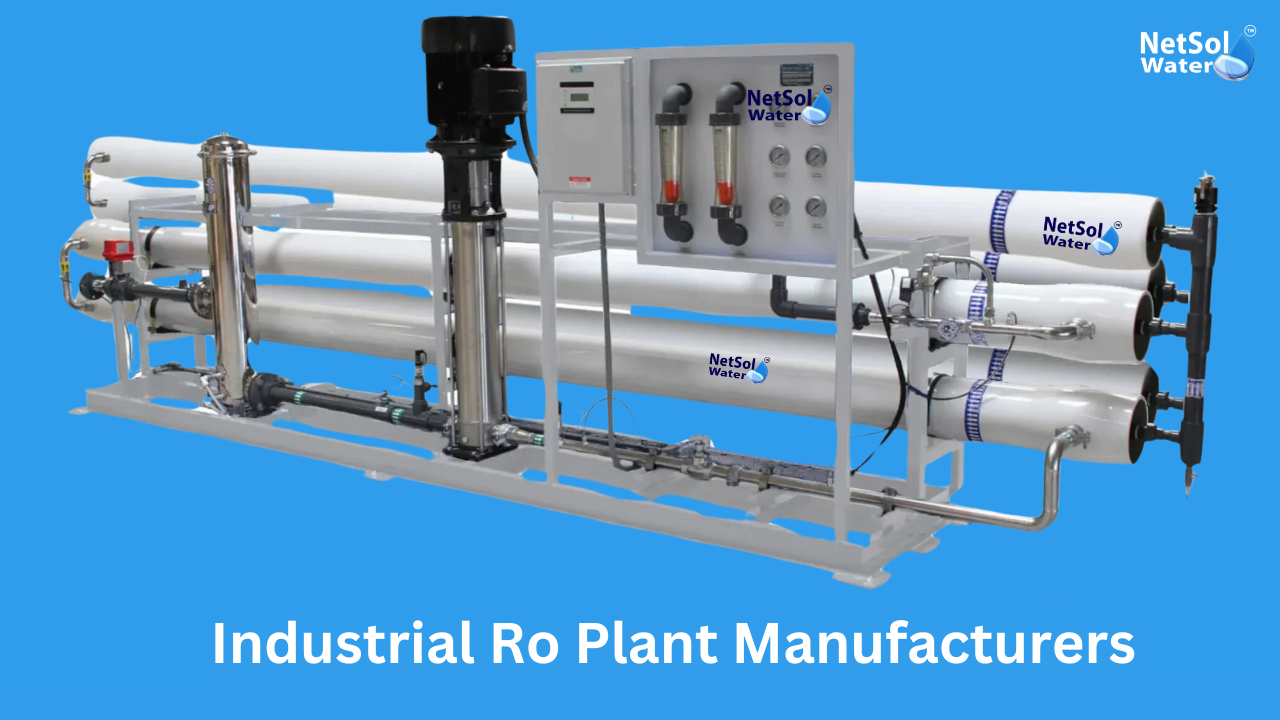
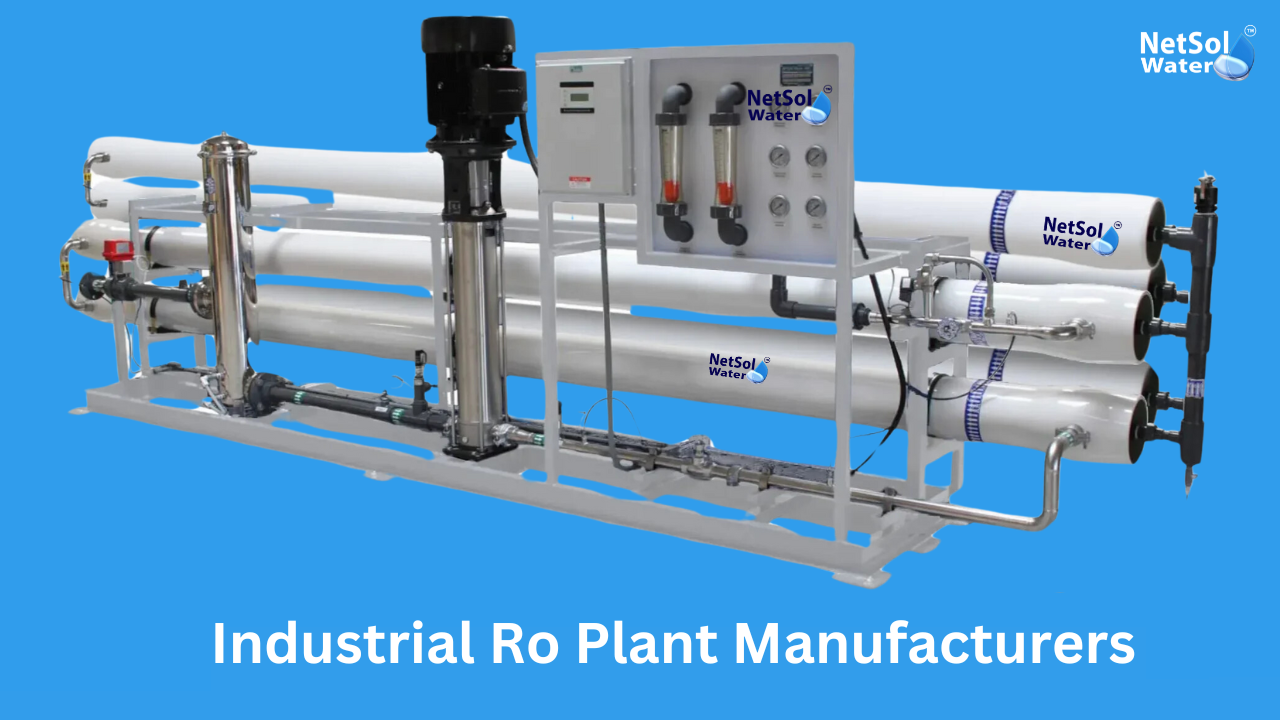
An industrial RO plant is a water treatment system that uses reverse osmosis technology to remove dissolved salts, impurities, and contaminants from water.
The process usually involves:
Pre-treatment to remove suspended particles and sediments
RO filtration to eliminate dissolved solids
Post-treatment to adjust water quality for specific applications
These plants are designed to handle large volumes of water and deliver consistent results.
Industries rely on these systems to maintain quality standards and ensure smooth operations.
What are High-Recovery RO Systems?
High-recovery RO systems are advanced water treatment solutions that maximize water output while minimizing waste.
1. How They Work
In traditional RO systems, a large portion of water is rejected during filtration. High-recovery systems reuse this reject water through multiple stages of filtration.
2. Technologies Used
Multi-stage RO membranes
Advanced filtration techniques
Smart monitoring systems
Energy-efficient components
3. Why It Matters
In a water-scarce region like Delhi, reducing water wastage is critical. High-recovery systems help industries use water more efficiently.
Benefits of High-Recovery RO Systems
High-recovery RO systems offer several advantages over traditional systems.
1. Reduced Water Wastage
These systems recover a higher percentage of water, which reduces overall waste.
2. Lower Operating Costs
Efficient water usage leads to reduced water and energy expenses.
3. Improved Sustainability
High-recovery systems support water conservation efforts.
4. Enhanced Performance
Advanced technology ensures consistent water quality.
5. Regulatory Compliance
Efficient systems help industries meet environmental standards.
These benefits make high-recovery RO systems a valuable investment.
Role of Industrial RO Plant Manufacturers in Delhi
An industrial RO plant manufacturer in Delhi plays a crucial role in delivering advanced water treatment solutions.
Companies like Netsol Water specialize in designing and manufacturing high-recovery RO systems tailored to industrial needs.
1. Customized Design
Manufacturers analyze raw water quality and industrial requirements before designing the system.
2. Advanced Technology
Modern systems include automation, PLC controls, and remote monitoring features.
3. Turnkey Solutions
From design to installation, manufacturers handle the entire process.
4. After-Sales Support
Regular maintenance ensures long-term performance.
This comprehensive approach allows industries to focus on production without worrying about water quality.
Why High-Recovery RO Systems are Ideal for Delhi Industries
Delhi’s industrial environment presents unique challenges. High-recovery systems address these challenges effectively.
1. Water Scarcity
Efficient systems reduce dependence on freshwater sources.
2. High Demand
Industries require large volumes of water.
3. Environmental Responsibility
Reducing wastewater helps protect the environment.
4. Cost Efficiency
Lower water consumption leads to significant savings.
Because of these advantages, high-recovery RO systems are becoming the preferred choice for industries.
Sustainability Benefits of High-Recovery RO Plants
Sustainability is a key priority for modern industries. High-recovery RO systems support sustainable practices in several ways.
1. Water Conservation
Higher recovery rates reduce freshwater usage.
2. Reduced Discharge
Less reject water means lower environmental impact.
3. Energy Efficiency
Modern systems consume less energy.
4. Support for ZLD
High-recovery systems can be integrated with Zero Liquid Discharge solutions.
These features help industries operate responsibly and reduce their environmental footprint.
Ensuring Compliance with Environmental Regulations
Compliance is essential for industrial operations. Regulatory authorities have strict norms for water usage and discharge.
Manufacturers help industries meet these requirements by:
Designing systems that meet regulatory standards
Providing monitoring and control systems
Offering documentation and reporting support
Conducting regular maintenance
Well-designed RO plants ensure that treated water meets required norms.
Industries Benefiting from High-Recovery RO Systems
High-recovery RO systems are widely used across various industries in Delhi:
Pharmaceutical manufacturing
Food and beverage processing
Textile production
Chemical industries
Automotive sector
Each of these industries benefits from efficient and reliable water treatment.
Key Features of Modern High-Recovery Industrial RO Systems
Modern industrial RO plants come with advanced features that improve performance.
High water recovery rates
Automated control systems
Energy-efficient operation
Compact design
Remote monitoring capabilities
Long membrane life
These features ensure consistent performance and reduced operational costs.
Choosing the Right Industrial RO Plant Manufacturer
Selecting the right industrial RO plant manufacturer is crucial for long-term success.
1. Experience
Choose a company with proven expertise.
2. Customization
Ensure the system meets your specific needs.
3. Technology
Look for advanced and efficient solutions.
4. Support
Reliable after-sales service is essential.
5. Reputation
Trusted providers like Netsol Water are known for delivering quality systems.
Future of Industrial RO Systems in Delhi
The future of industrial water treatment in Delhi is moving toward smarter and more efficient systems.
We can expect:
Increased adoption of high-recovery technologies
Integration with smart monitoring systems
Higher efficiency and lower waste
Greater focus on sustainability
As water demand continues to grow, these systems will play a critical role.
Conclusion
Water management is one of the biggest challenges for industries today. In a complex and growing region like Delhi, traditional systems are no longer sufficient.
Industrial RO plant manufacturers are addressing this challenge by offering high-recovery systems that reduce water wastage and improve efficiency. With the support of companies like Netsol Water and Sewage Treatment Plants, industries can ensure reliable water supply while supporting sustainability.
In the long run, investing in a high-recovery RO system is not just about purification. It is about conserving resources, reducing costs, and building a sustainable future.
Write a comment ...